


Emergency responders complete multi-agency training programme


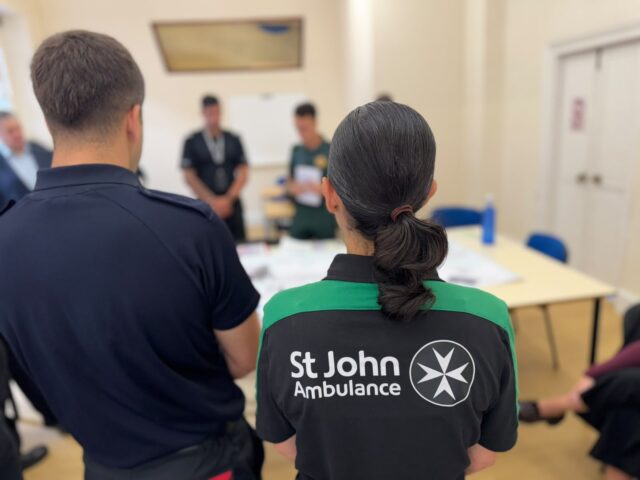
More than 80 training places across five specialist courses were filled by personnel from Gibraltar’s emergency services and partner agencies over the past two weeks as part of a programme focused on the response to major incidents.
The courses covered different levels of emergency response, from first responders and control rooms through to senior leaders working from the Strategic Coordination Centre.
They were delivered by UK Government Subject Matter Expert Carl Daniels and facilitated by the Office of Civil Contingencies.
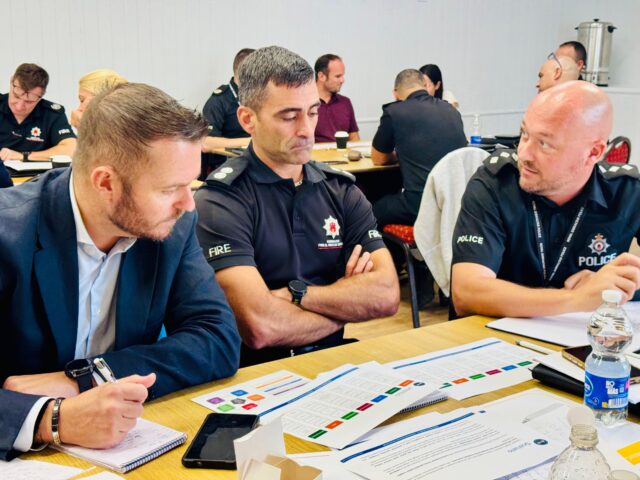
On September 29, 23 delegates attended Joint Emergency Services Interoperability Principles leadership training at the John Mackintosh Hall.
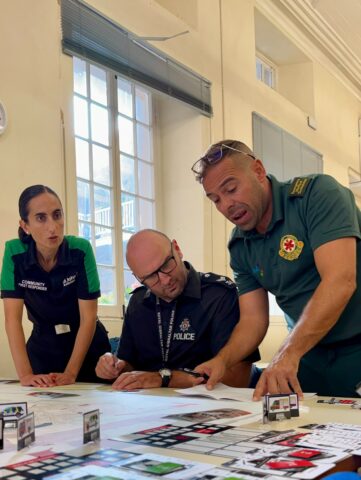
The course focused on control rooms, joint understanding of risk and the routine application of JESIP principles. Delegates also worked through an exercise using the M/ETHANE reporting format and Joint Decision Model.
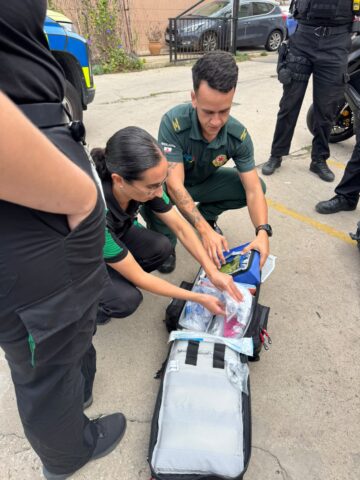
From September 30 to October 2, 12 delegates completed a three-day Medical Incident Command and Triage course at Bleak House.
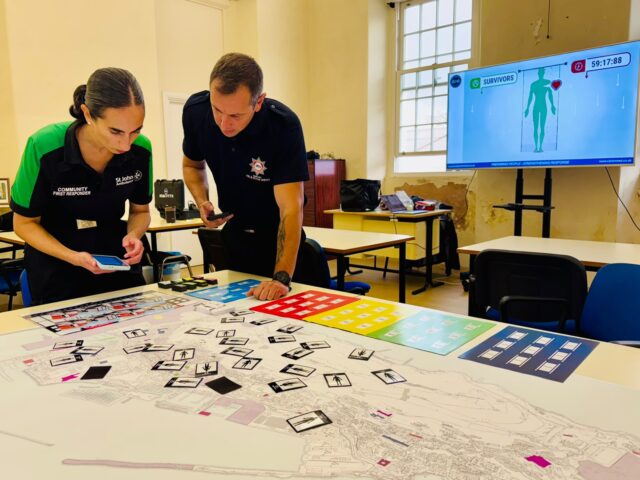
This covered command and control during medical incidents, major incident triage tools and clinical guidance for major incidents and mass casualty events.
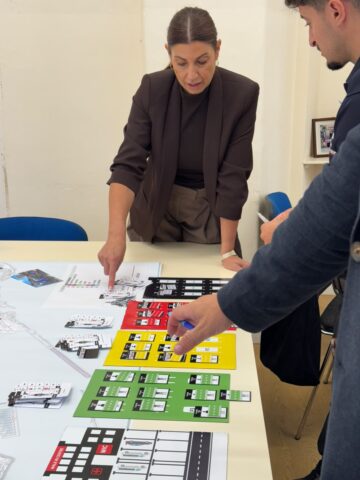
The course concluded with a mass casualty tabletop exercise.
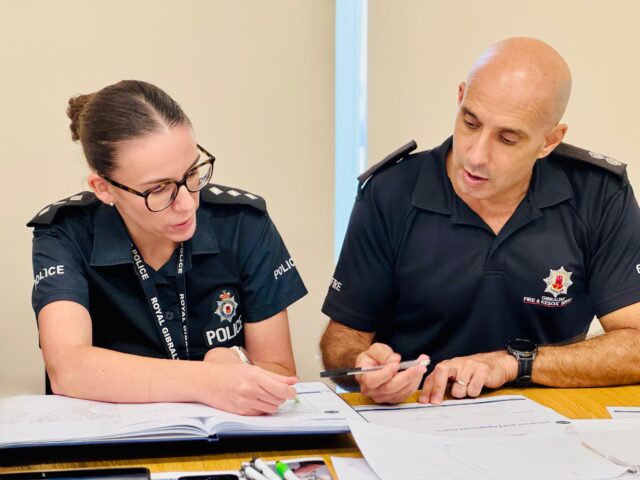
A further 10 delegates completed a two-day JESIP Train the Trainer course on October 5 and 6, qualifying them to deliver the interoperability leadership course locally.
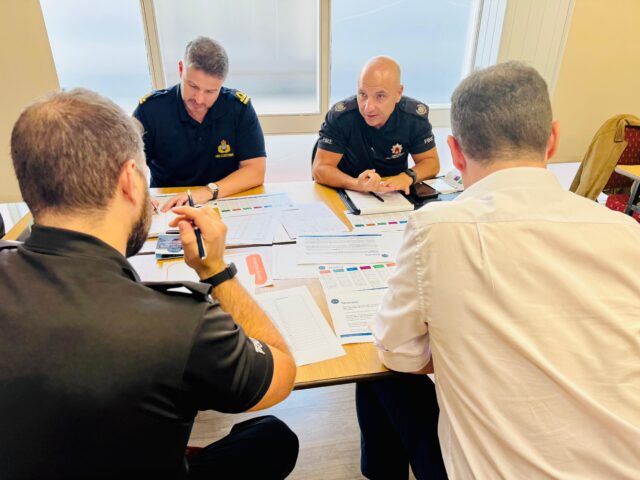
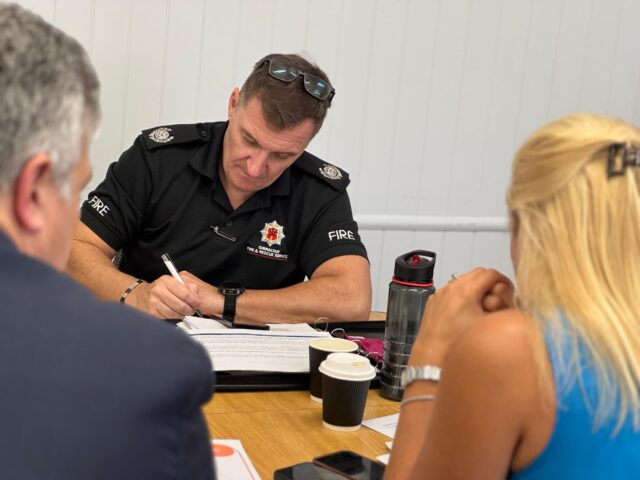
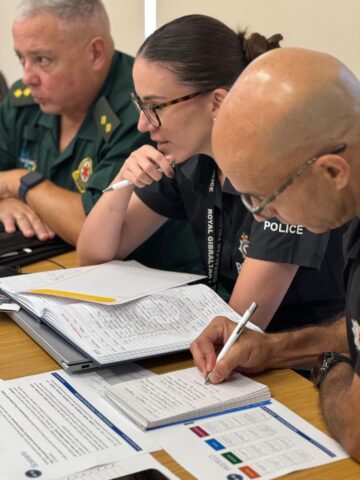
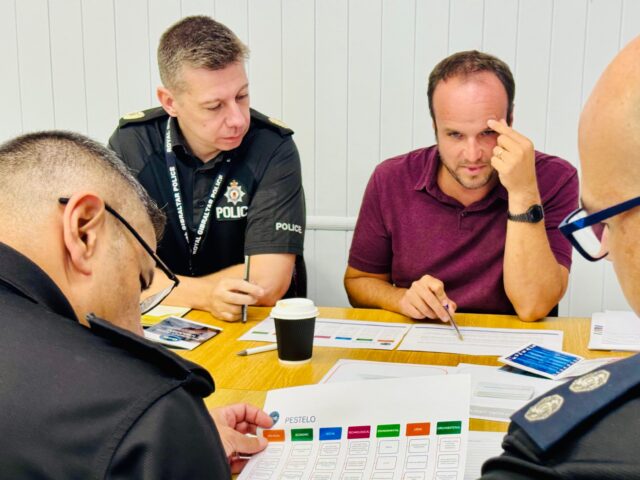
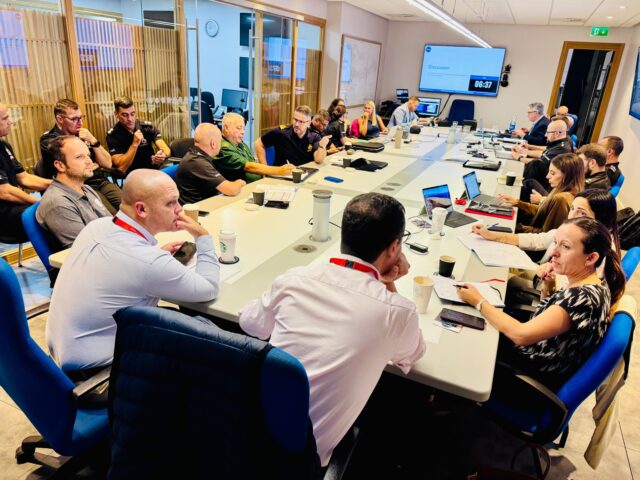
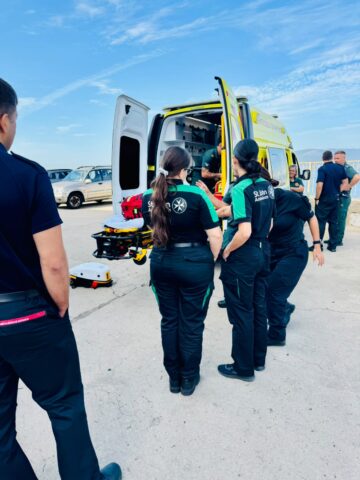
On October 7 and 8, 24 senior leaders took part in a Strategic Incident Management course.
The first day focused on agency responsibilities, strategic command, civil contingency planning, communication and the legal framework for civil emergencies.
The second day was held at the Strategic Coordination Centre at No. 6 Convent Place and included a tabletop exercise testing the response to a major incident in Gibraltar.
A one-day Decision Loggist course was also delivered to 12 delegates, focusing on the recording of commanders’ decisions, the information available to them, the options considered and the reasons behind their choices.
The training covered areas highlighted in recent UK public inquiries into major incidents, including multi-agency communication, shared situational awareness, joint decision-making and decision recording.
The Office of Civil Contingencies will continue with a programme of exercises before the end of the year, including a cyber security tabletop exercise, a live exercise at the LNG Terminal and tabletop and live exercises based on a marauding terrorist attack.
Further multi-agency training and exercises are also planned for 2027.
The Minister for Civil Contingencies, Leslie Bruzon, said: “The safety of our community
depends not only on the professionalism of each of our services, but on how well they work together
when it matters most. No single agency can manage a major incident alone. That is why this
Government is committed to making sure our emergency services and partner agencies train and
exercise together regularly, so that Gibraltar is always ready to respond to, and recover from, a major incident. I would like to thank Carl Daniels, the Office of Civil Contingencies and every delegate who gave their time over the last two weeks."
Civil Contingencies Coordinator Ivor Lopez said: “In the space of two weeks we have trained responders at every level – from the first on scene and those in our control rooms, to the senior leaders who would set strategy as members of the Strategic Coordinating Group. Just as importantly, by qualifying ten of our own people as JESIP trainers, we are building the capacity to keep this training going here in Gibraltar. Plans only work if people know them, have practised them and know each other before an emergency happens. Regular training and exercising is how we make sure of that."
Mr Daniels said: “Time and again, UK public inquiries– most recently into the Manchester Arena attack and the Grenfell Tower fire – have found that outcomes depend on how well responders communicate, share what they know, understand risk together and record their decisions. These are essential skills that must be practised to becomes econd nature rather than reserved for the rare occasion of a major incident. The commitment shown by every agency in Gibraltar over these two weeks has been outstanding, and the relationships built in these rooms will matter as much as anything taught on the courses."
Most Read
Rock’s digital security system sends warning beyond Gibraltar, Parliament told
Fri 16th Oct, 2026
Campo - Flooding affects low-lying areas of Algeciras after heavy rain
Sun 18th Oct, 2026
Gibraltarian AI student brings professional youth perspective to UNESCO forum
Mon 19th Oct, 2026
New group to plan healthcare jobs and placements for returning graduates
Tue 13th Oct, 2026

Today's Paper
19th October 2026
Read our latest newspaper by downloading our app from the link below.


