


Kimberley Rodriguez publishes deeply personal memoir, Hope Between Heartbeats


Kimberley Rodriguez has published a touching memoir about her battle with infertility, the heartbreak of multiple miscarriages, and her resilience. She opens up about her IVF treatments and the strain it placed on her body. Manar Ben Tahayekt spoke to Kimberley about the book.
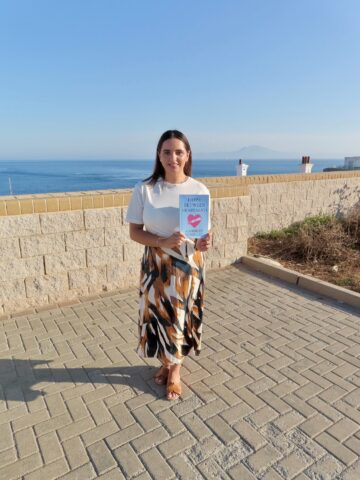
Your memoir is deeply personal, touching on IVF, pregnancy loss, and infertility. What gave you the courage to share such intimate parts of your journey with the world?
The courage came from the deep belief that no one should feel alone in this kind of pain. Infertility and loss can feel visible, like something you carry in silence, but I wanted to shine a light on that silence.
My hope was that by sharing my own story, I could give others comfort, connection, and courage on their journey.
You describe your story as not just a memoir but also a “mirror” for others walking a similar path. What do you hope readers who are experiencing invisible grief will see or feel when reading your words?
I hope they feel seen. I want them to find comfort in knowing that their emotions, grief, and struggles are valid.
I also want them to feel hope – that even in moments of despair, there can still be light, love, and healing.
The title, Hope Between Heartbeats, is powerful and poetic. Can you share the meaning behind it and how it connects to your journey?
The title represents the fragile yet powerful space where love, loss, and hope all coexist. Every heartbeat can feel like a reminder of what’s missing, but also of what’s possible.
‘Hope Between Heartbeats’ reflects that balance – the pause between despair and resilience, the moments where hope still quietly lives.
Writing about loss and longing can be both healing and painful. What was the most challenging part of writing this memoir, and what moments brought you comfort or clarity?
The hardest part was relieving the raw moments of loss, putting words to emotions I had once tried to bury.
But the act of writing also gave me comfort – it allowed me to release emotions I had carried silently for too long. The clarity came when I realised my words could help others feel less alone.
For those who love someone going through infertility or pregnancy loss, what would you want them to take away from your story about how to offer support and understanding?
Sometimes the most powerful support is simply being there – listening without judgement, offering love without needing to fix anything.
I would want people to understand that grief doesn’t follow a timeline, and that small gestures of kindness and presence can make an enormous difference.
When you first began writing Hope Between Heartbeats, did you envision it as a memoir, or did the form take shape as you wrote?
At first, I didn’t set out to write a memoir – it was simply a collection of personal writings, reflections, and emotions I needed to release.
Over time, as the words took shape, I realized it was becoming something more – a story that needed to be shared in full.
How did you balance raw emotional honesty with the structure and flow that a memoir requires?
It was important for me to stay true to my emotions while also creating a narrative that readers could follow.
I allowed myself to write freely at first, without worrying about structure. Later, I carefully shaped those raw entries into a story that flowed but kept the honesty intact.
Did you keep a journal or write during the moments of your journey, or did you return to the experiences later with reflection?
I did a little of both. Some parts were written during the journey, in the heat of the emotions. Others I returned to later, with reflection and distance, which helped me write with both clarity and compassion.
Many memoirists struggle with how much to reveal. How did you decide what to include and what to leave private?
I decided to include the moments that I felt could truly help others – that would resonate with someone walking a similar path. At that same time, I protected certain details that felt too private or that belonged only to me and my partner. It was about finding a balance between honesty and self-preservation.
Your writing carries both vulnerability and resilience. What techniques or practices helped you stay authentic on the page?
I reminded myself often why I was writing – not to impress, but to connect. I wrote as though I was speaking directly to someone who needed these words.
That helped me stay authentic, vulnerable, and grounded in my truth.
Were there authors or books that inspired you as you wrote, either in style or in courage to tell your truth?
Yes, I drew inspiration from authors who weren’t afraid to lay their hearts bare.
Memoirs like those from women who have walked through grief or resilience encouraged me. Their courage gave me permission to embrace my own voice and truth.
I also found so much inspiration from people online, especially on TikTok, who bravely shared their own journeys with infertility and loss.
Their openness reminded me that there is strength in vulnerability and community ins hared stories.
Memoir often requires reliving painful memories. How did you protect your own emotional well-being while revisiting those chapters of your life?
Since nobody knew I was writing, I carried the process quietly and privately.
Protecting my well-being meant pacing myself – I allowed space to step back when emotions became too heavy and returned only when I felt ready.
Writing became a form of release, but I balanced it by making time for self-care and gentleness with myself.
Honouring my limits was the way I could keep going without losing myself in the pain.


