


Govt and Opposition clash on next steps after Inquiry findings


The McGrail Inquiry report debate on Tuesday exposed a clear divide in Parliament between ministers urging Gibraltar to draw a line under a bruising episode through reform, while the Opposition insisted the findings demanded political accountability at the very top.
In a series of interventions, Government ministers framed the inquiry as an unprecedented exercise in transparency, arguing it was convened “by choice”, published in full, and should now be treated as “a mandate for reform” rather than “a political weapon”, with promised changes including a law on conflicts of interest alongside police governance measures.
Opposition MPs countered that the report’s central message was not process but responsibility, repeatedly returning to conflicts of interest and the inquiry’s criticism of the Chief Minister’s conduct, which they described as “powerful and grim” and beyond explanation or “reframing”.
That clash extended to the politics of what comes next.
Ministers rejected resignation calls as “self-serving” attempts to undo an election result and warned against “sensationalist” rhetoric, while the GSD argued the findings “stand” unless overturned, called for consequences in office and pressed for either a change of leadership or a return to the electorate.
GARCIA
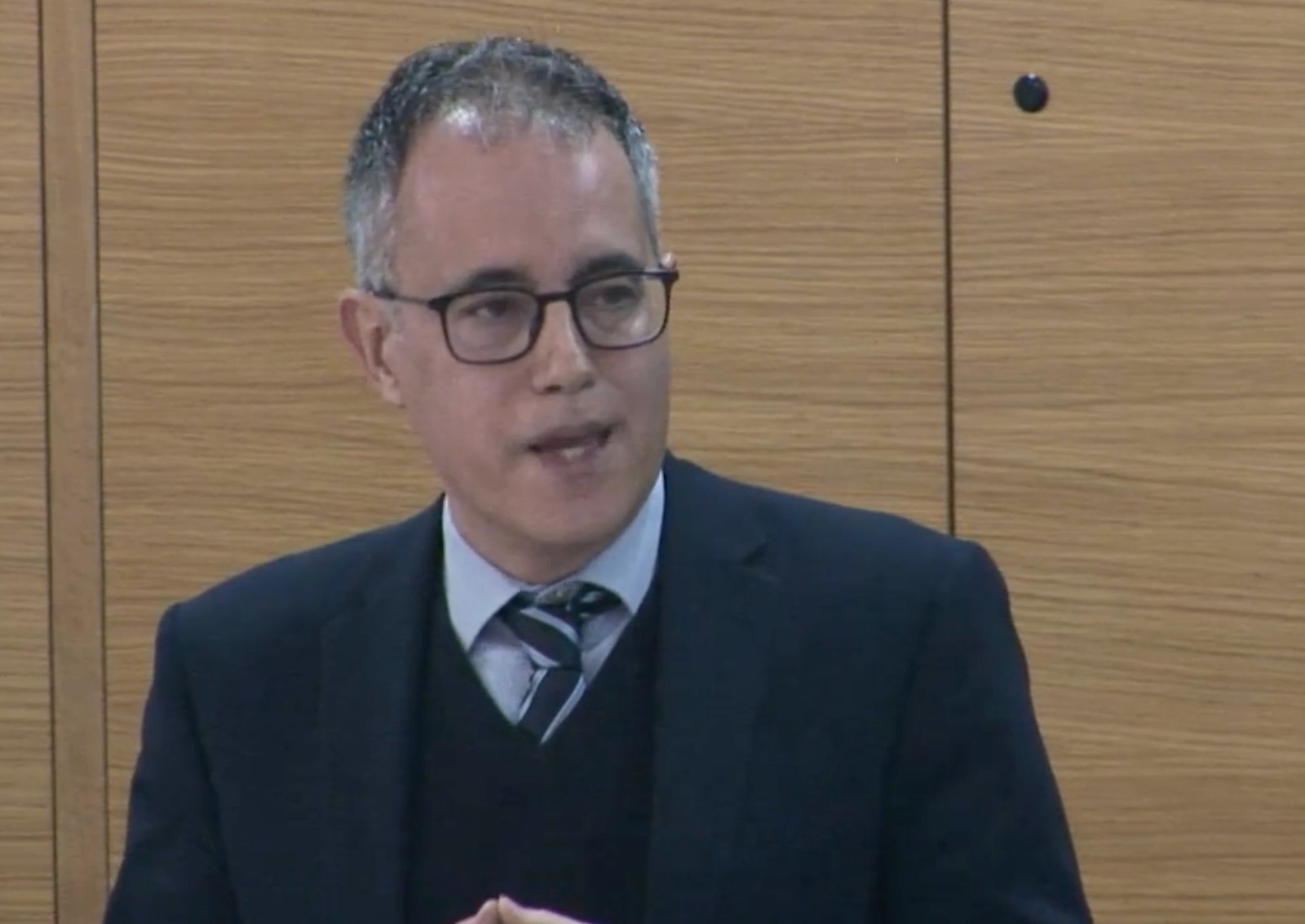
The Deputy Chief Minister, Dr Joseph Garcia, told Parliament the McGrail Inquiry was convened by the Gibraltar Government “by choice” and represented “the greatest exercise in transparency and accountability which Gibraltar has ever seen”, arguing that a government “which shied away from scrutiny would not have called a public inquiry in the first place”.
He urged MPs to focus on learning lessons and implementing reforms recommended by the Inquiry chairman, adding the debate could help “lower the temperature” on an issue that had become “far too bitter”.
Dr Garcia repeatedly stressed that an inquiry is not a court of law, saying it is inquisitorial, does not determine legal liability and may draw conclusions on a lower threshold than a trial.
He said this could help explain why different people were arriving at different views on the report, adding that the Government respected the chairman’s work while disagreeing some of his conclusions.
Dr Garcia said Opposition criticism that the Inquiries Act 2024 would “stifle” the Inquiry had proved unfounded.
On the political fallout, Dr Garcia said calls for resignation were “self-serving”, arguing that a report could not “retrospectively nullify” a mandate conferred at the ballot box.
He also addressed the £8m cost of the Inquiry, saying inquiries are expensive and suggesting the Opposition was now seeking to “cloud the issue” by raising doubts about who should pay for any legal challenge to findings, linking that debate to public frustration about the overall cost.
Dr Garcia said the Government had accepted all of Sir Peter Openshaw’s recommendations, highlighting plans for a bespoke conflicts of interest law and describing the reform programme as an opportunity for institutions to emerge “more robust”.
“This Inquiry was not easy,” he said.
“It was costly, it was uncomfortable, and it has been the subject of controversy in Gibraltar.”
“But I think it has also strengthened Gibraltar at the same time.”
“And the report, while challenging in parts, presents us all with an opportunity, an opportunity to close this chapter with a positive legacy.”
“Because the truth is that our institutions, our procedures and our practices will emerge more robust and as a result.”
Dr Garcia said the report should not be viewed as “a political weapon”, but rather “a mandate for reform” stemming from “the most comprehensive exercise in transparency which Gibraltar has ever seen”.
CLINTON
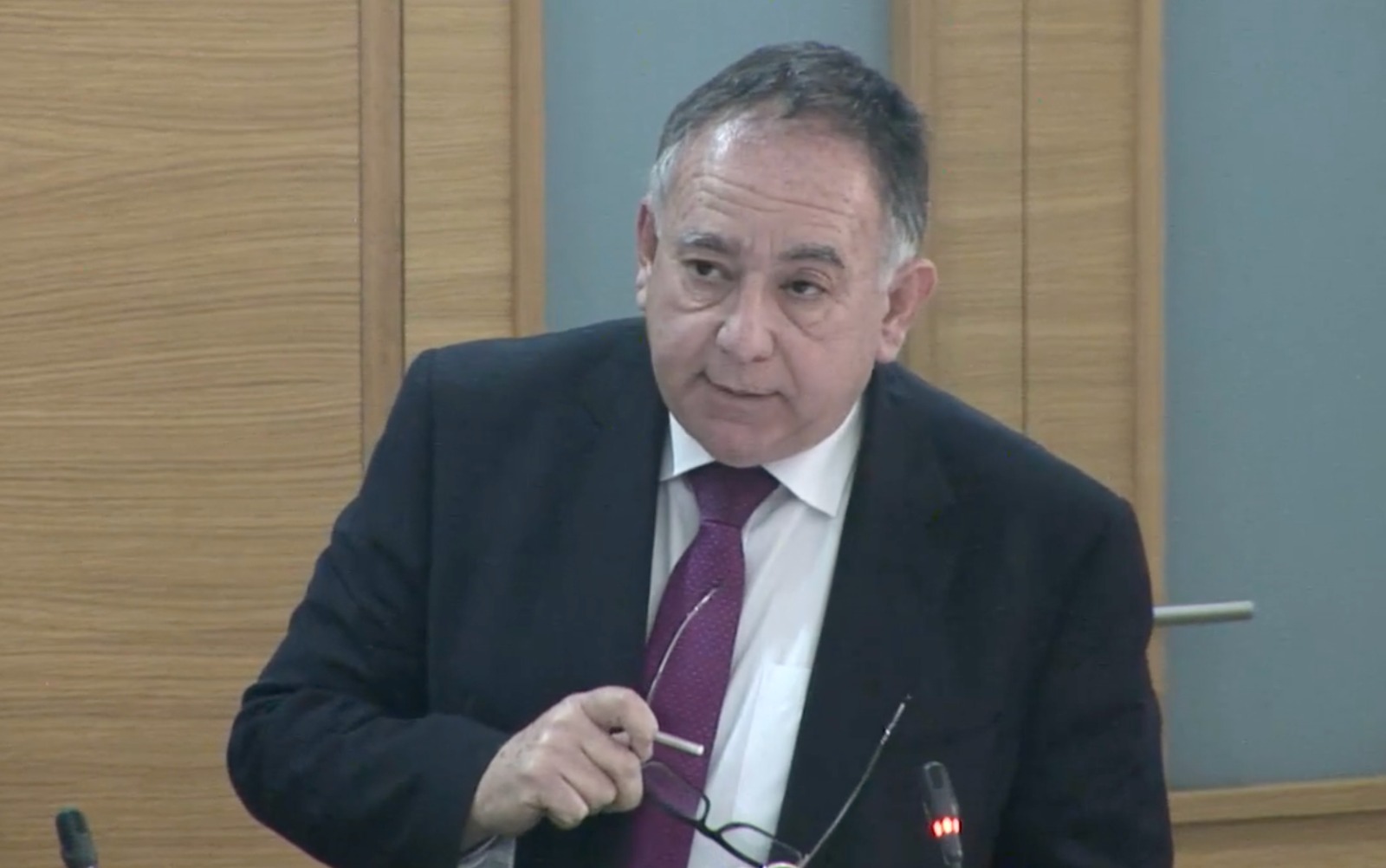
GSD MP Roy Clinton told Parliament that the McGrail Inquiry report could be summed up in three words: “Conflicts of interest”.
He argued that the central failure identified by Sir Peter Openshaw was an inability to recognise and properly manage conflicts at the highest level of government.
Mr Clinton said MPs should not lose sight of what he described as the real purpose of the Inquiry, namely to examine the reasons and circumstances that led to former police Commissioner Ian McGrail taking early retirement in June 2020.
He said the recommendations made by Sir Peter Openshaw were secondary to the findings answering that question.
Mr Clinton cited the report’s summary of six cumulative factors behind Mr McGrail’s retirement, adding the conclusions pointed to a Commissioner who had been “forced out” and dismissing claims from the Chief Minister on issues such as “police corruption” as “red herrings” unrelated to the Inquiry’s terms of reference.
He argued the Chief Minister had failed to manage a conflict of interest and said this went to the heart of the report’s criticism.
Mr Clinton focused too on the Ministerial Code, noting it states that ministers must ensure no conflict arises, or appears to arise, between public duties and private interests.
He said the difficulty was enforcement, describing the code as voluntary and pointing out that the Chief Minister is ultimately the judge of whether ministers have breached it.
Mr Clinton said this left unanswered the question of who holds a Chief Minister to account and argued that “accountability and transparency” must be matched by responsibility and consequences.
He said it was a “sad state of affairs” that the Inquiry report concluded the existing code had “proved ineffective” and warned that Gibraltar was now being pushed towards legislating conflicts of interest because voluntary standards had not been applied.
ARIAS VASQUEZ
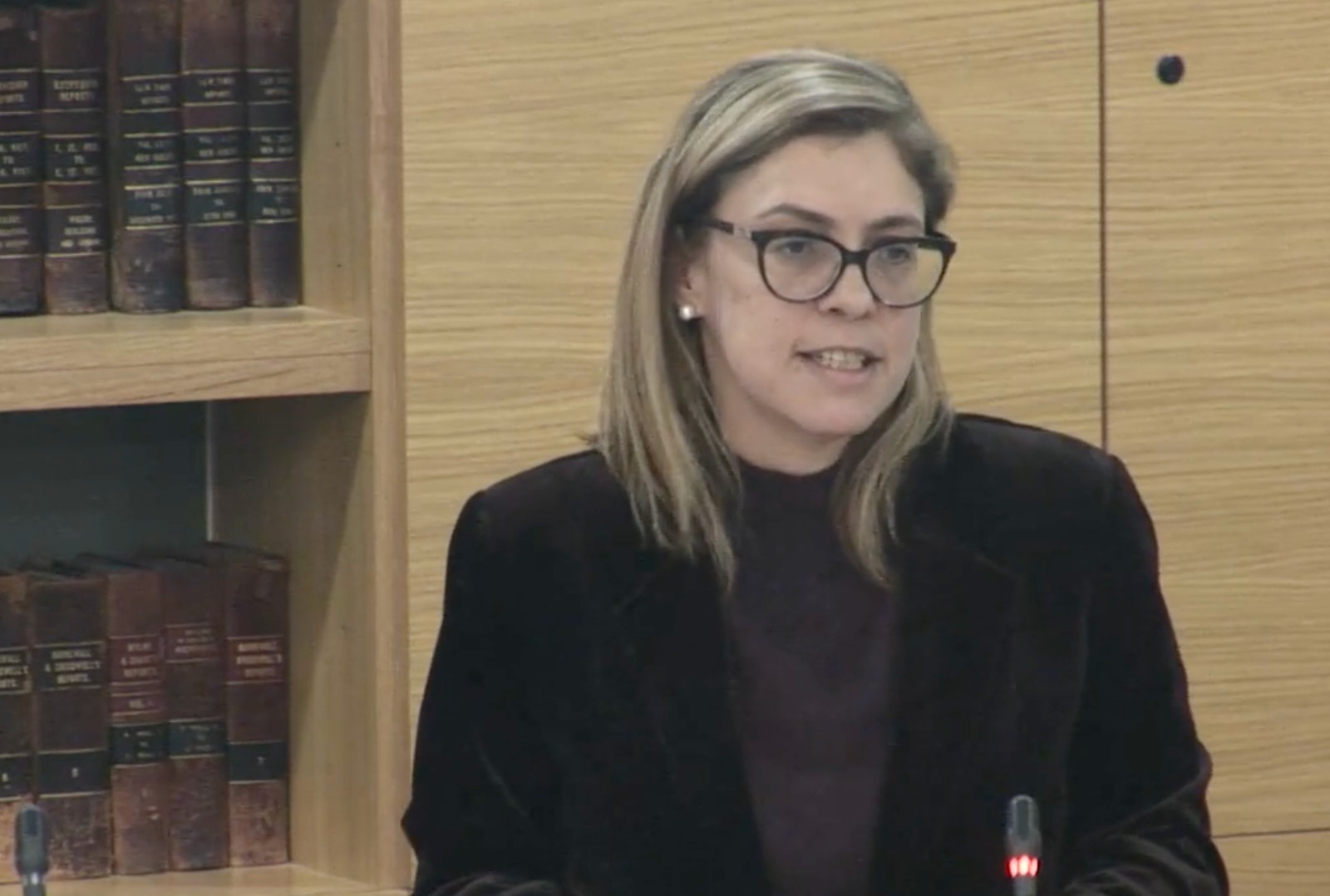
The Minister for Health, Gemma Arias Vasquez, told Parliament there had been “noise” ahead of publication and repeated attempts to “scandalise the government's actions”, adding the full report was ultimately published “warts and all” after “an exercise in transparency such as Gibraltar has never seen”.
She said the Government accepted the report contained criticisms and noted that the Chief Minister had acknowledged this, even while disputing some of the findings.
Ms Arias Vasquez said that, with hindsight, there were “things which could have been done better”, adding the purpose of an inquiry was to review actions and learn lessons through the implementation of recommendations.
Ms Arias Vasquez argued that the Opposition’s calls for resignation were politically motivated.
She said the Opposition was attempting to change the outcome of a democratic election and described reliance on “third parties” as “a sign indeed of a weak Opposition”, characterising the resignation calls as “self-serving opportunism.”
She also sought to place the debate in the context of what she called the Government’s wider record, pointing to the period when the events under scrutiny were taking place and Gibraltar was faced with the impact of the Covid pandemic.
“The Covid BEAT days where this Government kept people paid and in employment through some of the hardest days that Gibraltar has seen,” she said.
Ms Arias Vasquez rejected any suggestion the Government was “belligerently fighting the recommendations”, saying ministers had publicly committed to implementing them in full, including a pledge to deliver within 100 days.
She said ministers would continue “the job that we were democratically elected to do”.
LADISLAUS
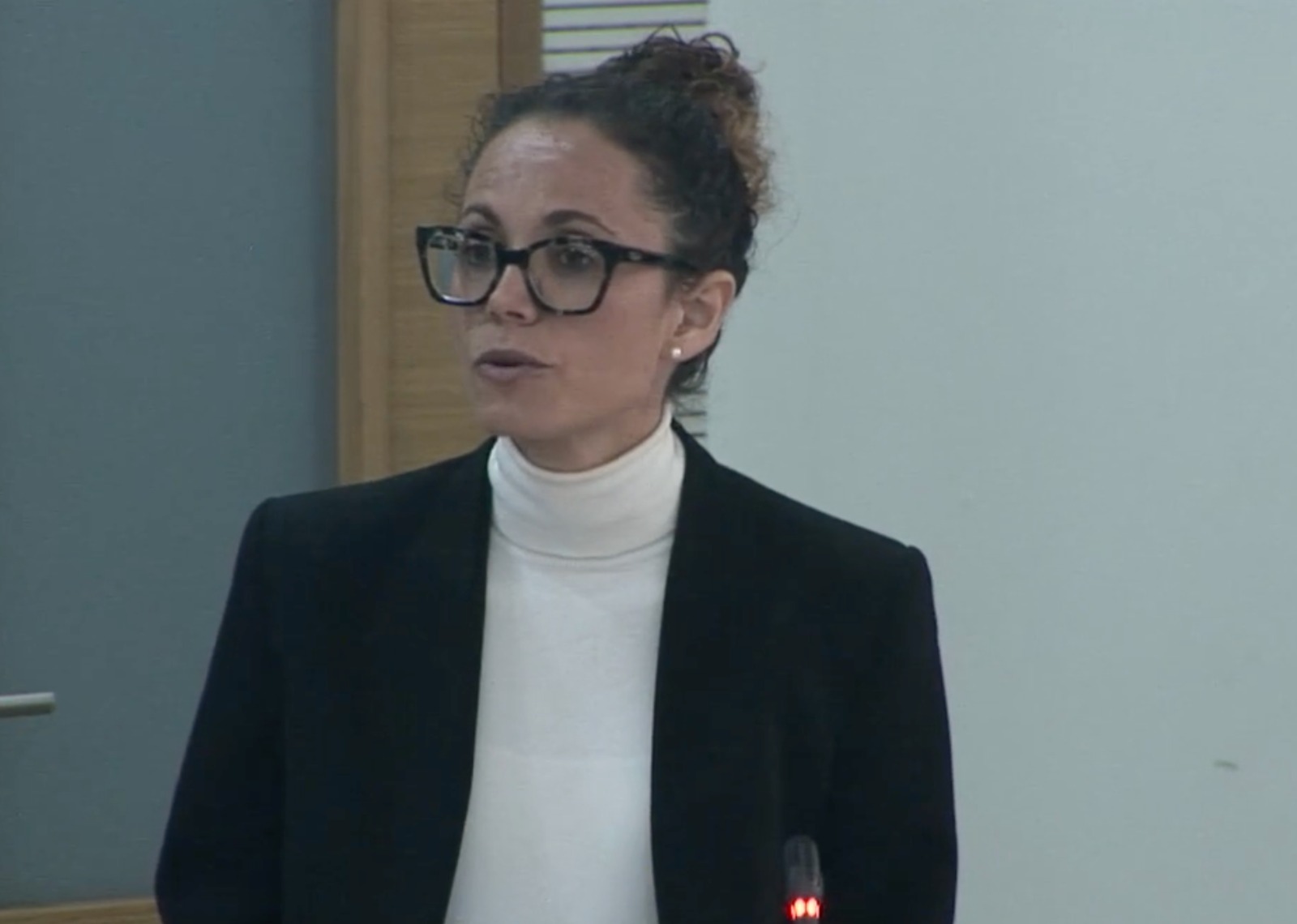
GSD MP Joelle Ladislaus told Parliament the Government had sought to “twist the narrative” and “dilute the findings” of the report by being selective about what it highlighted from Sir Peter Openshaw’s conclusions.
Ms Ladislaus said that even allowing for what she described as reasonable interruptions, including the Chief Minister’s recovery from a medical emergency and the inquest into the fatal collision at sea, there had still been 29 days between the Government receiving the report and making it public.
She said the report had been released to the media and the Governor during that period and argued the same should have been done for the Opposition.
Ms Ladislaus said the findings on the Chief Minister’s conduct were “powerful and grim”, including that his actions had “crossed the line” and were “highly inappropriate”.
She referred to findings that described “sinister conduct”, “misleading” dealings with the Gibraltar Police Authority and “grossly improper” attempts to interfere in an active criminal investigation.
Ms Ladislaus criticised the Chief Minister’s emphasis on the number of recommendations made for the RGP in the report, arguing this was being used to shift blame.
She said many of the recommendations had in fact been advanced by the RGP itself in its closing submissions and were not confined to the force’s internal workings.
In a detailed section of her speech, Ms Ladislaus pointed to recommendations on the Police Act and procedures around loss of confidence in a Commissioner, as well as safeguards for sensitive warrant applications, independent legal advice and representation in complex cases, and guidance for courts.
She argued these measures were designed to protect due process and police independence, including where government resourcing and conflicts could affect the RGP’s operational effectiveness.
Ms Ladislaus said “chronic under-resourcing” of the RGP, including in police IT, formed part of the wider context the inquiry had exposed.
In common with other GSD MPs, she argued Government ministers who defended or remained silent about the findings should “shoulder the blame” alongside the Chief Minister.
She concluded that “no amount of administrative reform can compensate” for a failure to accept responsibility, adding “no reorganisation can substitute for accountability” and warning that “no reframing of the narrative” could alter the Inquiry’s findings about the Chief Minister.
FEETHAM
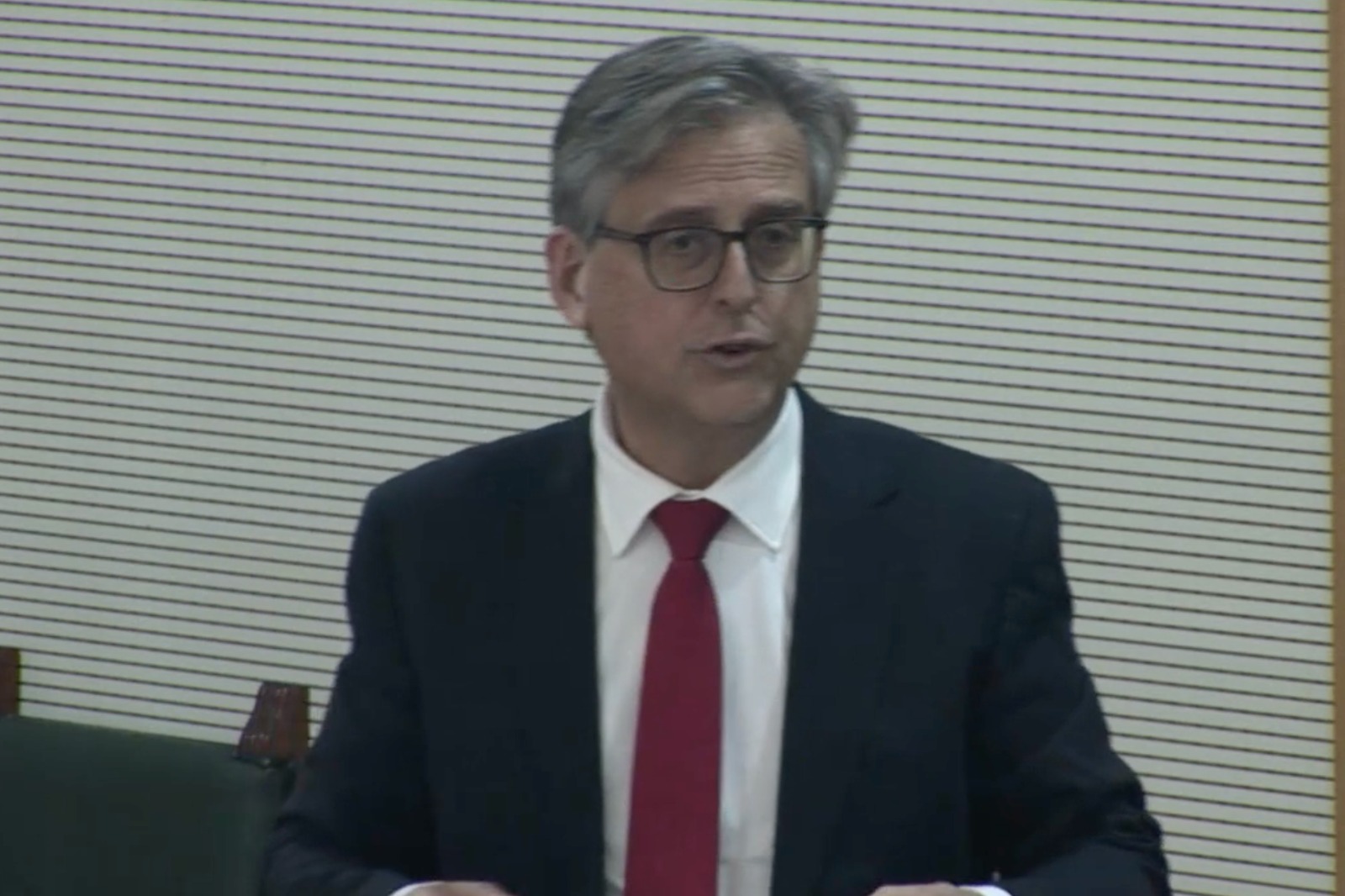
The Minister for Justice, Nigel Feetham, told Parliament that ministers “stand behind the Chief Minister”, saying Cabinet support for Fabian Picardo was unanimous and that the Opposition did not need to wait for its no confidence motion to test that.
Mr Feetham said his address was not a call for political unity, arguing Gibraltar’s parliamentary system depends on an Opposition scrutinising government.
But he criticised what he described as “sensationalist politics” and claimed the GSD was trying to “dehumanise and demonise” the Chief Minister for political gain.
He accused the Opposition of contradicting itself on whether aspects of the report might amount to criminal conduct.
Mr Feetham said the Opposition had warned against pressing the police while also asserting the Chief Minister’s conduct could “potentially be a criminal offence” and should be investigated.
He argued that, if made by the Government, similar remarks would be criticised as undermining the operational independence of the RGP.
Mr Feetham said Mr Picardo had apologised if people felt his actions did not meet expected standards and highlighted too the Chief Minister’s public acknowledgement that he was “human” and had made mistakes in 2020.
Referring to the UK increase in gaming tax, he said Gibraltar’s economy was “fragile” and argued the Opposition’s rhetoric risked harming Gibraltar at a sensitive time, including ahead of an expected treaty announcement.
BOSSINO
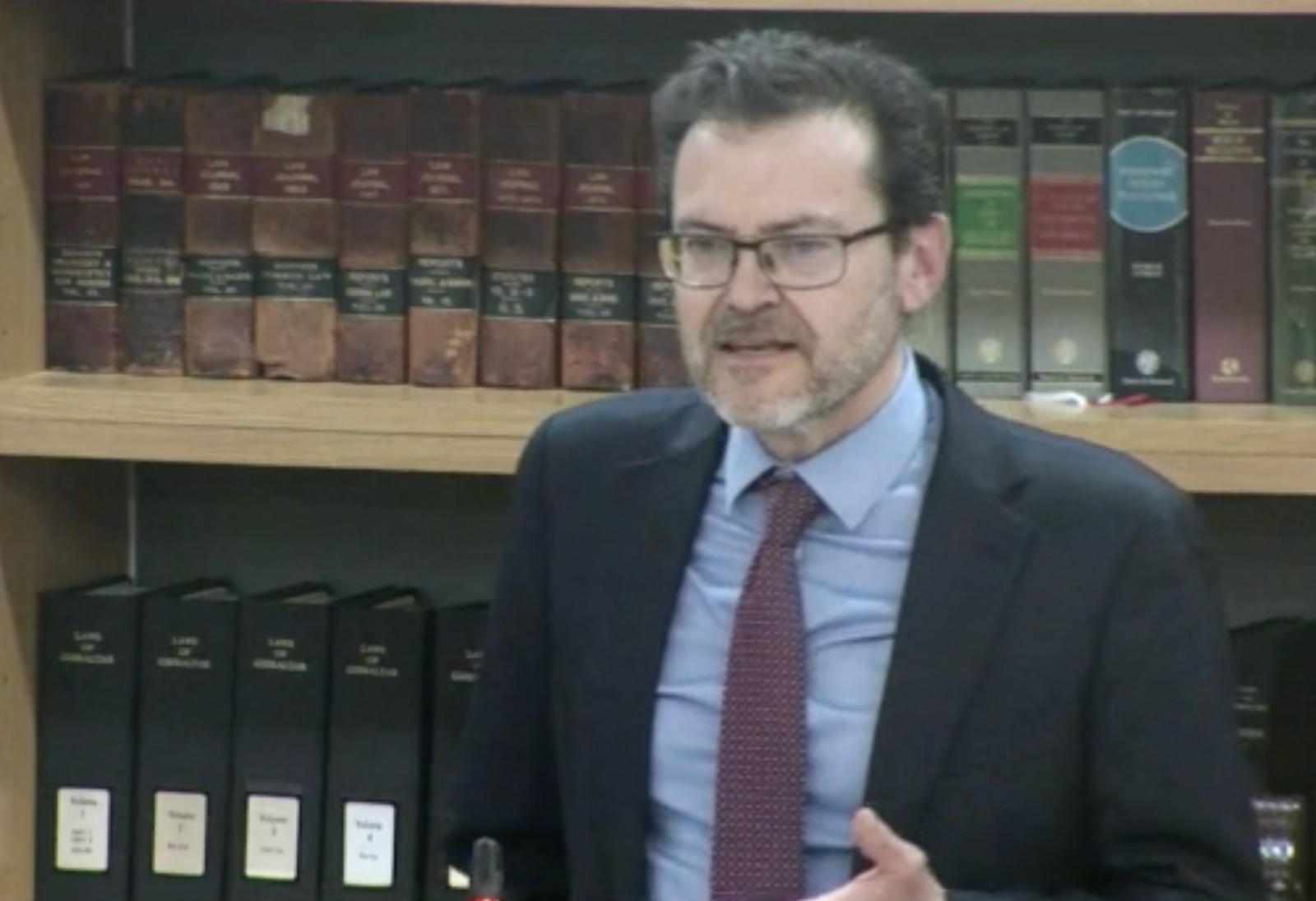
In his intervention, GSD MP Damon Bossino focused on the Chief Minister’s comments about a potential legal challenge, describing this as an attempt at “buying time” and adding that the report’s findings “stand” unless and until overturned.
Mr Bossino said any legal action mounted by Mr Picardo should be paid for personally, not by the taxpayer.
He also accused Mr Picardo of shifting from “vindication” to “vindictiveness” in his attacks on the former leadership of the RGP, criticising the Chief Minister’s claims of police “corruption”.
In wider remarks about political accountability, Mr Bossino said Gibraltar was a parliamentary democracy where “things happen between one election and the other”, and that it should be possible for a Government minister to “do the right thing” and trigger a general election so that “the people decide”.
He said the Inquiry report’s focus on conflicts of interest and abuse of power went to the “quality of our democracy”, insisting ministers were “clinging” to office rather than confronting the implications of the inquiry’s findings.
SIR JOE
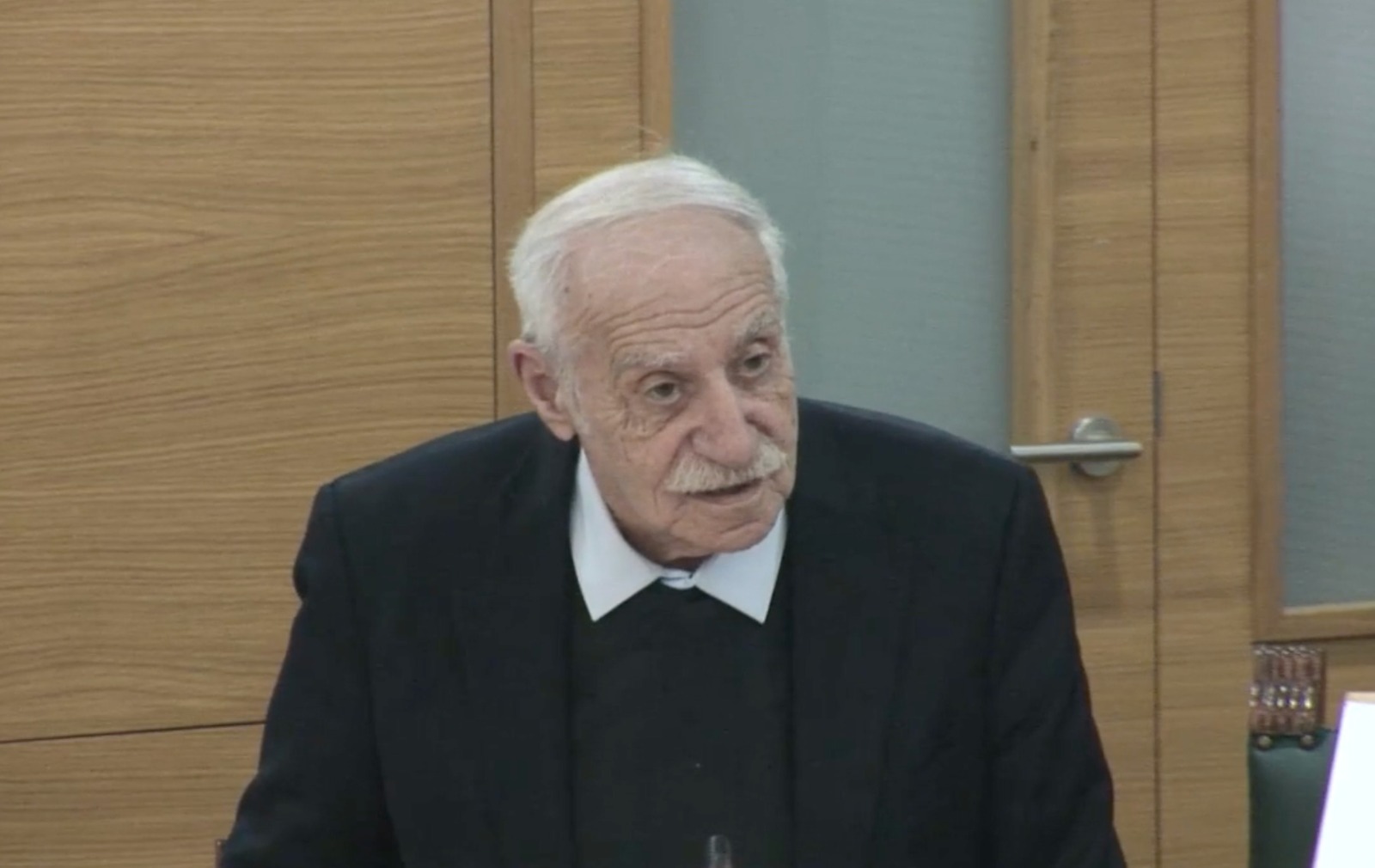
Sir Joe Bossano told Parliament that the McGrail Inquiry report did not represent “the whole of the truth”, as he questioned both the origins of the Inquiry and the wider context around the police investigation that featured in it.
He said he found it difficult to support what he described as a decision to “waste £8 million of taxpayers money”, arguing that if Mr McGrail believed he was pressured into resigning, the proper recourse was to bring a constructive dismissal claim at an employment tribunal, as any other employee would.
Sir Joe said the Government had been subjected to an adverse public campaign including on Facebook and suggested the Opposition had seized on the Inquiry as a political weapon.
On the police operation central to the Inquiry, he said it was wrong to suggest that a criminal complaint relating to Gibraltar’s security system had been made by both Bland and the Gibraltar Government.
Sir Joe also questioned characterisations of the investigation as “long” and “complex”, claiming evidence was largely supplied by Bland.
He also raised doubts about the offence under investigation in that operation and aspects of a search warrant obtained by investigating officers, arguing this context mattered when assessing the Inquiry report’s conclusions.
During his address, Sir Joe sought to reference issues relating to Mr McGrail’s early police career and mentioned too statements made by police whistleblowers which Sir Peter Openshaw ruled were not directly relevant to his terms of reference in the Inquiry.
But the Speaker, Karen Ramagge, intervened and told MPs to keep debate focused on what was in the report, limiting Sir Joe’s attempts to explore matters he said were missing from it.
“The report is about whether McGrail was doing a job and we as a Government or the Chief Minister was interfering with him doing the job he should be doing,” Sir Joe said.
“And I am telling the Parliament that there is evidence that he was not doing the job that he was supposed to be doing, that he was doing a job which, in fact, he should not have been doing.”
“And I'm telling them that the evidence that would have been put by the people who were involved shows a completely different picture.”
Sir Joe has now tabled a motion calling for the substance of the “protected disclosures” made by former police officers to be set out in Parliament, as well as the background on what gave rise to those reports.
SACARELLO
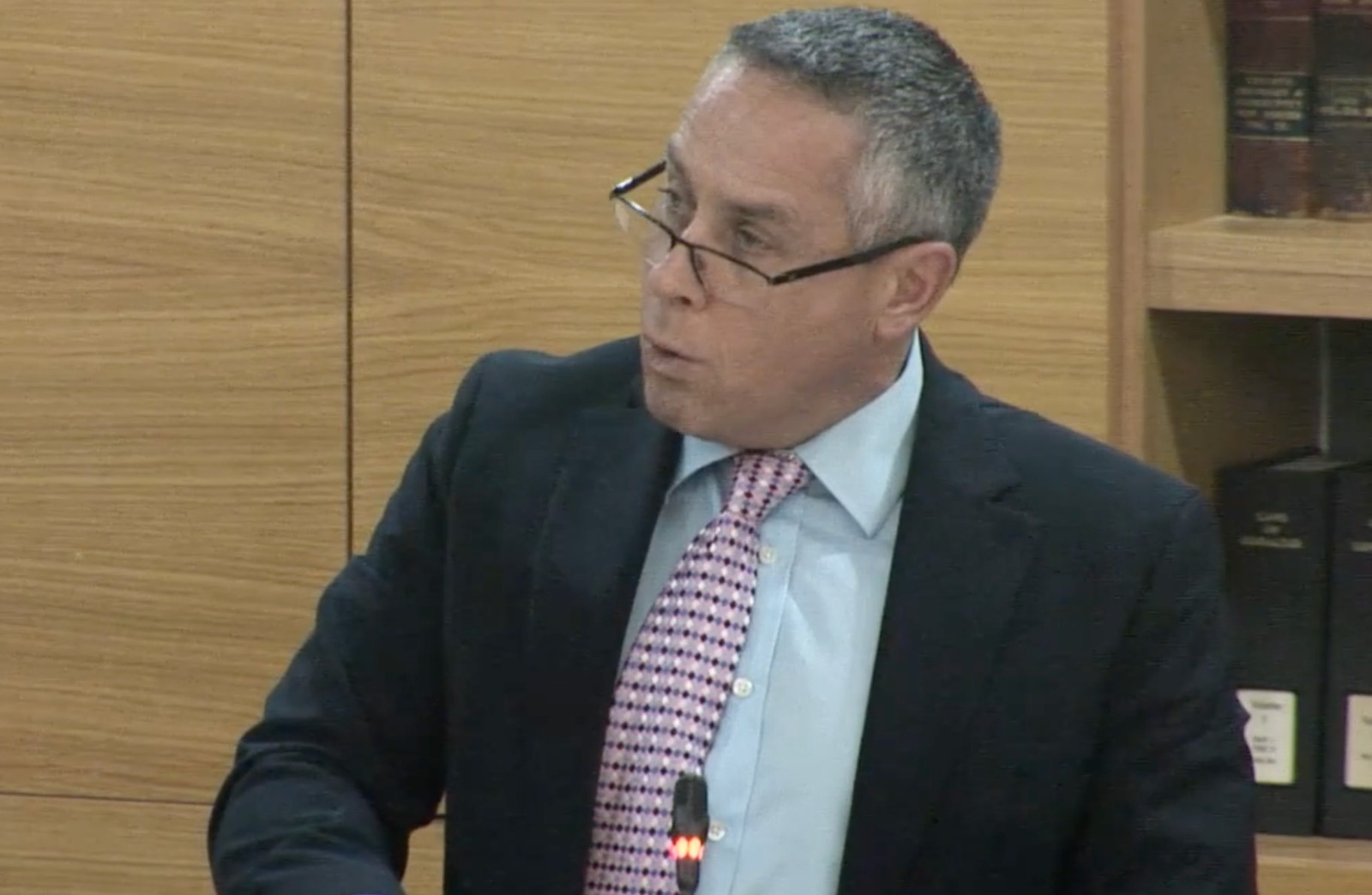
GSD MP Craig Sacarello told Parliament the McGrail Inquiry marked a defining test for Gibraltar’s democracy, arguing it required the Government to confront Sir Peter Openshaw’s findings and demonstrate a willingness to learn lessons from them.
Mr Sacarello said he believed ministers were attempting to “rewrite history through their own lens”, which he argued would harm Gibraltar’s reputation and democratic processes for years to come.
He framed his argument around the idea that events are understood in retrospect and that failure to learn from the past risked repeating mistakes, adding the Inquiry had exposed more than a single error and instead pointed to a wider “culture” in which standards had been eroded and safeguards “redefined downwards”.
Mr Sacarello said public confidence depended on leaders knowing when to step back, warning against “normalising” or explaining away “irrefutable findings” made in the Inquiry report.


