


Broad Commons support for Gibraltar treaty, but calls for scrutiny too


There was broad cross-party support for the UK/EU treaty on Gibraltar in the House of Commons on Wednesday, with MPs agreeing it was a route to stability after years of Brexit uncertainty, even while insisting on the need for scrutiny during the ratification process.
The debate in Westminster Hall, secured by Conservative MP Martin Vickers, reflected a broad consensus that the agreement offered Gibraltar a pragmatic and necessary way forward, particularly when set against the disruption that could follow a ‘no deal’ outcome.
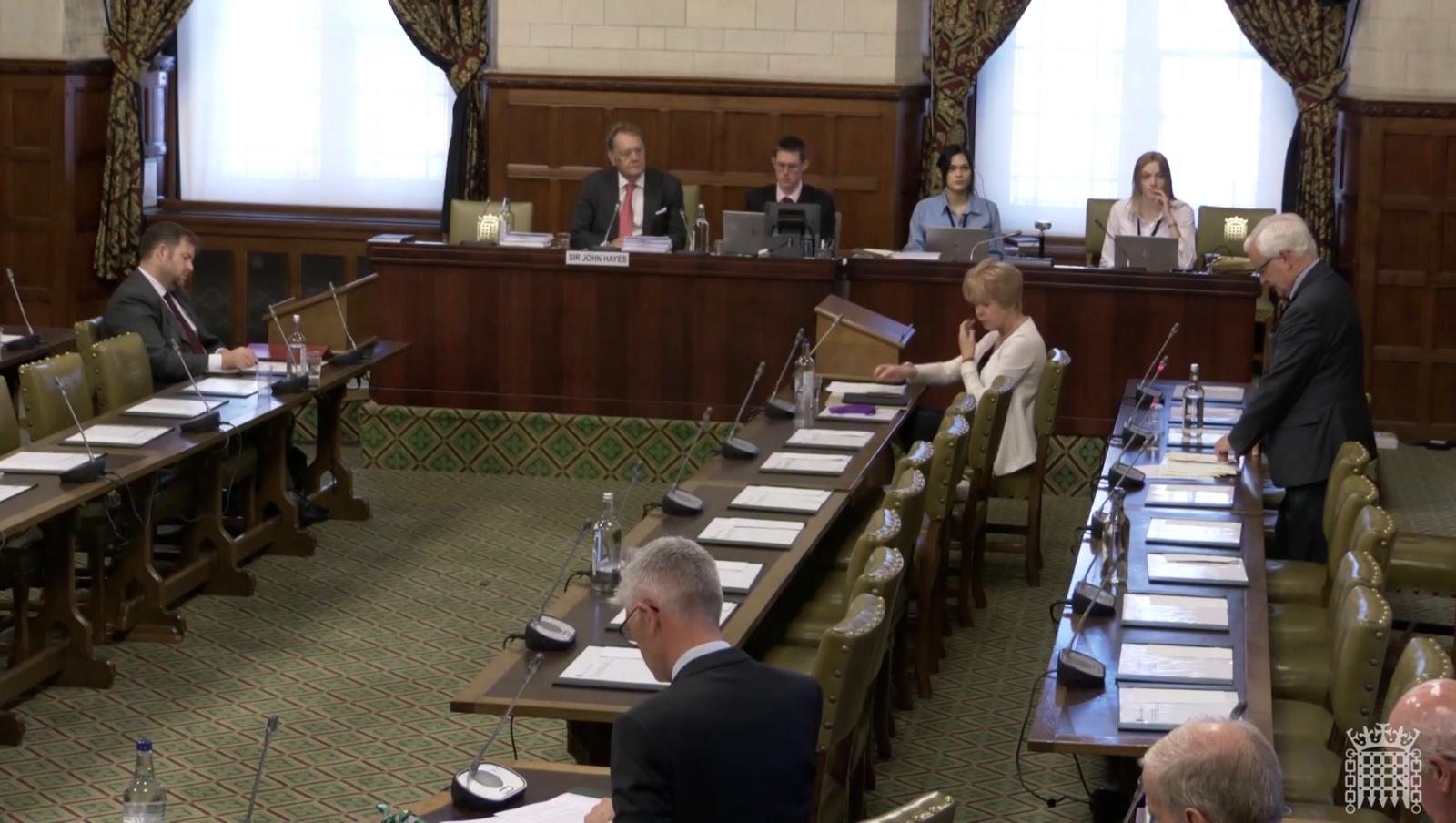
Mr Vickers spoke comprehensively about his recent visit to Gibraltar accompanied by crossbench peer Baroness Elizabeth Butler-Sloss.
He said the delegation had sought reassurance on some of the most sensitive aspects of the agreement, including immigration arrangements at the airport and the continued operation of the UK military base, adding any doubts they harboured had been assuaged.
“I think on balance we came away with the overwhelming view that the treaty negotiations had been a success [and] that the final version of the treaty should be approved,” he said.
“It’s got cross-party support in Gibraltar and it would therefore be regrettable, I think it's fair to say, if that wasn't reflected here at Westminster.”
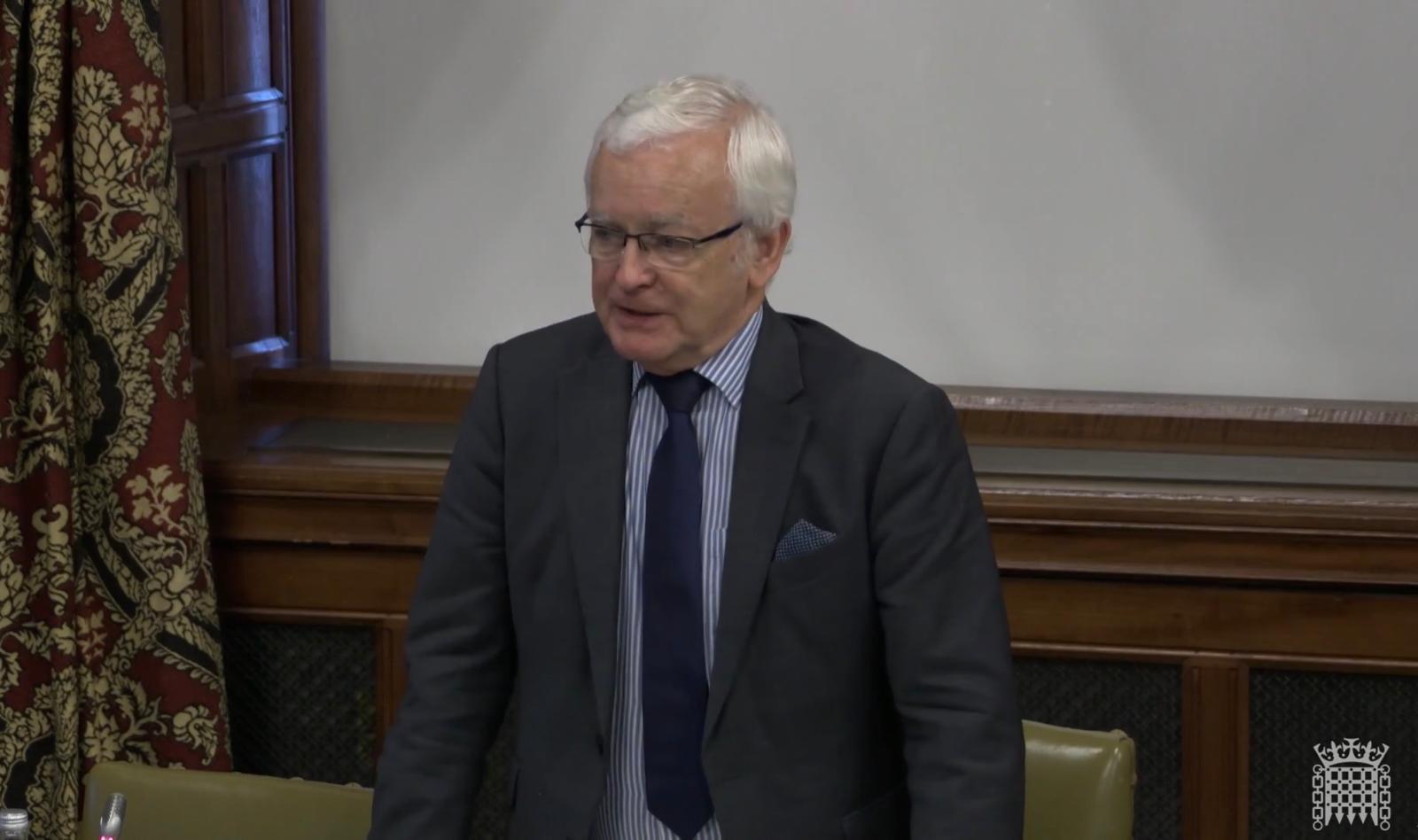
The issue of sovereignty was a constant thread throughout the debate, with MPs broadly agreeing that the treaty protected British sovereignty over the Rock.
Labour MP Amanda Martin, chair of the all-party parliamentary group on Gibraltar, said the agreement “changes nothing about sovereignty”, adding “Gibraltar remains British”.
She said the treaty was “the agreement the people of Gibraltar wanted”, noting it had been approved unanimously by the Gibraltar Parliament and backed by stakeholders who had met UK MPs during their visits to the Rock.
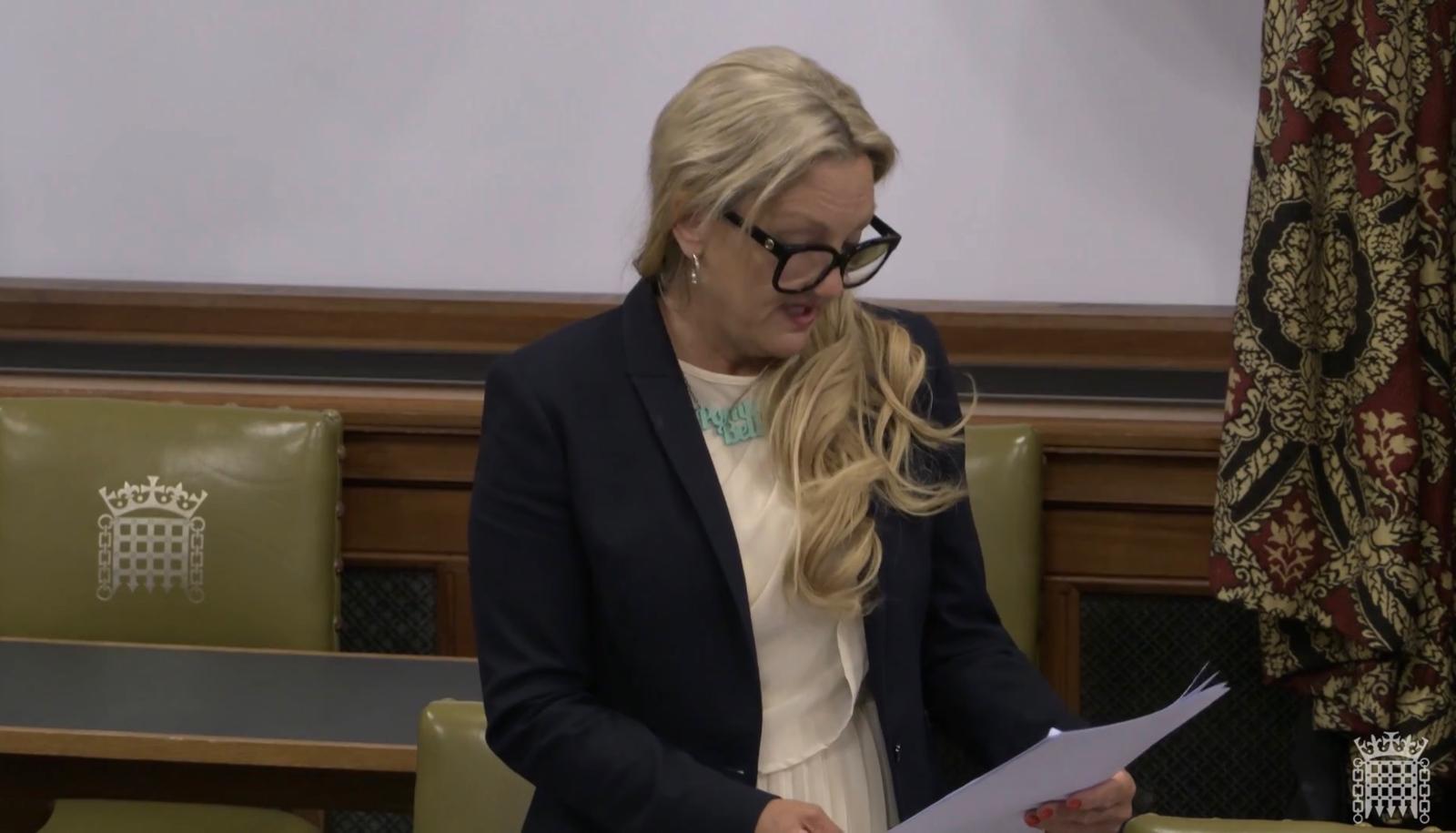
Ms Martin acknowledged concerns raised around issues such as the impact on retail, security and access to the university, but said the agreement would bring certainty and easier movement across the frontier that would improve trading opportunities for Gibraltar businesses.
Liberal Democrat MP Edward Morello said Brexit had left Gibraltar in a “state of limbo” for years and that the treaty “finally” resolved this, providing Gibraltar with the certainty it had been seeking since 2016.
He said that without an agreement, Gibraltar would have faced severe practical and economic disruption.
“Those additional checks would have created significant delays threatening Gibraltar's competitiveness and potentially encouraging businesses to relocate elsewhere,” he said.
Labour MP Mark Sewards focused on the no-deal alternative in similar terms, recalling conversations with Gibraltarians that reflected “a passion for their home and a practical approach to the reality that they were facing”.
Military autonomy was another recurring point and Ms Martin welcomed “the clear guidance that the movement of UK military personnel and equipment will not be impeded”, describing that as “an essential principle throughout these negotiations”.
Mr Morello said the agreement protected Britain’s strategic interests, with the operational autonomy of the military base “entirely unaffected”.
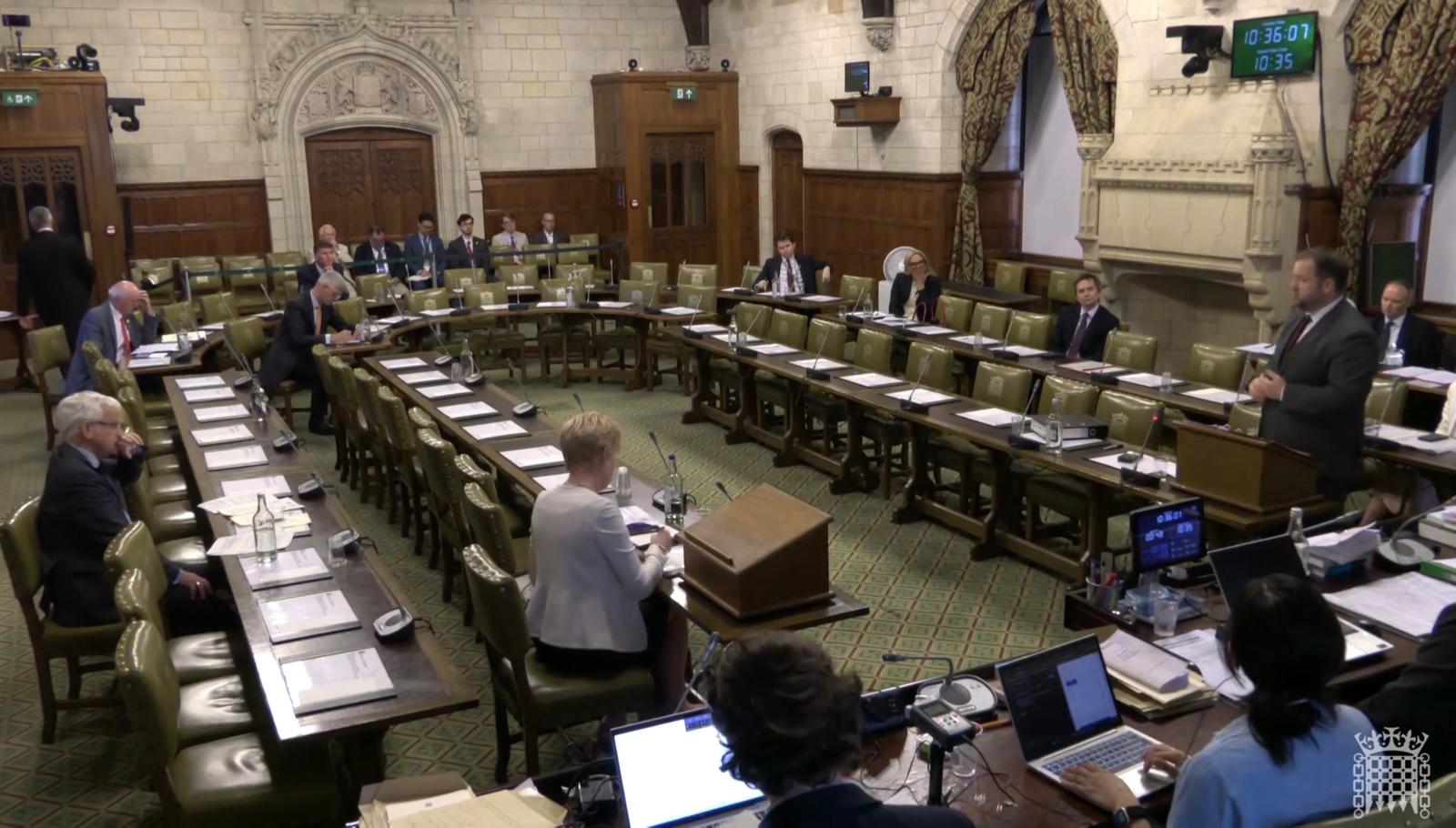
During the debate, MPs noted that Gibraltar had played a central role in the negotiation and that the Gibraltar Parliament had backed the treaty.
In that context, Mr Sewards said Westminster scrutiny was valid but “should not override the people of Gibraltar's wishes”, adding “the power to decide Gibraltar’s future should rest with the people of Gibraltar”.
The importance of the Gibraltar treaty to the wider UK/EU relationship was also flagged by MPs.
“Gibraltar demonstrates something important, [that] whenever the UK and the EU work together pragmatically, solutions can be found that benefit everyone,” Mr Sewards said.
“It shows that close cooperation with our European neighbours delivers tangible benefits.”
“Britain's long-term future should lie at the heart of Europe because our economy, our security and our young people's opportunities are stronger when we work alongside our closest neighbour and ally.”
Liberal Democrat MP Al Pinkerton echoed that message and said Gibraltar “illustrates a wider truth” about Brexit.
“Like the Windsor framework, this agreement is an intelligent and pragmatic attempt to solve problems that Brexit created,” he said.
“Geography has not changed.”
“Gibraltar remains politically British while being physically connected to the European continent.”
“Good diplomacy recognises both of those realities.”
Mr Pinkerton said the UK needed “a broader reset” with the EU, including a closer relationship with the EU single market and customs union.
The starkest note of dissonance came from Jim Shannon, an MP with the Democratic Unionist Party, who said his instinct was to be wary of the treaty despite the reassurances offered by ministers.
Drawing a parallel with Northern Ireland, he said communities there had been “bitten hard” by previous post-Brexit arrangements and warned against accepting broad promises without examining the detail closely.
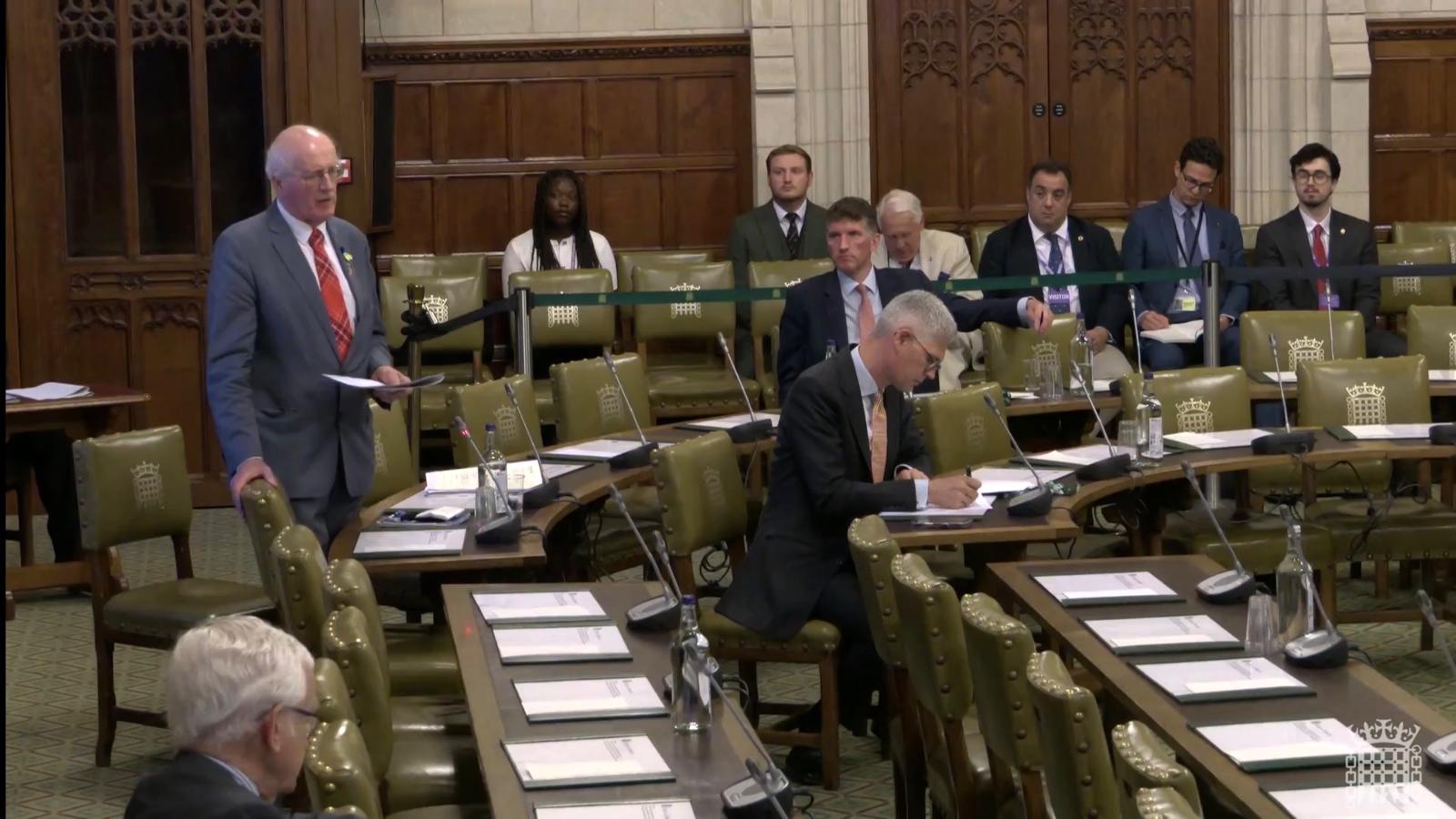
While acknowledging the efforts of the UK and Gibraltar governments in securing a deal, he said the treaty’s practical effect needed to be tested carefully, particularly where it envisaged a hybrid system involving Schengen arrangements, EU law and the presence of Spanish officers in Gibraltar’s airport.
He asked what safeguards would exist if the European Court of Justice had the final say on the interpretation of relevant rules, and whether ministers could really say British sovereignty would remain wholly uncompromised in practice.
Mr Shannon described Gibraltarians as “fiercely proudly and unapologetically British”, recalling their strength of feeling shown in past referendums.
He said Gibraltar’s strategic military importance and its loyalty to the UK meant ministers had a duty to proceed with great care.
Mr Shannon urged the UK Government not to rush ratification and to examine the treaty “line by line”, warning that sovereignty must be more than “a symbolic phrase written on a piece of paper to save face” and instead remain “a practical ironclad reality on the ground”.
Conservative MP Wendy Morton, the shadow Minister for Europe, welcomed the fact that a deal had been reached but said support for the treaty did not remove the need for proper parliamentary oversight.
“We welcome the fact that a deal has been reached,” she said.
“Businesses in Gibraltar and across the UK need certainty, frontier workers need certainty, British citizens travelling to Gibraltar need certainty.”
“And above all Gibraltar deserves certainty about its future and this agreement helps provide that.”
“It gives businesses, residents and those who rely on the frontier a clearer framework for the future.”
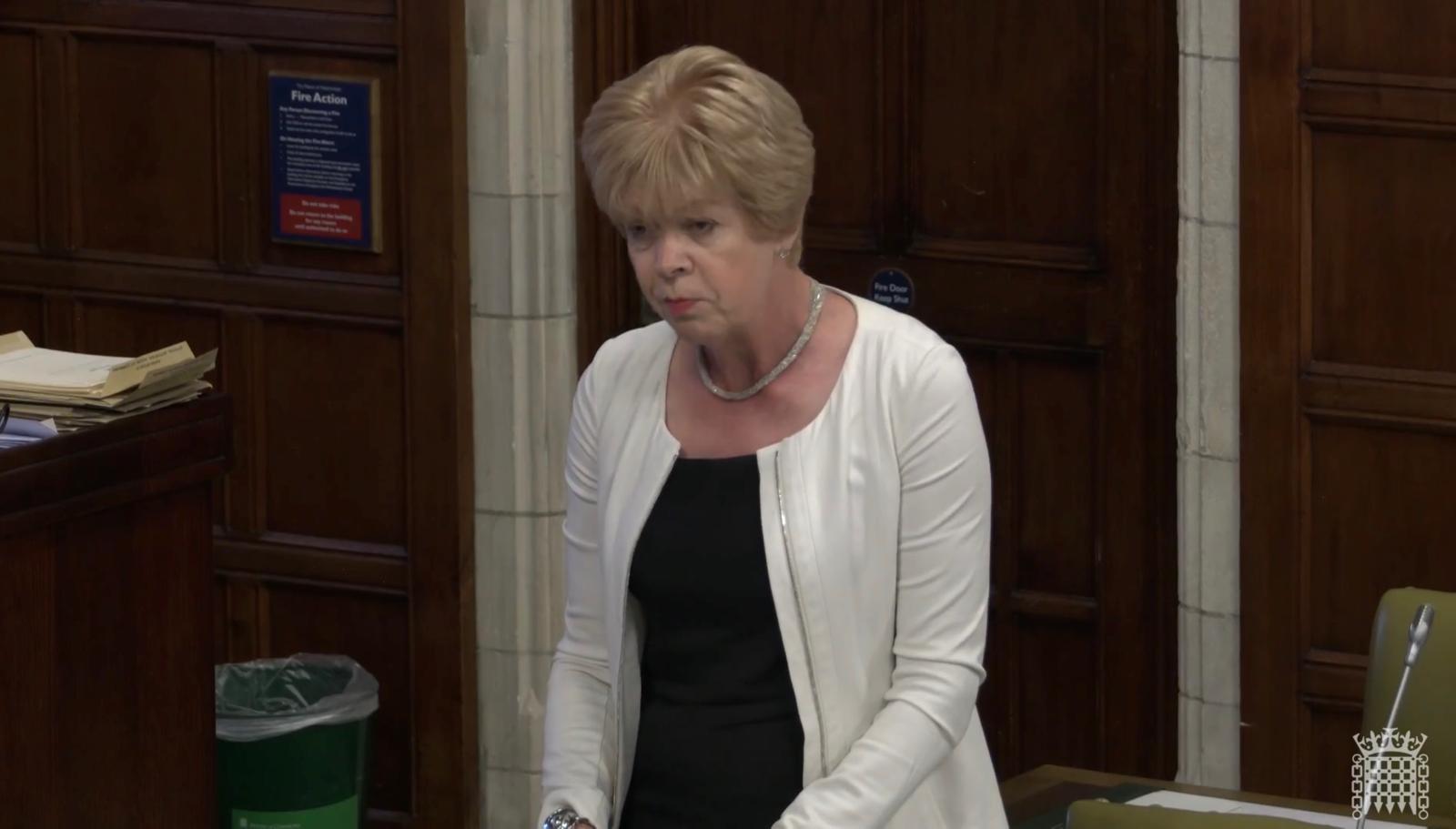
She asked Europe Minister Stephen Doughty, who was in the chamber listening to her, to explain when the treaty would be signed, when it would be laid before the Commons under the Constitutional Reform and Governance Act, and whether MPs would be given time for “a full substantive debate on the treaty in both Houses before provisional application begins”.
“No one wishes to undermine the progress that has been made but supporting Gibraltar and scrutinising government are not competing objectives,” she said.
Responding for the UK Government, Mr Doughty said contributions had broadly reflected a call for “reasonable fair scrutiny but broad support”, adding that this sent “a very strong signal” alongside “the very, very strong support that the democratically elected parliament of Gibraltar have set out” for the treaty.
Mr Doughty addressed questions over defence and the practical effect of the treaty on daily life.
He said safeguarding the operational autonomy of the UK's military facilities had been a red line for the UK Government throughout the negotiation, adding the agreement protected that autonomy and had the full backing of the Ministry of Defence.
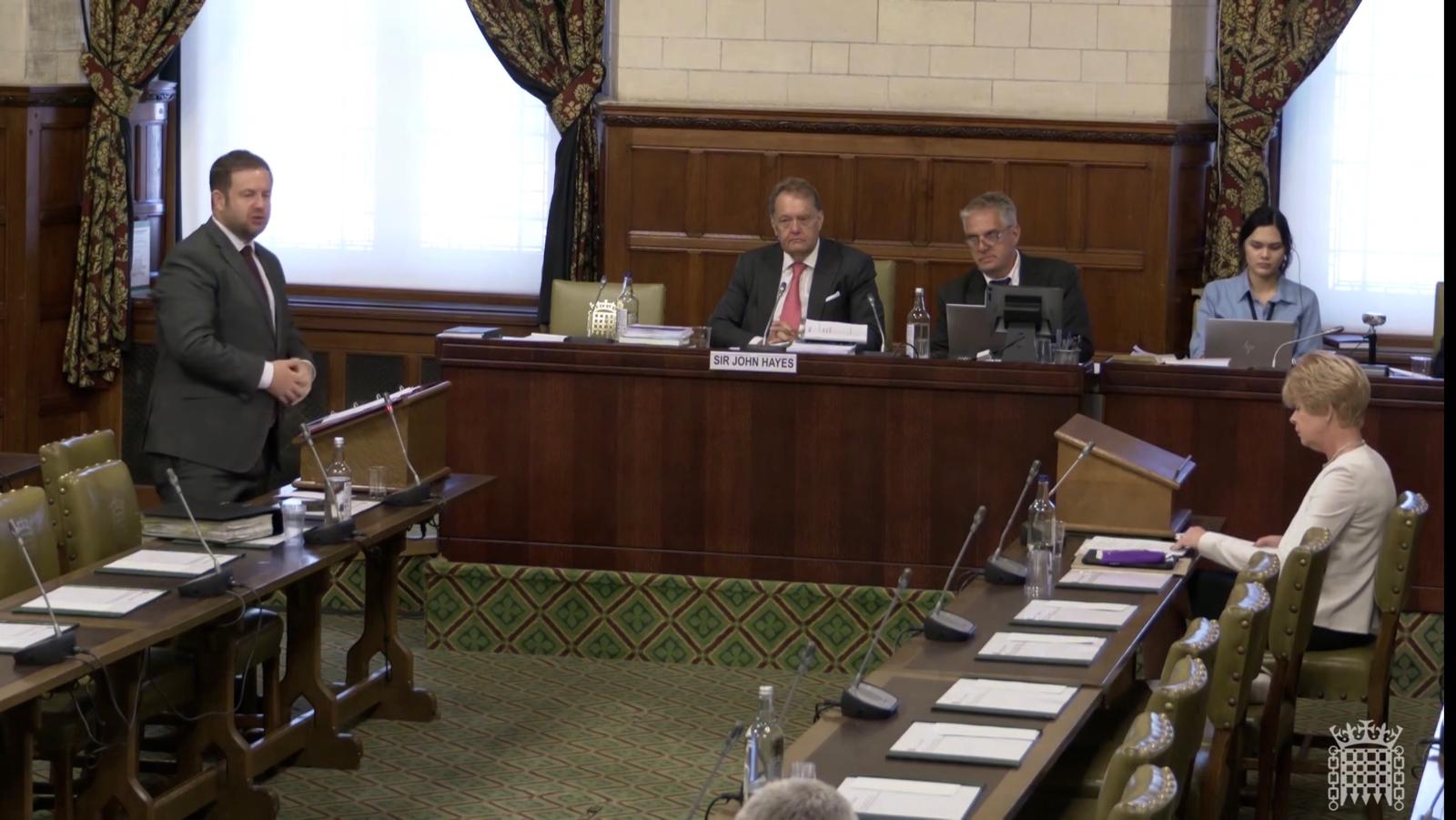
At the same time, he said the removal of immigration checks at the land border was “crucial” for the nearly 15,000 people who crossed each day for work, arguing that the agreement would protect Gibraltar’s economy while delivering the clarity and certainty that people and businesses on the Rock needed.
He added too that the UK’s wider ties with Spain had improved, describing recent developments in that relationship as “very tangible and very positive”.
Mr Doughty said the July 15 date for the start of provisional implementation represented “an important milestone for Gibraltar” and said all sides were working toward full ratification as soon as possible thereafter.
He told MPs that once signed, the treaty would be provided to the UK Parliament immediately and would then go through the GRAG process, while much of the operational work was already being led by the Gibraltar Government.
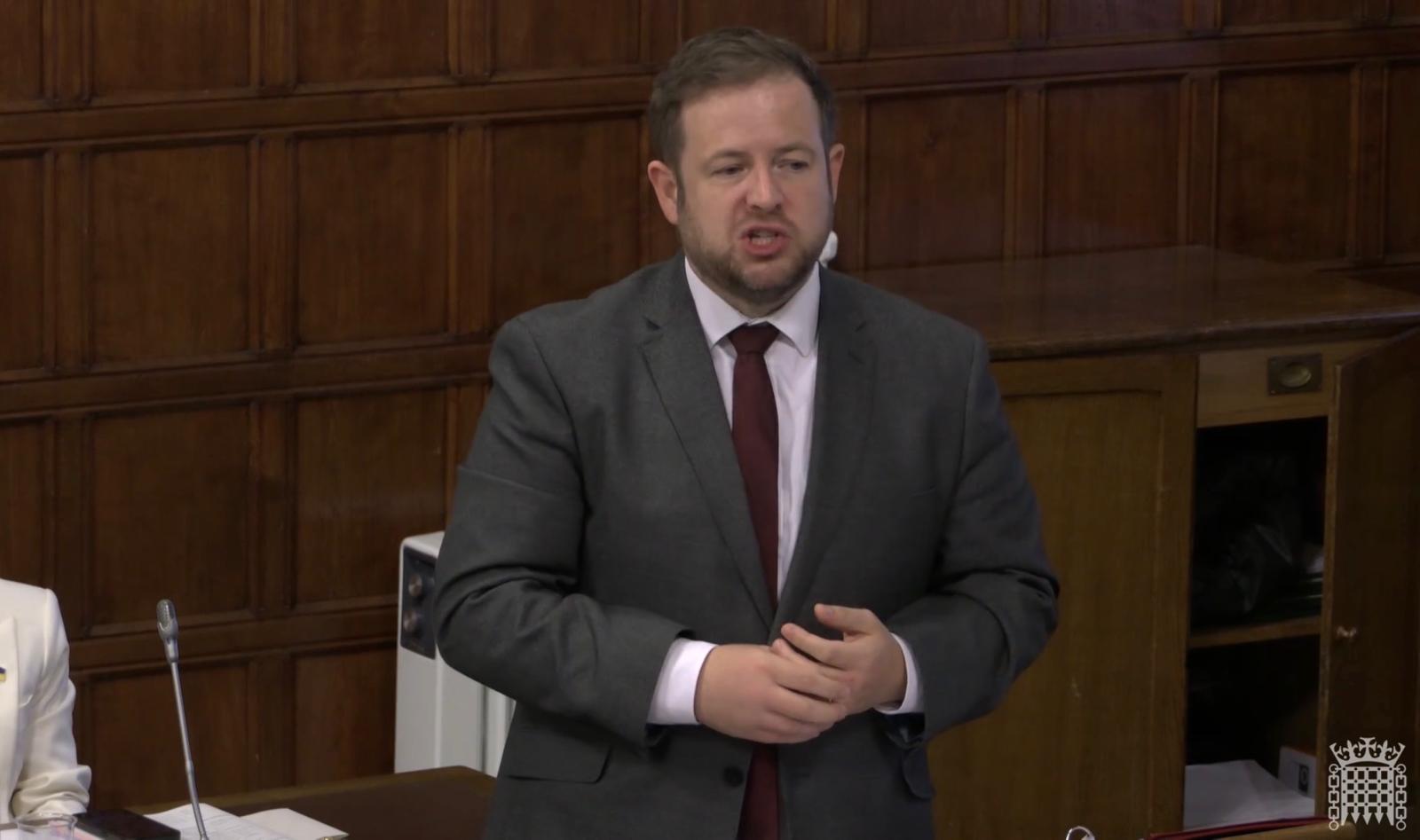
On the core constitutional issue, Mr Doughty sought to draw a firm line under any suggestion that the treaty impacted on sovereignty, reminding MPs that “negotiations on sovereignty were never on the table” and that Article 2 made clear the agreement did not affect Britain’s position on Gibraltar.
He also reiterated the UK’s “double lock” sovereignty commitment to Gibraltar, under which UK would never change or even discuss the Rock’s sovereignty against the wishes of the Gibraltarians.
“So the sovereignty of Gibraltar is protected for the long term in this treaty and if it was not, we would not have agreed it,” he said.


