


Inside the Castle


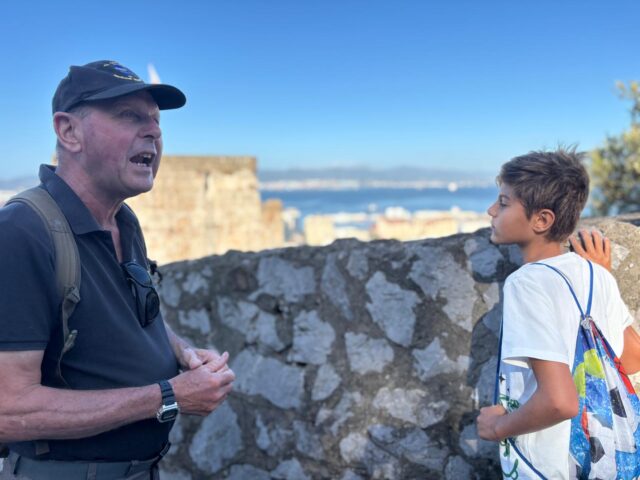
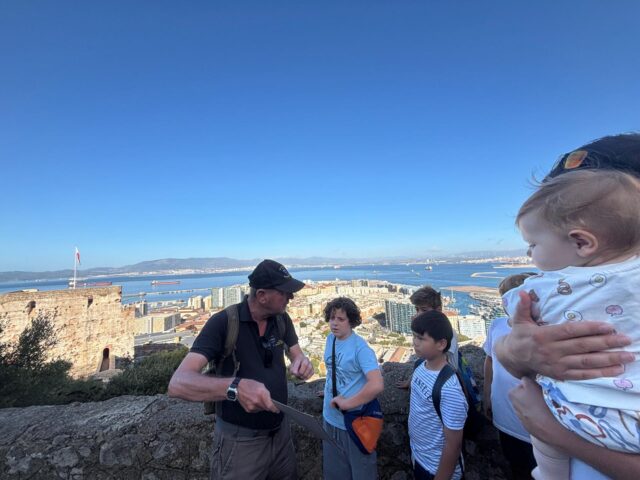
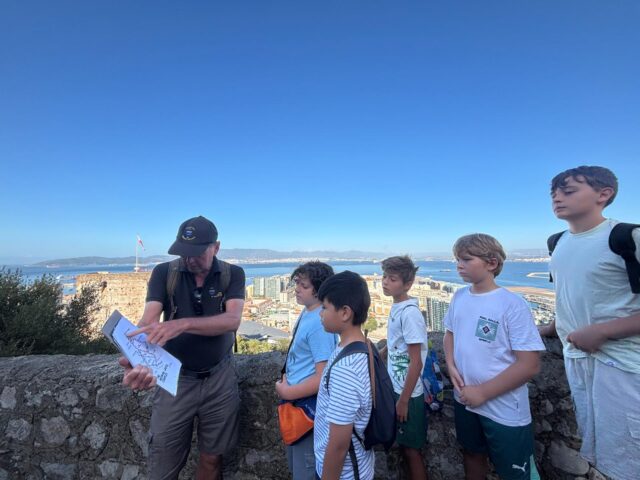
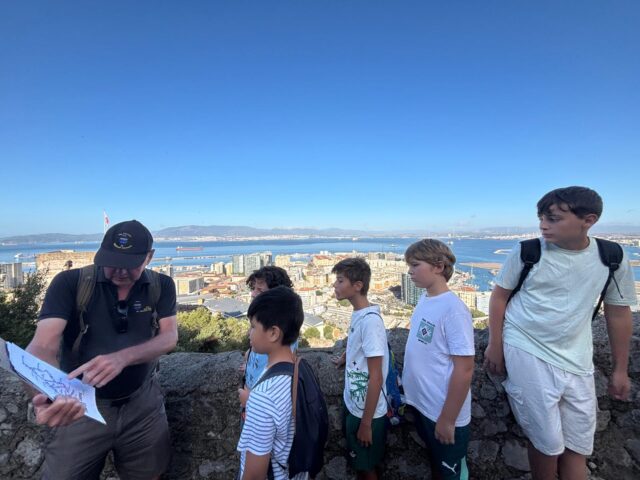
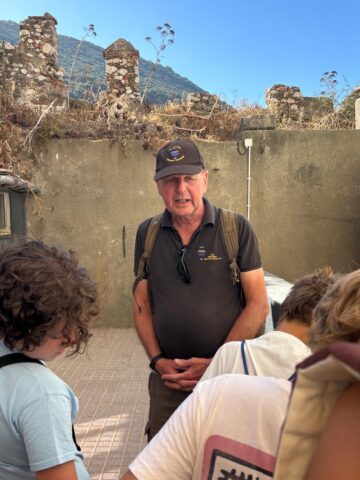
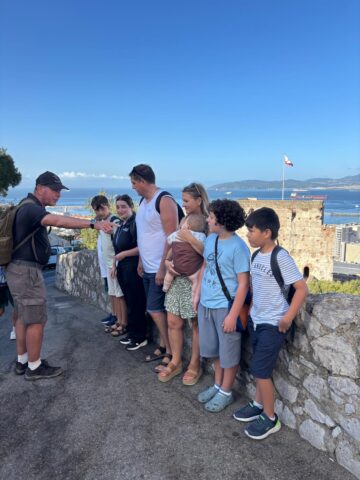
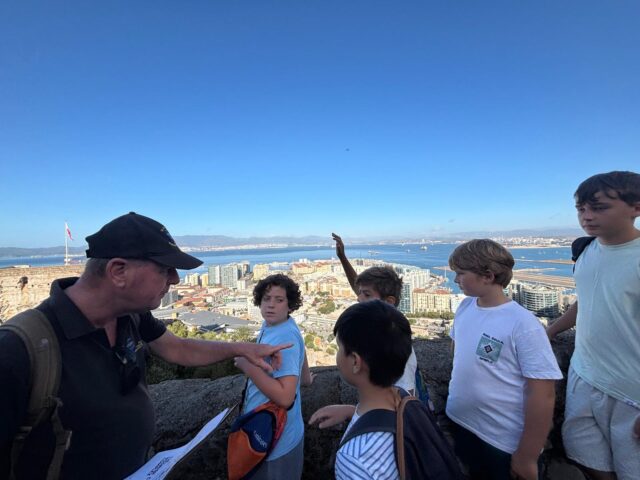
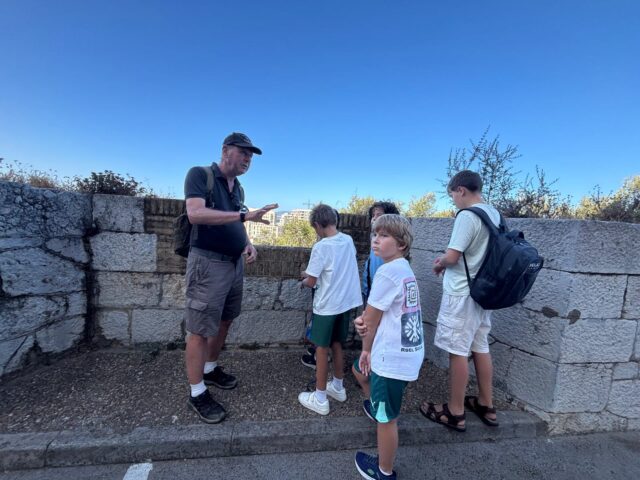
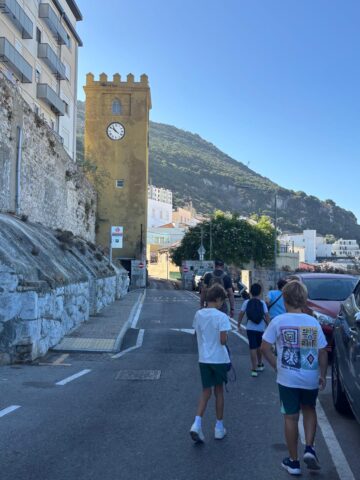
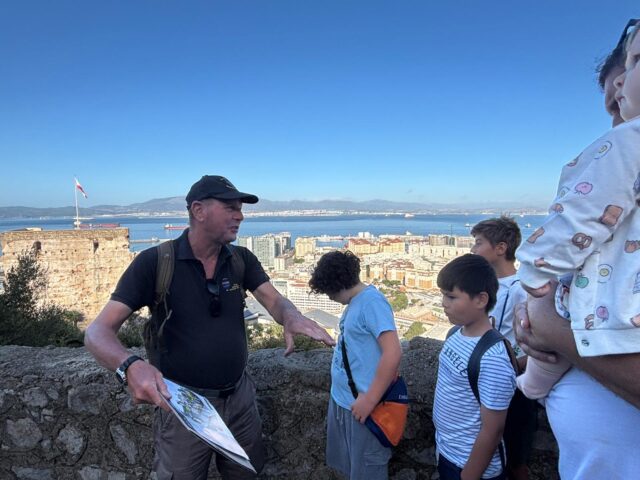
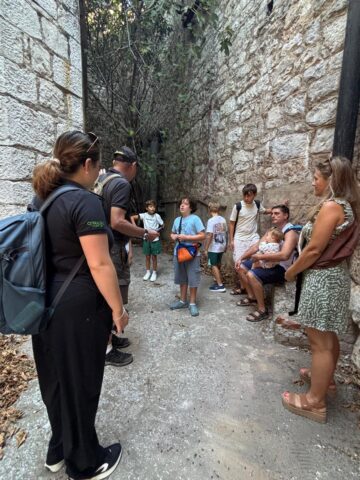
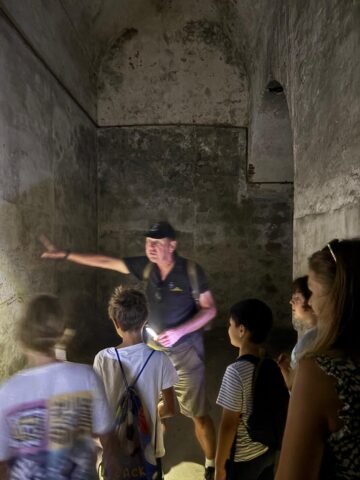
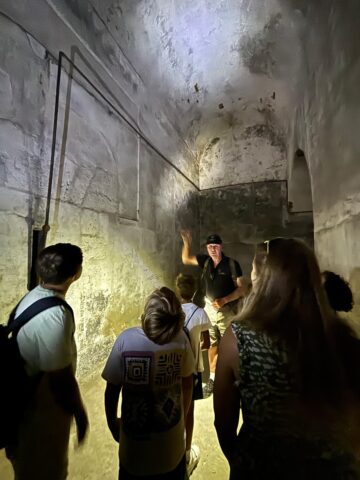
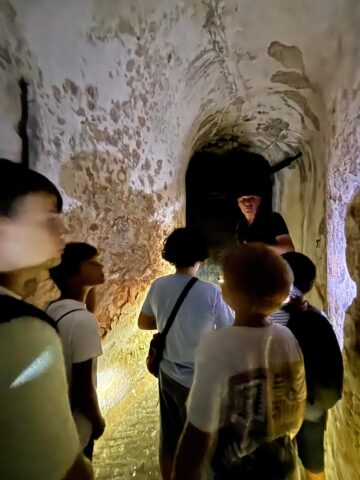
The last Walk Through History with the Gibraltar National Museum gave children and their parents the opportunity to explore the Moorish Castle from inside, accompanied by museum guides Phil Smith and Naomi Fa.
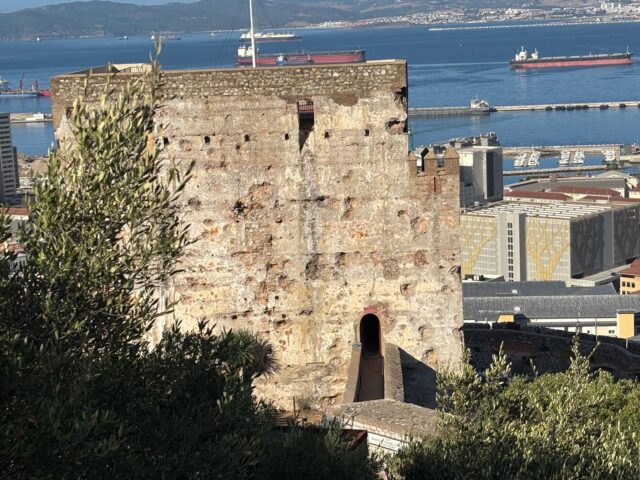
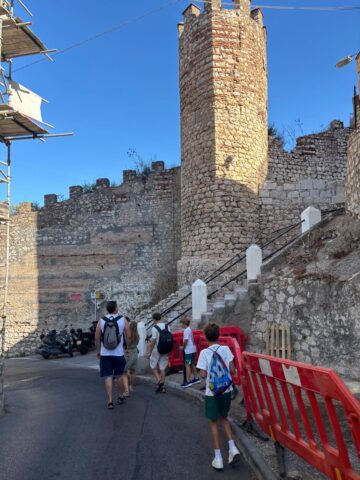
The Tower of Homage was not accessible because of ongoing works, but the group visited several other parts of the complex and learned about Gibraltar’s historic defensive system.
The tour began at the entrance to the World War Two Tunnels, where the group had a view across the Moorish Castle complex.
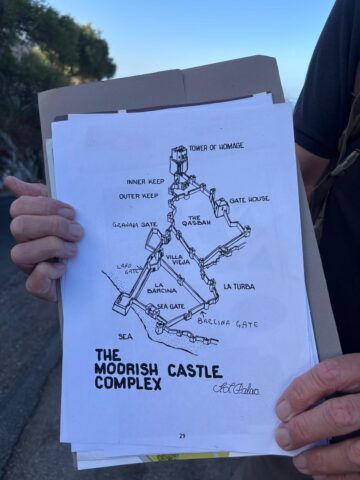
Mr Smith explained that the defensive system extended well beyond the Tower of Homage: “it's not just the Tower of Homage, it's a defensive system going all the way down to Casemates,” designed in stages, beginning with the Tower of Homage at the highest point.
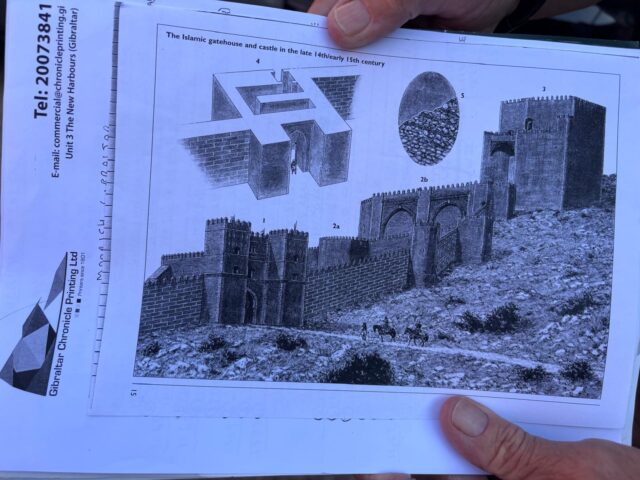
“Then, there is a defensive thing called the inner keep and then, an outer keep. There are three distinct areas, the Qasbah, Villa Vieja and La Barcina and, because this complex was built very thick and very strong, almost all those walls are still there.”
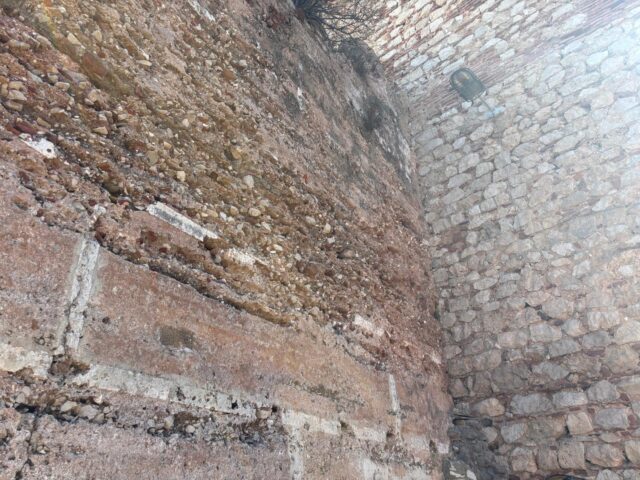
“Later on, those walls were redeveloped by the Spanish and, later, by the British. But the original walls were still there and, when the Moors built this castle, it was only [to protect against] bows and arrows, it was before they had gunpowder.”
Mr Smith explained that the Moors captured Gibraltar in 711 and subsequently controlled much of the Iberian Peninsula.
The Reconquista later began in the north and progressed southwards, with fighting and sieges becoming a regular feature of the period.
“That meant there were a lot of sieges, so the Muslims in Gibraltar needed a castle, a defensive place to live in,” Mr Smith said.
He explained that the first castle was built in 1068 but was badly damaged during a subsequent siege and went on to describe how Almohad ruler Abd al-Mu'min ordered the foundations of a settlement to be known as the City of Victory, or Medinat al-Fath.
“In 1160, they built a new city called Medina el-Fath and that was pretty much laid out on the lines of what's there today.”
In the 1300s, the Spanish captured Gibraltar and held it for 24 years, until 1333.
“When the Moors recaptured it, they built the city that you'll see today and that survived, since then, a further 10 sieges. So, it's been attacked all those times.”
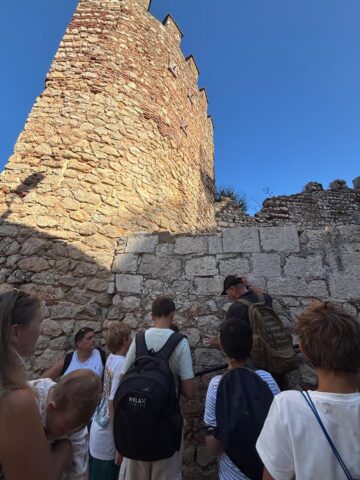
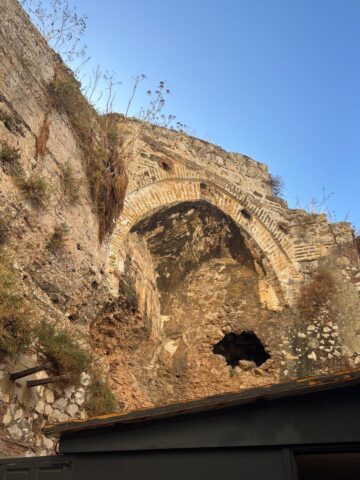
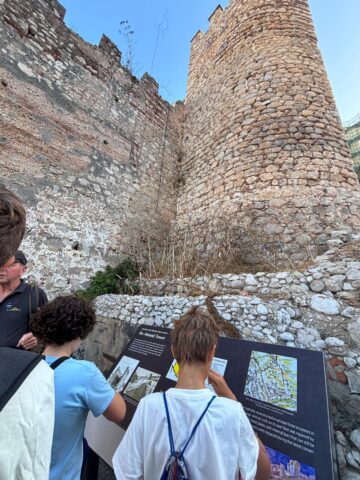
The damage caused by catapults can still be seen on the walls of the Tower of Homage.
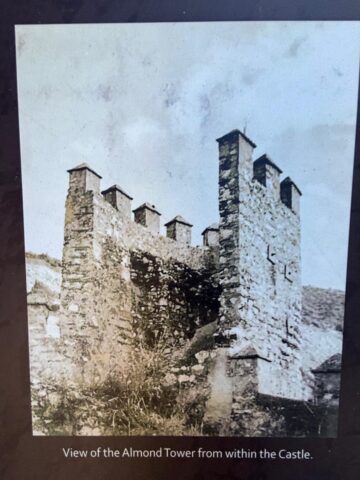
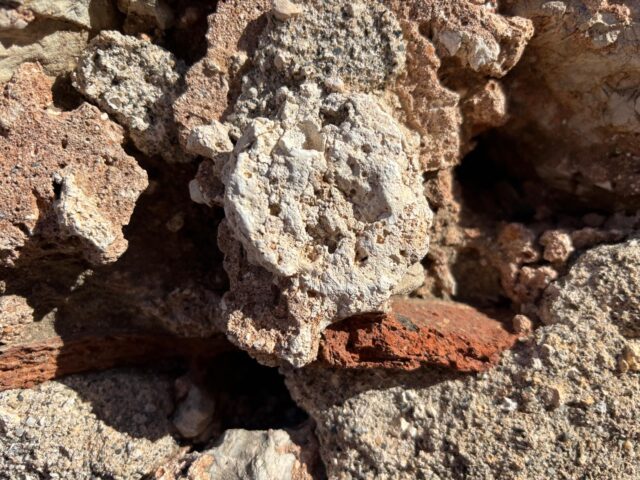
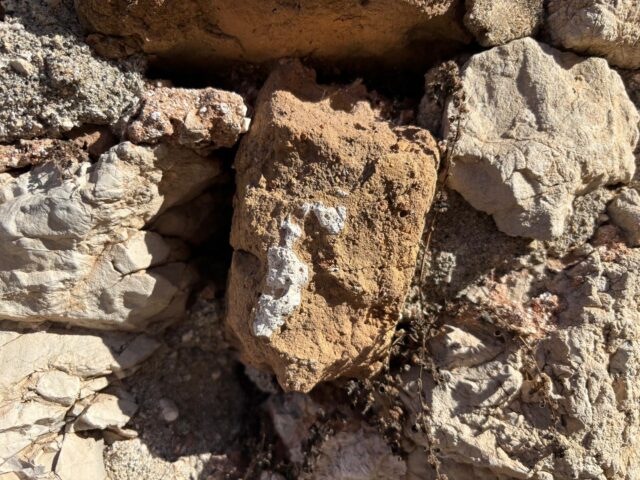
The explorers then descended to the Almond Tower, where the children saw how the defensive system worked and observed the differences between the original Moorish walls and later construction, before continuing to the Gatehouse, part of the lowest enclosure of the castle.
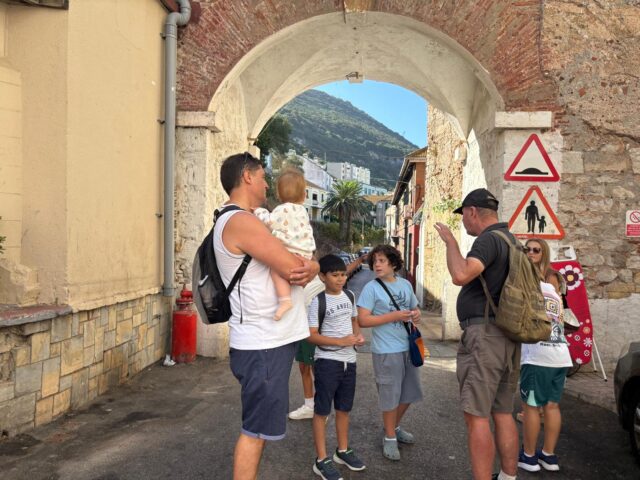
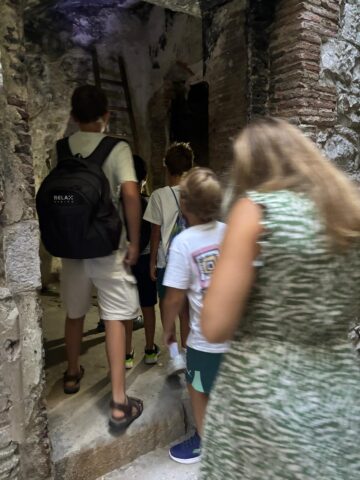
The highlight of the visit came when Mr Smith took a set of keys from his pocket and asked the children if they wanted to enter the castle.
“Why do you have the keys?” they asked.
“Because someone gave them to me, as the Museum is in charge of coming every month to check that everything is here,” Mr Smith answered.
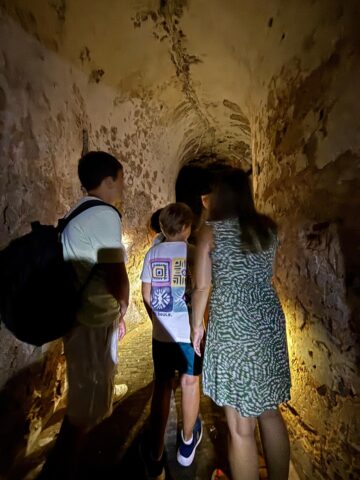
The original Gatehouse, walled up by the British garrison once a new entry point had been built, retains its zig-zag shape designed to prevent enemies from gaining direct access to the castle enclosure, and the children were allowed to explore its dark chambers.
The group then continued down towards the Puerta de Granada and the old qasbah before reaching the site of La Barcina, currently Casemates Square.
This was located behind the old sea gates and was once a sandy beach, an area where galleys could be beached.
The ships were built or repaired at La Atarazana, which was later used as an arsenal.
According to Mr Smith, the Atarazana is the earliest construction found anywhere in Casemates Square and remained in use until it became redundant with the arrival of larger Spanish galleys.
The walk gave the children an opportunity to discover parts of Gibraltar's history not normally accessible, while learning more about the development of the Moorish Castle and the wider defensive system.
Most Read
Rock’s digital security system sends warning beyond Gibraltar, Parliament told
Fri 16th Oct, 2026
New group to plan healthcare jobs and placements for returning graduates
Tue 13th Oct, 2026
Fourth Committee welcomes Gib treaty as UN approach to decolonisation faces US criticism
Fri 16th Oct, 2026

Today's Paper
3rd September 2026
Read our latest newspaper by downloading our app from the link below.


