


UK premiere for Gibraltarian filmmaker Ian Sciacaluga
Images courtesy of Mr Sciacaluga


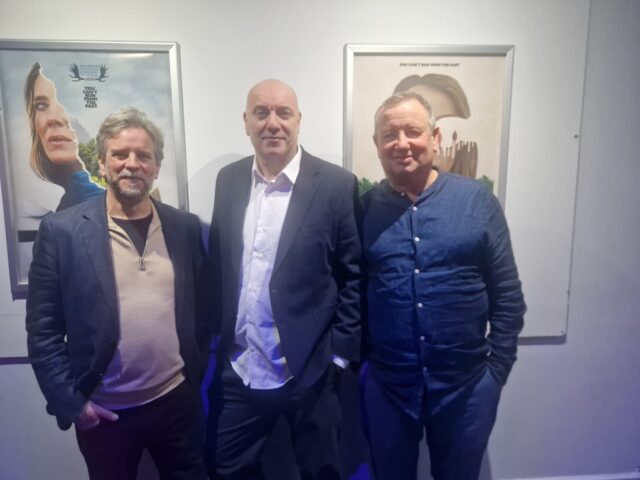
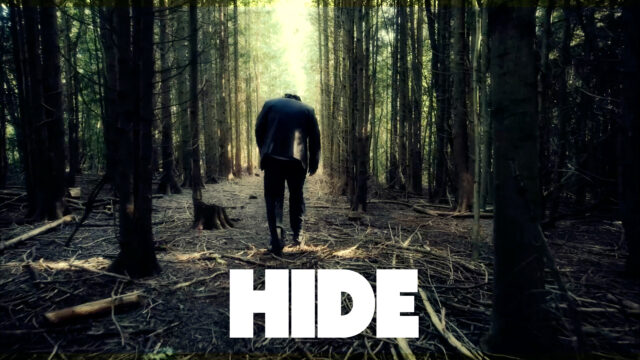
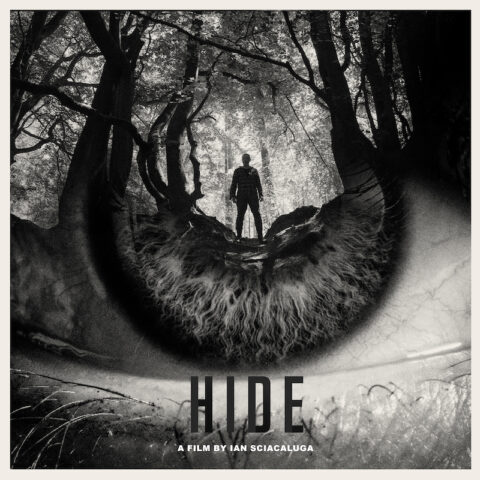
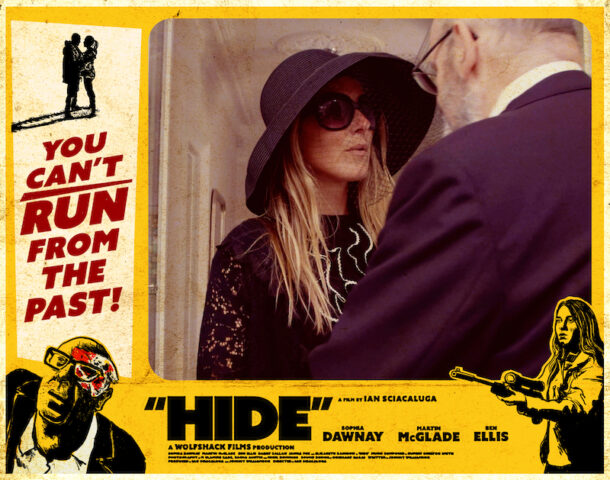
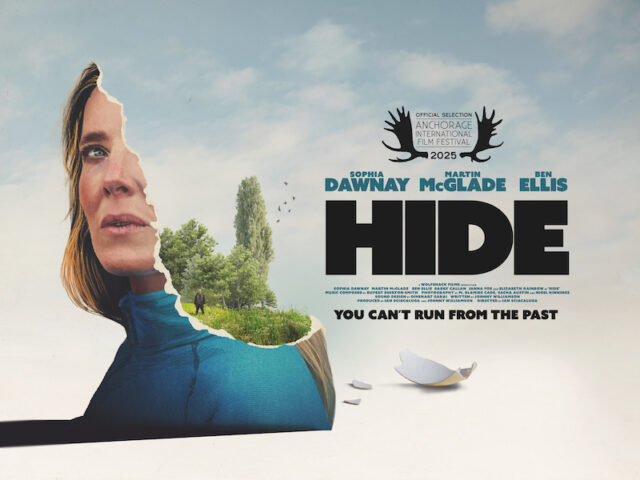
Award-winning Gibraltarian filmmaker Ian Sciacaluga recently held the UK premiere of his film, HIDE, in Dorking Halls, Surrey.
The director told the Chronicle that the independent psycho drama was conceived as an exploration of dreams, inner lives and the healing potential of creativity, which was developed over six years on a shoestring budget with a tiny, committed crew.
The idea for the film grew out of a long-standing collaboration with writer and producer Johnny Williamson and a shared fascination with the way dreams reveal hidden parts of the self.
“My writer and producer, Johnny Williamson, and I wanted to make a film about dreams and how they reflect our inner selves,” he said.
“I think the best movies, certainly the most cinematic ones, dwell in the realm of dreams and fantasy.
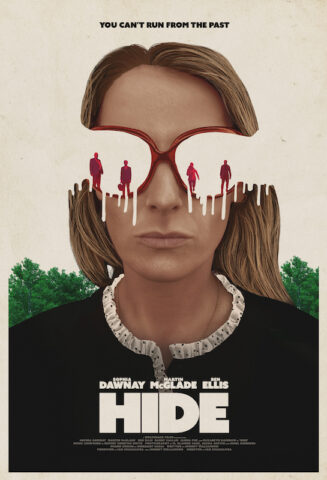
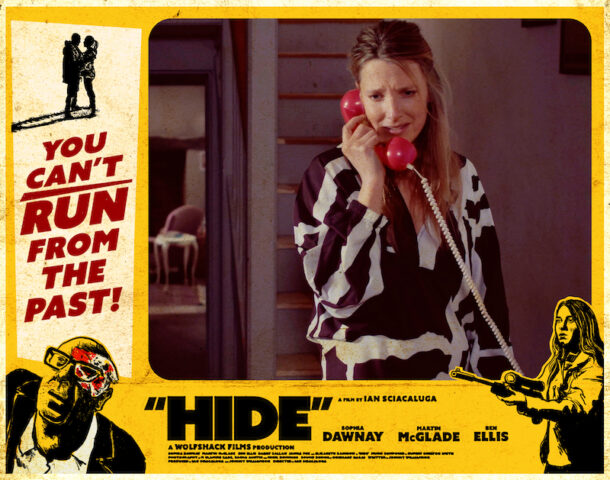
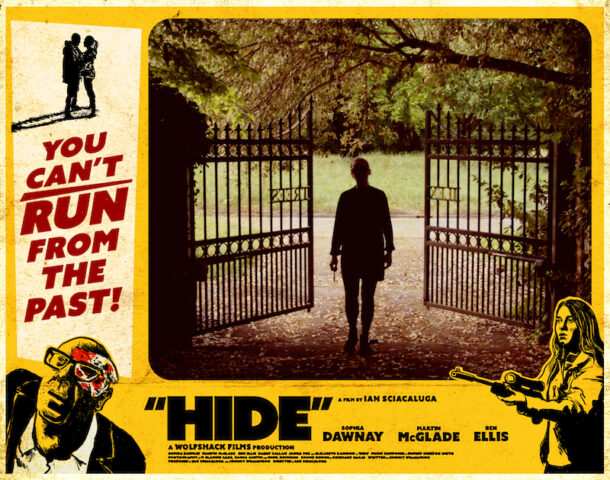
“HIDE is a psycho drama about a woman [Angie] who has to confront a childhood trauma that resurfaces after the death of her mother.”
“She spends most of the film trying to exorcise this memory to regain her sanity.”
“It’s not a depressing piece but a kinetic one that takes a hold and never lets go.”
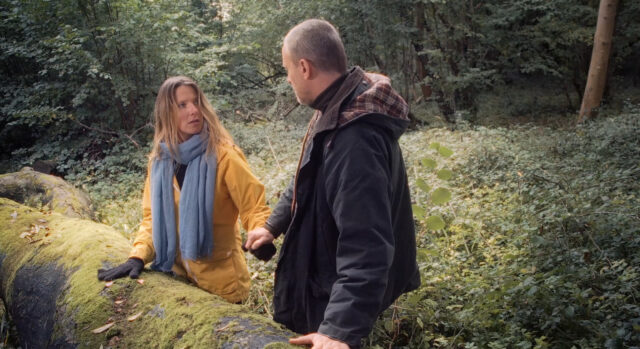
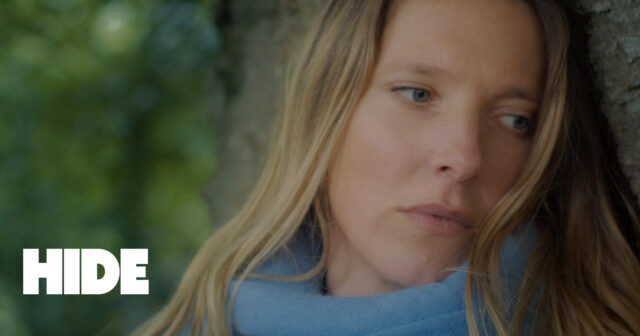
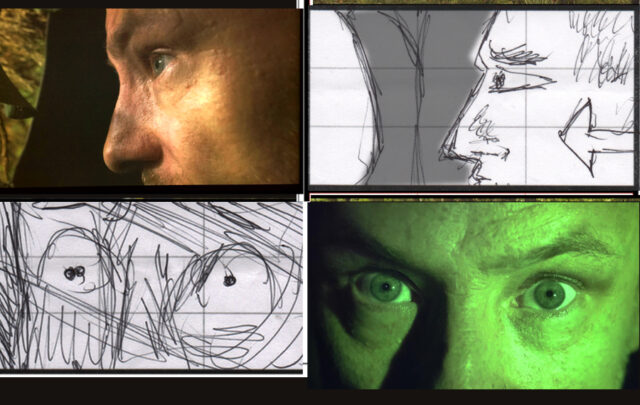
To balance psychological depth with visual storytelling, Angie is portrayed as an illustrator of fable and fairytale books.
By using Angie’s work, the filmmakers juxtapose reality with a heightened, storybook world and deliberately blur the boundaries between the two.
“Are we in a dream? Are we in reality?” said Mr Sciacaluga, “we play with the audience’s own mind with these techniques.”
The film also weaves in the idea of creativity as a tool for healing.
The director’s wife, Julia, is an art therapist who works with teenagers who have experienced sexual trauma, and he sees the power that art has to break through barriers and heal, calling it “very impressive”, as many of her clients testify.
“I also believe that art can communicate emotions and feelings in ways that our conditioned selves are reluctant to express, or fail to. Angie’s drawings both empower her and challenge her in the movie,” he added.
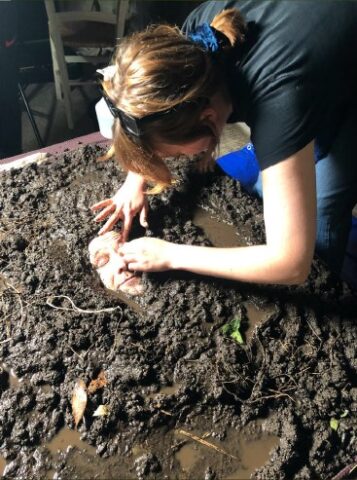
Bringing such an introspective story to the screen was complicated by the realities of low-budget production.
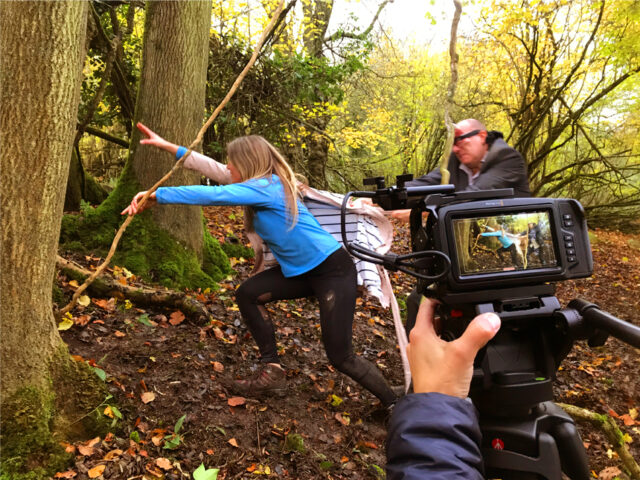
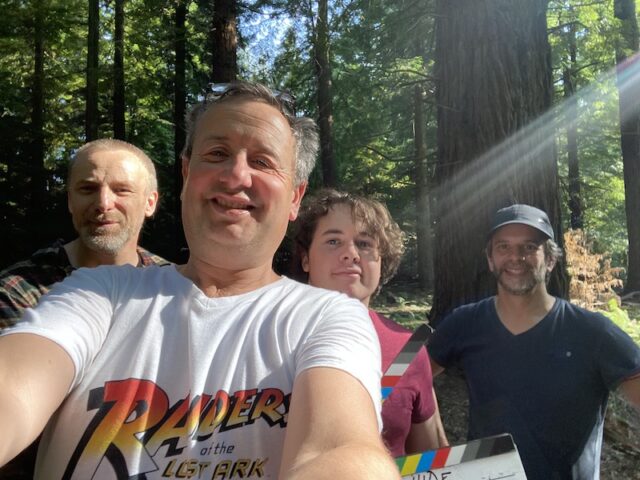
“Having no ‘real’ money to make the film meant actors and crew could not be paid, so I needed a lot of time (six years to make) and everyone had to be patient and not age,” he said.
“You rely on goodwill and favours and you keep the crew teeny.”
“HIDE in the end became an organic piece in the creation of the story as a result of the long time it took to make it.”
“But the actors really loved being so heavily involved in influencing the story-telling, to the extent that I am still friends with all of them many years on.”
In shaping the characters, he focused less on depicting the trauma itself and more on the process of working through pain, aiming to avoid any sense of romanticising suffering.
“I didn’t dwell on the trauma aspect but more on the exorcising of the pain,” he said.
“This made the characters more reactive to situations, rather than expressing something that may be seen as fake.”
“It just worked for this movie and I think it was a good decision.”
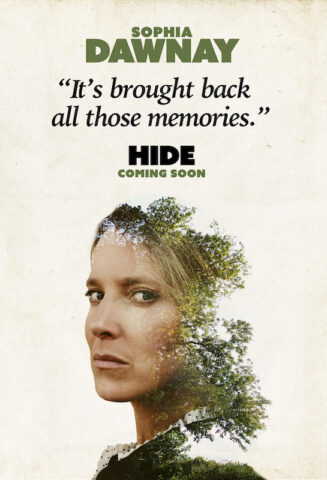
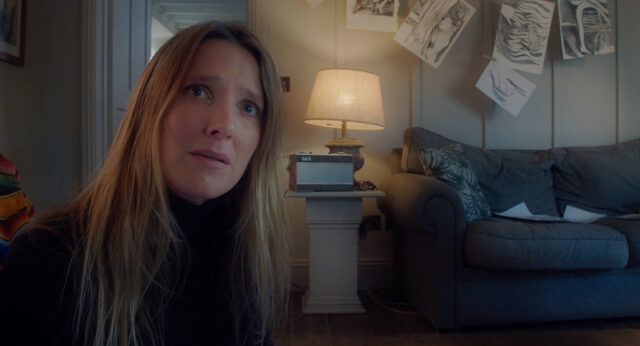
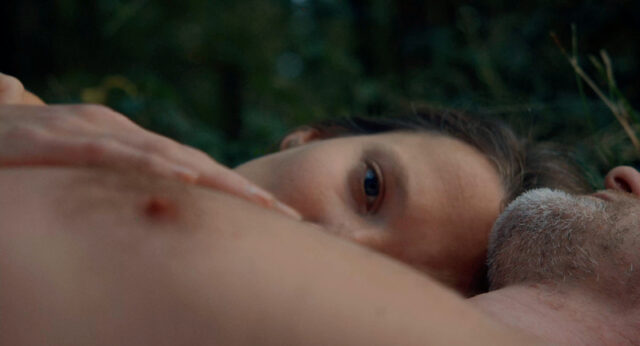
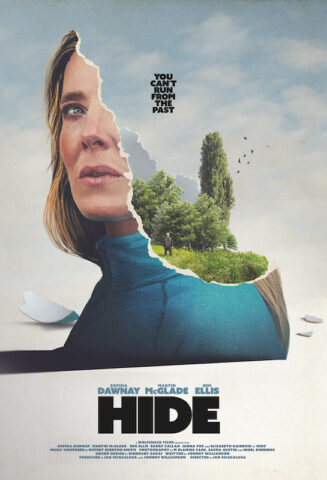
The emotional stakes were heightened further by events in the cast’s own lives.
The lead actress, Sophia Dawnay, had lost her mother only weeks before filming began, a loss the director said made her performance “pure and real”.
Although most of HIDE was tightly scripted, improvisation also played a part.
“Only one scene was improvised, between the woodcutter and the fictional lover, Martin, because I wanted the dialogues to flow freely and spontaneously,” he said.
“I love improvs and I always use it when I cast because it’s a good gauge of an actor’s tools of imagination and creativity.”
He noted that this was something he learned at film school.
According to Mr Sciacaluga, audiences at screenings and festivals, including events such as the Anchorage International Film Festival, have responded strongly to the film’s dark, expressionistic style and its twists.
“It’s an Arthouse, expressionistic movie, so HIDE isn’t your typical commercial fare, unlike my last film,” he said.
“But amazingly It’s been so well received across all audience types that I am still processing the fantastic feedback.”
“People talk about it, long after the film has finished.”
“I get messages saying that ‘I woke up this morning and I was still thinking about the twists and turns of the film’, or ‘I’m on a flight to Florida, I’m watching ‘Jurassic Park 7’ and I am just thinking about your film’.”
“I am so touched by this.”
“I feel that, in our social media age of immediate gratification, we forget what it’s like to immerse ourselves in a movie or a painting and be empowered to think and reflect on it.”
Despite HIDE’s focus on trauma and the subconscious, the director does not plan to remain in the same thematic territory for future projects.
“I am very proud of HIDE, but I’m a curious film-maker and I love to make movies in different styles but films that hopefully have my voice in them,” he said.
“I’m planning a romantic comedy next, more screwball Howard Hawks ‘30s-style set in modern day which relies more on fast chat, complex scene blocking and physical comedy than ‘serious’ subject matter.”
“Maybe it’s because, as a film-maker, you have to be commercial sometimes to survive.”
About the director and co-producer
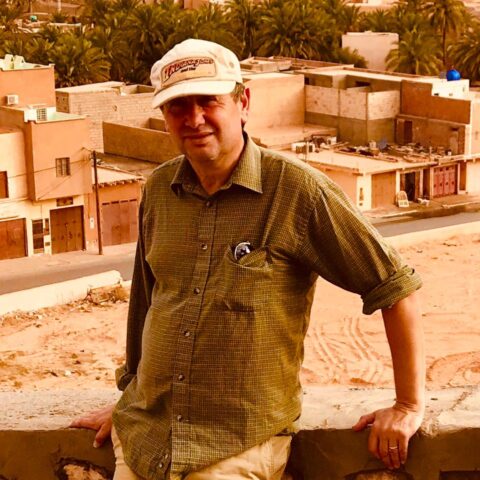
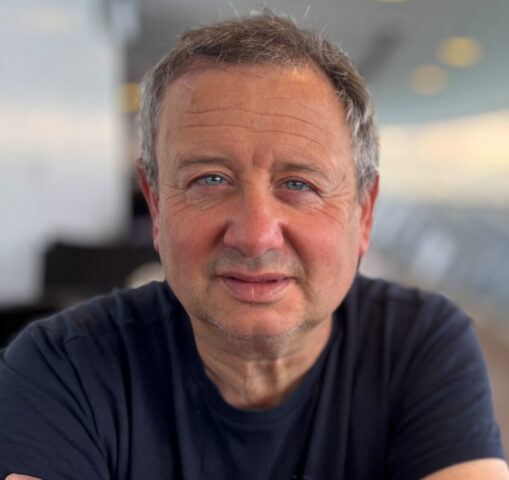
Ian Sciacaluga studied at The London International Film School and made his directing breakthrough in 1998 on a documentary short for Anglia Television called Millenium Kids, a moving story about delinquent teens confronting adulthood on the eve of their sixteenth birthdays.
The global success of this film propelled him on a successful advertising and documentary career, directing prime-time spots for Blink and a great number of Globetrekker travelogues for Discovery and standalone documentaries like Hidden Algeria for Netflix.
In 2023, he won Best Short Film at the Barcelona Indie awards as well as a host of awards for Directing in Dublin, Edinburgh, Paris, Singapore and LA, for his technicolour film noir, Imbroglio.
He has also been winning Best Film awards for his community musical project, We Dance for Life, at the Prague Music Video and European Short awards, the Bestlov, Humro, Swedish International and WildSound film festivals.


