


Albares hails ‘historic’ step as Spanish opposition slams Gib treaty ‘fiasco’


The deep fissures in Spanish politics were evident in the Congress on Thursday as Foreign Minister Jose Manuel Albares hailed a “historic” treaty on Gibraltar that would bring down “the last wall in continental Europe”, while opposition MPs branded it “a fiasco” that gave Gibraltar EU benefits for little in return.
Mr Albares was addressing the Foreign Affairs Committee of the Spanish Congress on the Middle East crisis and the UK/EU treaty on Gibraltar, and the battle lines were clear from the outset.
Mr Albares began with a lengthy, detailed and unambiguous criticism of US and Israeli actions in recent weeks, but so too of the stance taken by Spanish opposition parties Partido Popular and Vox.
The world, he said, was facing its biggest threat since World War II and the Spanish Government had made clear its opposition to the war and its commitment to the rule of law. Less so the PP and Vox, he added.
And while the conflict in Iran and Lebanon – not forgetting Ukraine too – were miles removed from Gibraltar and its neighbouring Campo, the globalised nature of modern society meant the interests of European nations, both inside and out of the EU, overlapped.
“Everything is interconnected,” Mr Albares said on several occasions.
In both contexts, Spain had sought the path of “commonsense, cooperation and dialogue” as its guiding North star.
There was little new in Mr Albares’ intervention on the treaty, as he sketched out Spain’s interpretation of the main areas of the agreement, which he said guaranteed fluidity for people and goods, addressed historical imbalances in areas such as taxation of goods including tobacco, and safeguarded Spain’s position on sovereignty.
The political and legal relationship between the EU and Gibraltar would in future “always and necessarily” be through Spain and “will be closer than ever”.
“This is a historic agreement because it means the removal of the fence, the last wall in continental Europe,” Mr Albares said,
“It’s a historic agreement because it represents a turning point in terms of stability, prosperity and wellbeing in the lives of 300,000 Andalusians in the Campo de Gibraltar.”
“It establishes for the first time in over 300 years a model of coexistence, cooperation and proximity and offers a fair global solution that covers all of those elements needed for genuine future prosperity.”
“It’s a historic agreement because it brings Brexit to a close and opens a new era in the relationship between Spain and the United Kingdom.”
“This agreement offers a historic opportunity for coexistence and growth.”
And while the session focused heavily on war in the Middle East and left the agreement on Gibraltar almost as a sideshow, “we’re all conscious that, beneath each of those issues, we’re talking about much more”.
“We’re talking about the values that guide us, about the future that we want,” he said.
“We’re talking about choosing between cooperation or confrontation, diplomacy or force, despotism or the law, of all of us winning together or losing together.”
Above all, it was a discussion about the “wellbeing, security and prosperity” of people.
Mr Albares’ fulsome support for a treaty he helped negotiate was unsurprising and in stark contrast to the criticism levelled at it by PP and Vox MPs on the committee.
The minister had asked both parties to spell out what position they would take in the European Parliament when the treaty comes to be ratified. While they did not answer explicitly, they left little doubt as to as to their intentions.
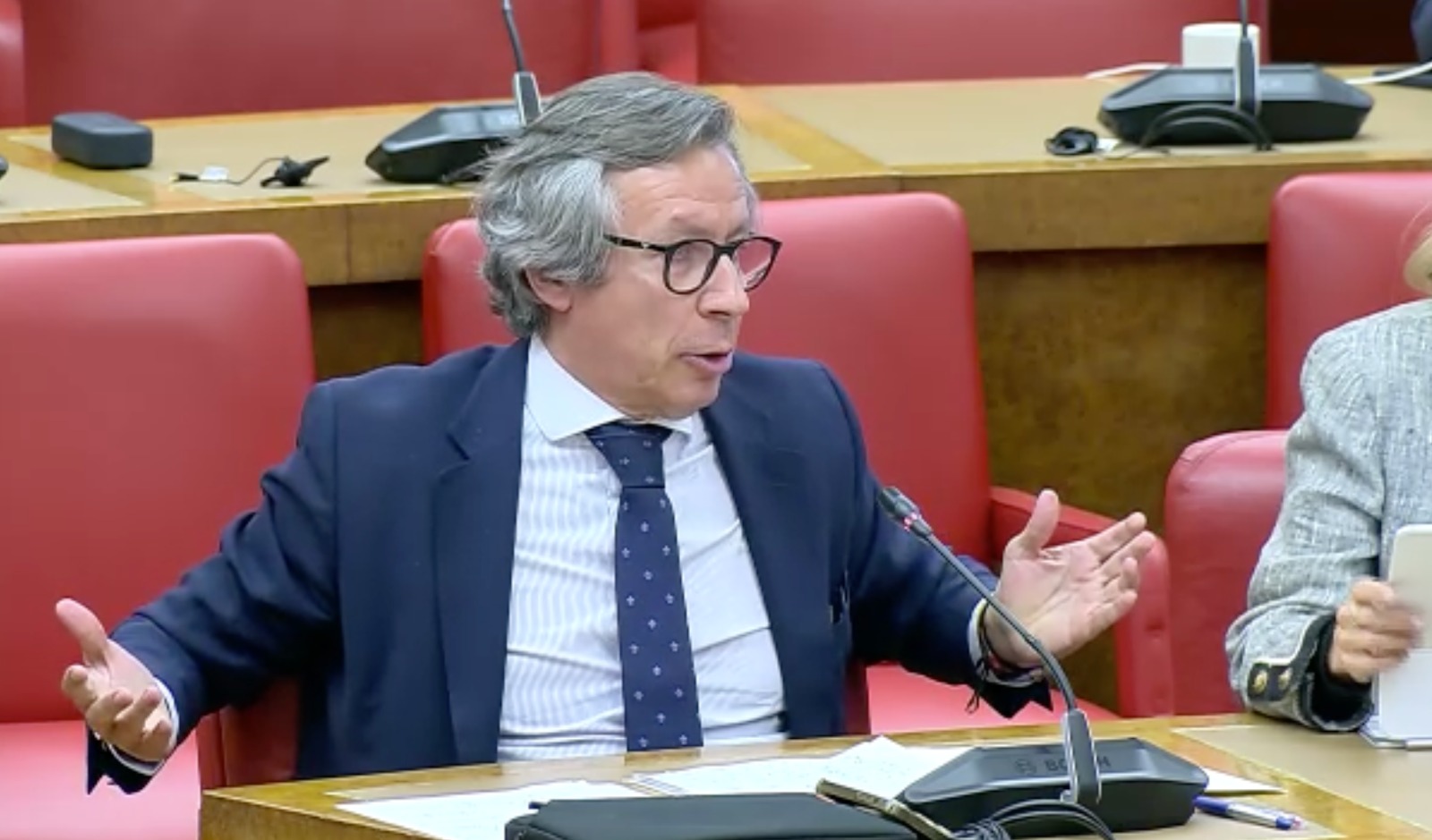
Brexit had represented the best opportunity in centuries to further Spain’s sovereignty aspirations over Gibraltar, but the Socialist-led coalition government of Pedro Sanchez had “thrown it out the window”, said Carlos Floriano, the PP spokesperson on the committee.
“It’s not that you lost in a difficult negotiation, it’s that you didn’t even try,” Mr Floriano said.
The Spanish Government, he said, had recognised “de facto” the UK’s sovereignty over the isthmus and enabled Gibraltarians to improve their circumstances in the EU even after the UK had left the bloc.
“The colony gets all the benefits of the European Union and the UK its military base and port and a military airport on illegally occupied territory, as well as a special transit status for military personnel, their families and guests,” he said.
“In other words, Gibraltar and the UK are better off than before Brexit.”
Mr Floriano rattled off a series of criticisms about specific aspects of the treaty, all related to age-old bugbears ranging from bunkering and land reclamation to allegations of money laundering that Mr Albares later rubbished, reminding him “please, Gibraltar is on the FATF whitelist”.
The PP MP also referred to fuel exports from Gibraltar to Spain that have surged in recent years and questioned why.
“You’re hiding something and I know this because there is no other sensible explanation for what you’ve done,” he told the minister, adding the concept of shared prosperity was “a pantomime” and the deal “a fiasco”.
On the Spanish Schengen controls at Gibraltar airport, he said this was based on a model that existed elsewhere including cross-Channel controls by the UK and France, adding it was “control without sovereignty”.
Mr Albares had said Madrid would have control over the flow of people, but Mr Floriano said this amounted to Spanish officers conducting “an operational task in an airport on a space illegally occupied by the UK”.
Mr Floriano said the treaty did nothing to address differences in corporate taxation rates, adding this “invisible frontier” had been left untouched.
He was aggrieved too that the treaty was being handled as an EU-only agreement and would not be voted on in the Congress or any other EU national Parliament.
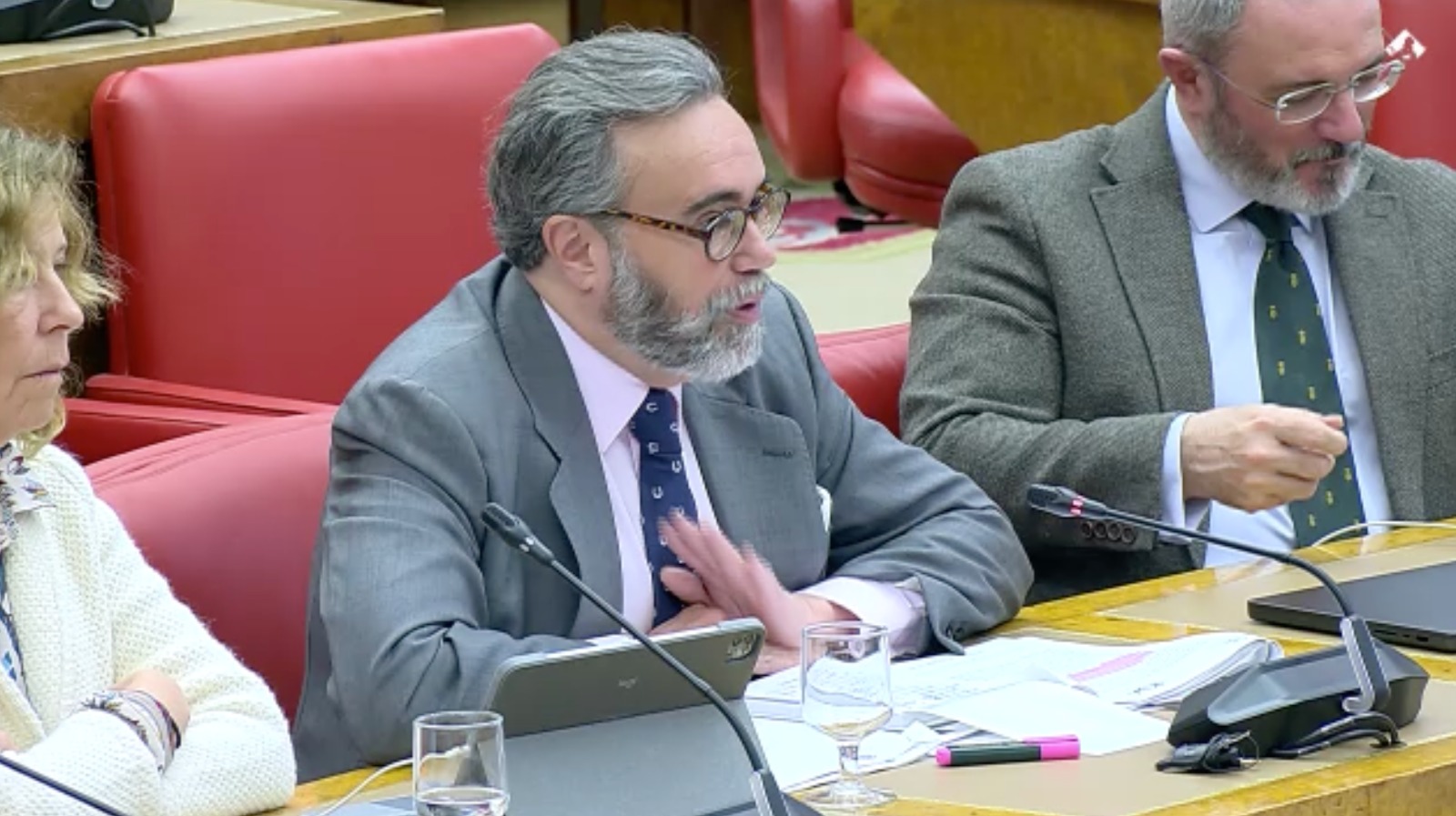
That was a theme later picked up by the Vox MP Jose Maria Sanchez Garcia, who was apoplectic on this point and sought to give Mr Albares a lesson on EU procedure and law, only to be rebuffed by the minister who reminded him that it was not just the Spanish Government that believed the treaty was an EU-only agreement, but also the other 26 member states in unanimity and following a lengthy discussion on the law.
In an intervention laced with personal jibes, Mr Sanchez Garcia said Mr Albares’ words were “an insult to the intelligence and national dignity” of Spain, describing him as the “worst” Foreign Minister in the country’s modern democratic history.
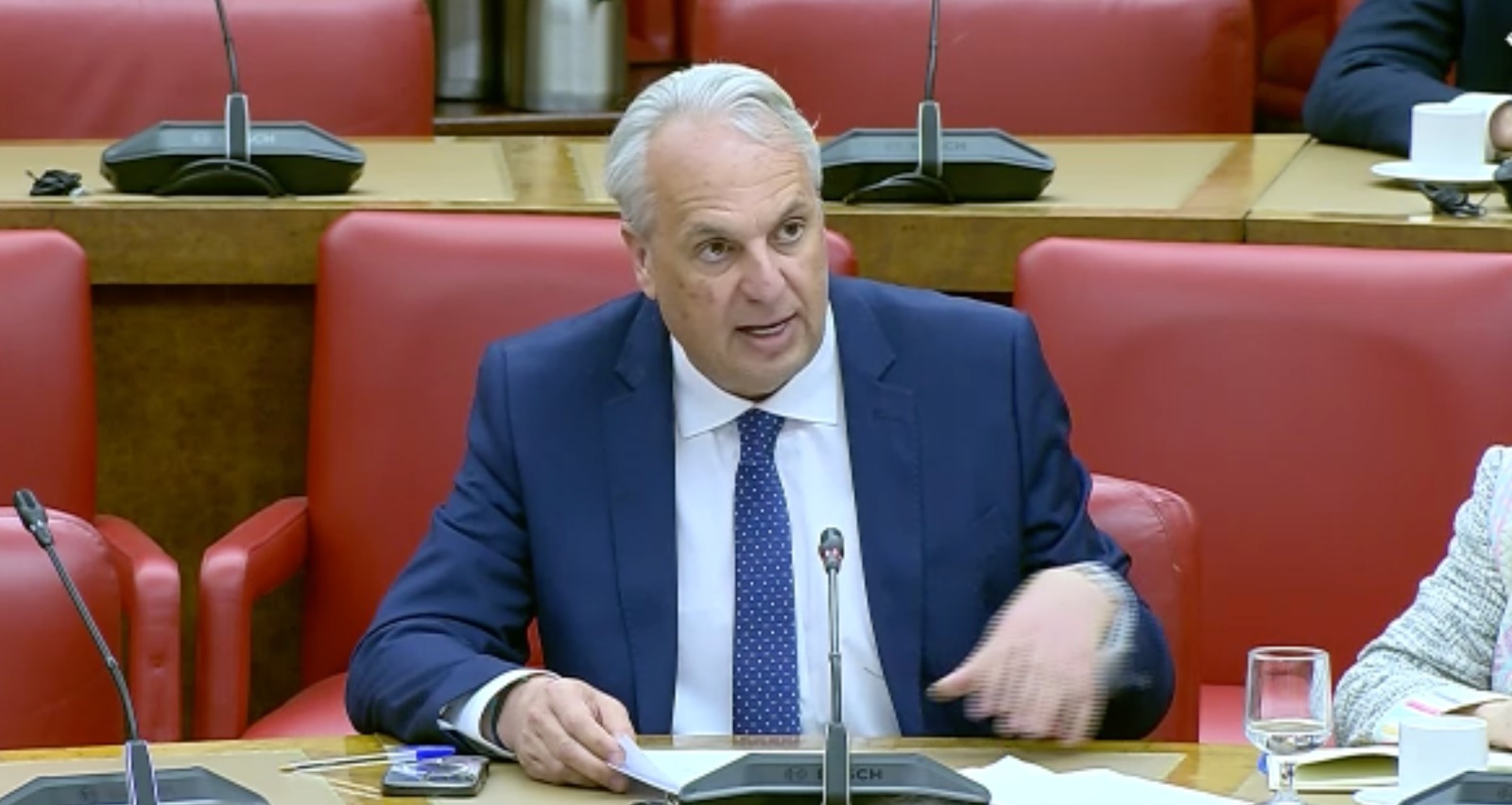
Juan Carlos Ruiz Boix, the PSOE MP who chairs the committee and is also mayor of San Roque, said Vox’s position was just “noise”, while the PP was adopting “cowardly ambiguity” on an agreement that would benefit communities in the Campo, protecting employment and businesses without compromising on sovereignty.
The alternatives available were “an agreement or chaos, a solution or a problem”, he said.
“The PP knows this is a good agreement but doesn’t have the courage to say so” for fear of upsetting the far right.
He challenged the party to make clear its position in the European Parliament ahead of the Andalusian regional election on May 17.
Agustin Santos, an MP for Sumar and a former Spanish ambassador to the UN, said the treaty was “a gigantic step forward” for relations between the Gibraltar and the Campo that had no impact on Spain’s sovereignty position, something he was well acquainted with from his former diplomatic role.
He reminded the Congress that it was during the PP government of Jose Maria Aznar that the UK had given Gibraltar the double-lock commitment on sovereignty after the joint sovereignty episode, under which the UK will neither change or even discuss the Rock’s sovereignty against the wishes of the Gibraltarians.
Against that context, he added the agreement avoided friction and conflict with the UK and instead created a framework for dialogue and cooperation.
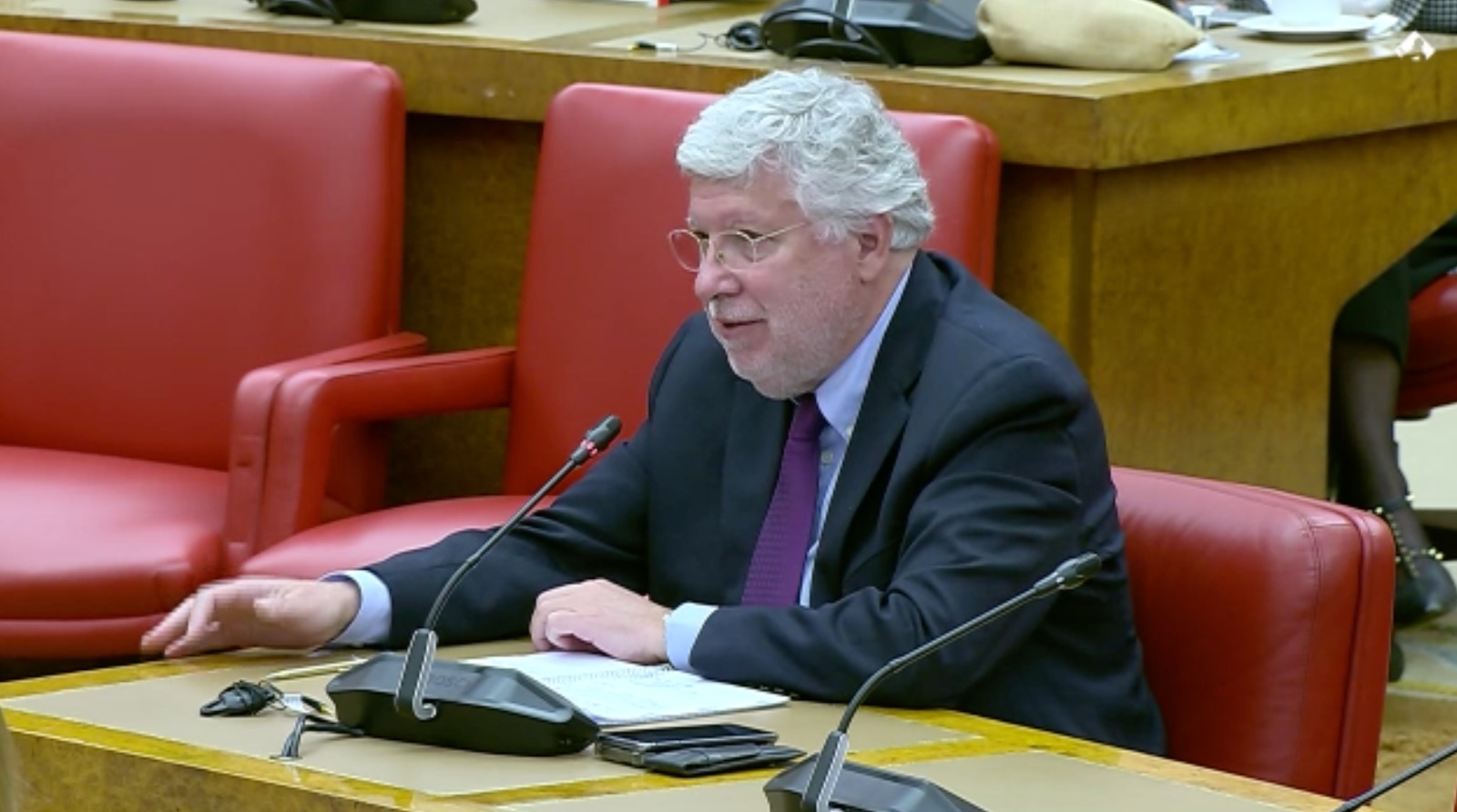
The agreement was also welcomed by the Basque EH Bildu, whose MP Jon Iñarritu said it was a positive step that offered an “opportunity for normality” to Gibraltar and the Campo.
He said too that the agreement should be a step towards “the recognition of the people of Gibraltar” and away from stale arguments on sovereignty that would lead nowhere.


