


Historian identifies SS Utopia victims in decade-long study
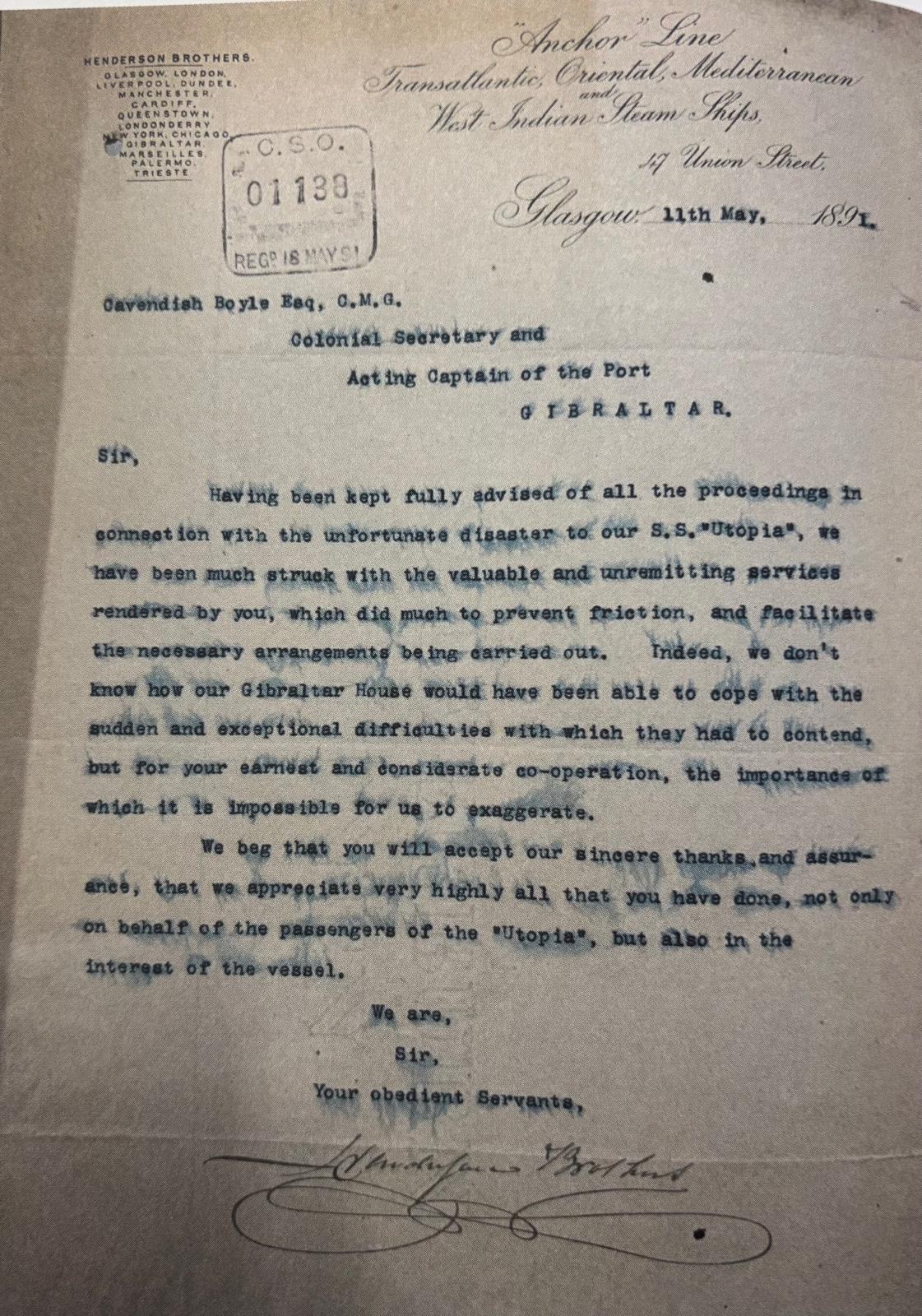
Register of burials in Gibraltar of people from the SS Utopia.


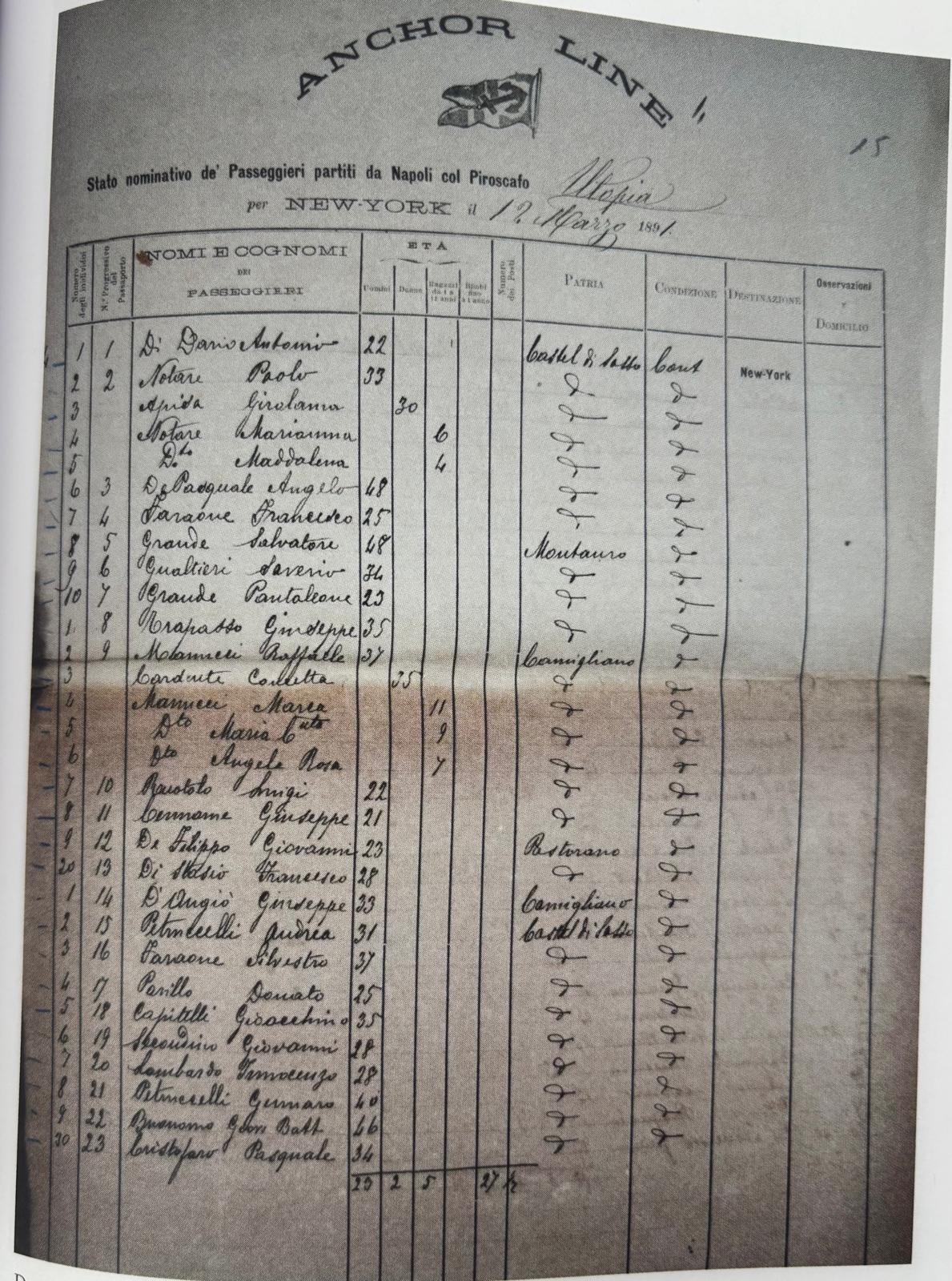
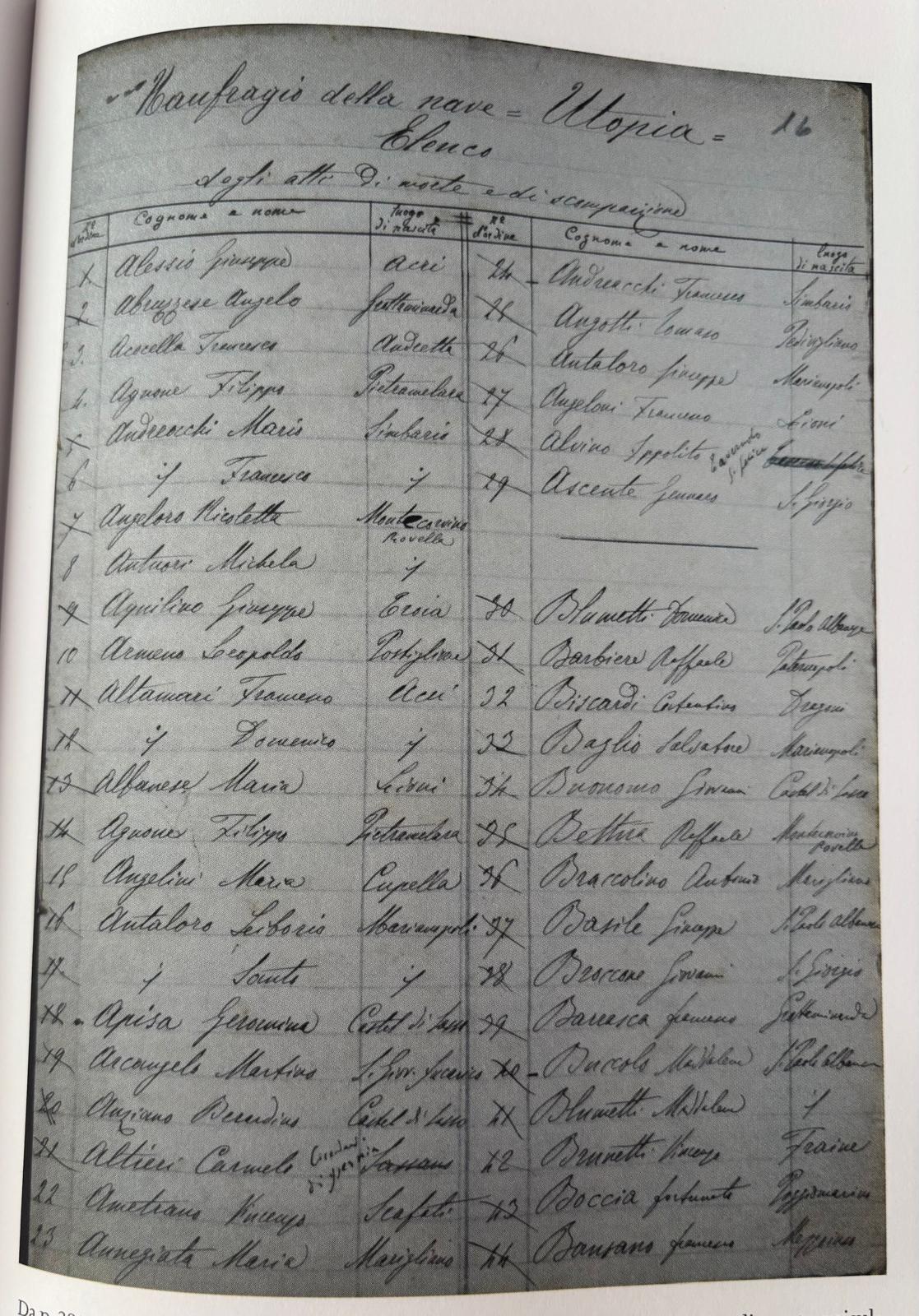
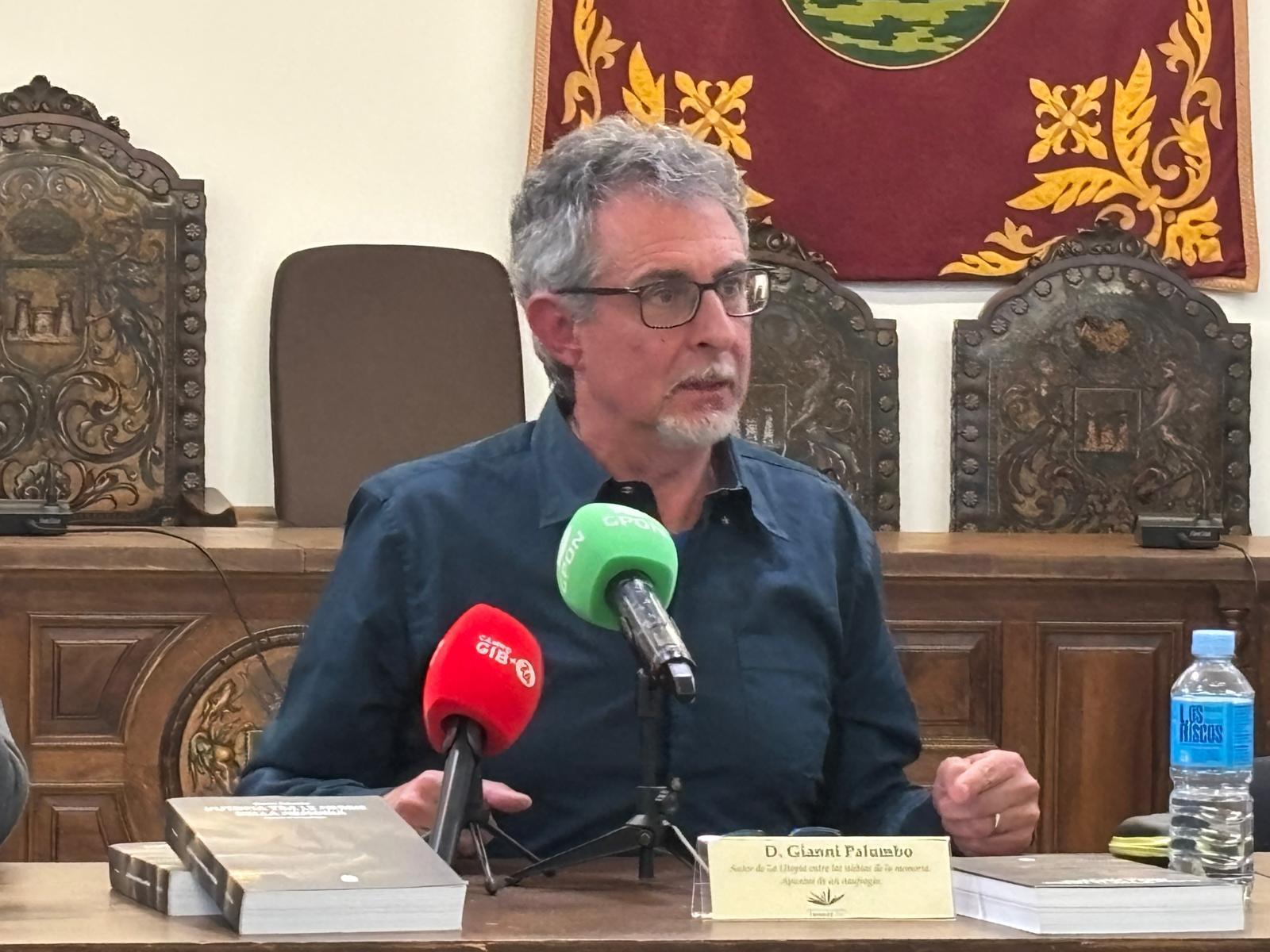
Italian historian Gianni Palumbo has reconstructed what he says is the first complete list of the victims of the SS Utopia disaster, identifying around 950 people who were on board the steamship when it sank in Gibraltar Harbour on March 17, 1891.
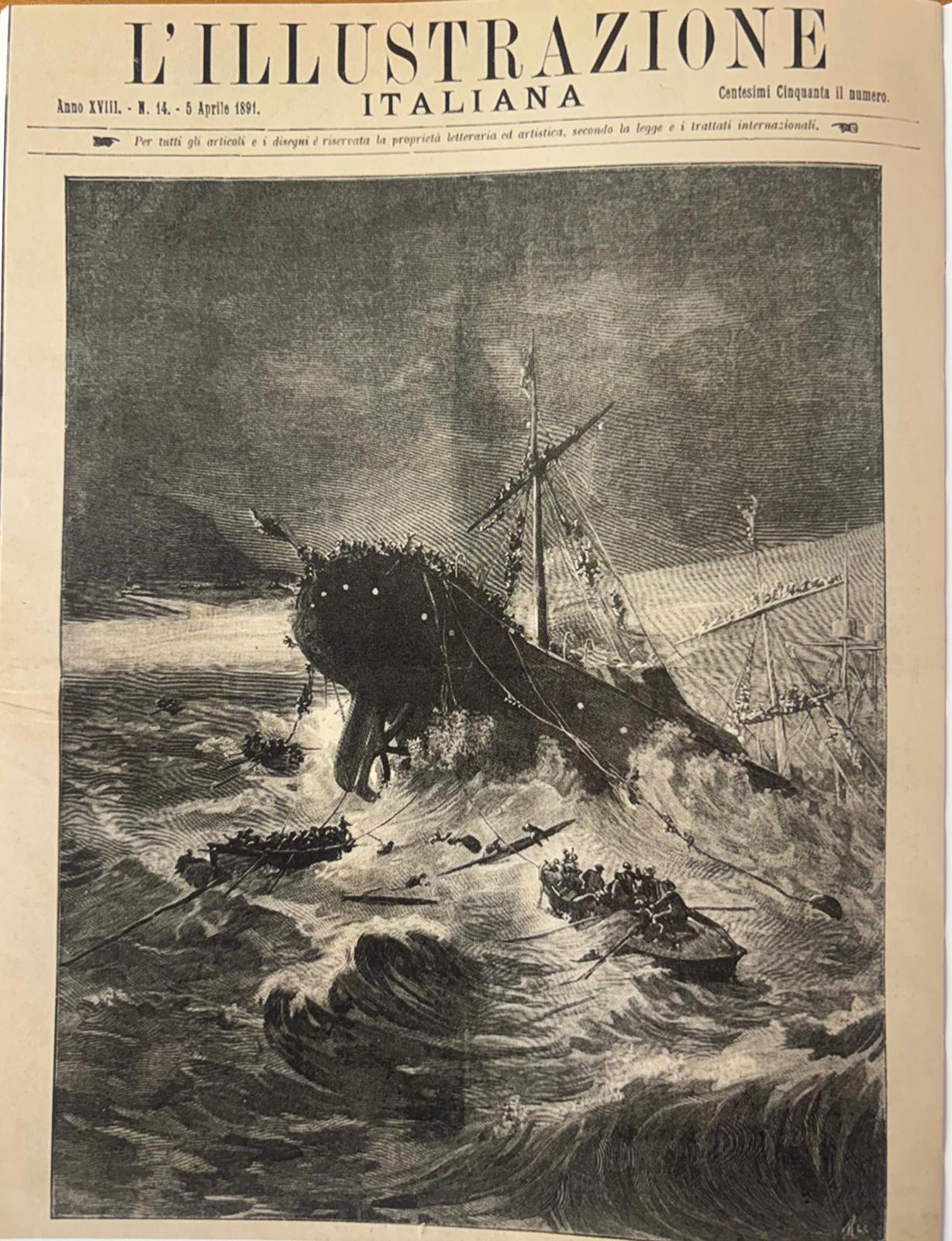
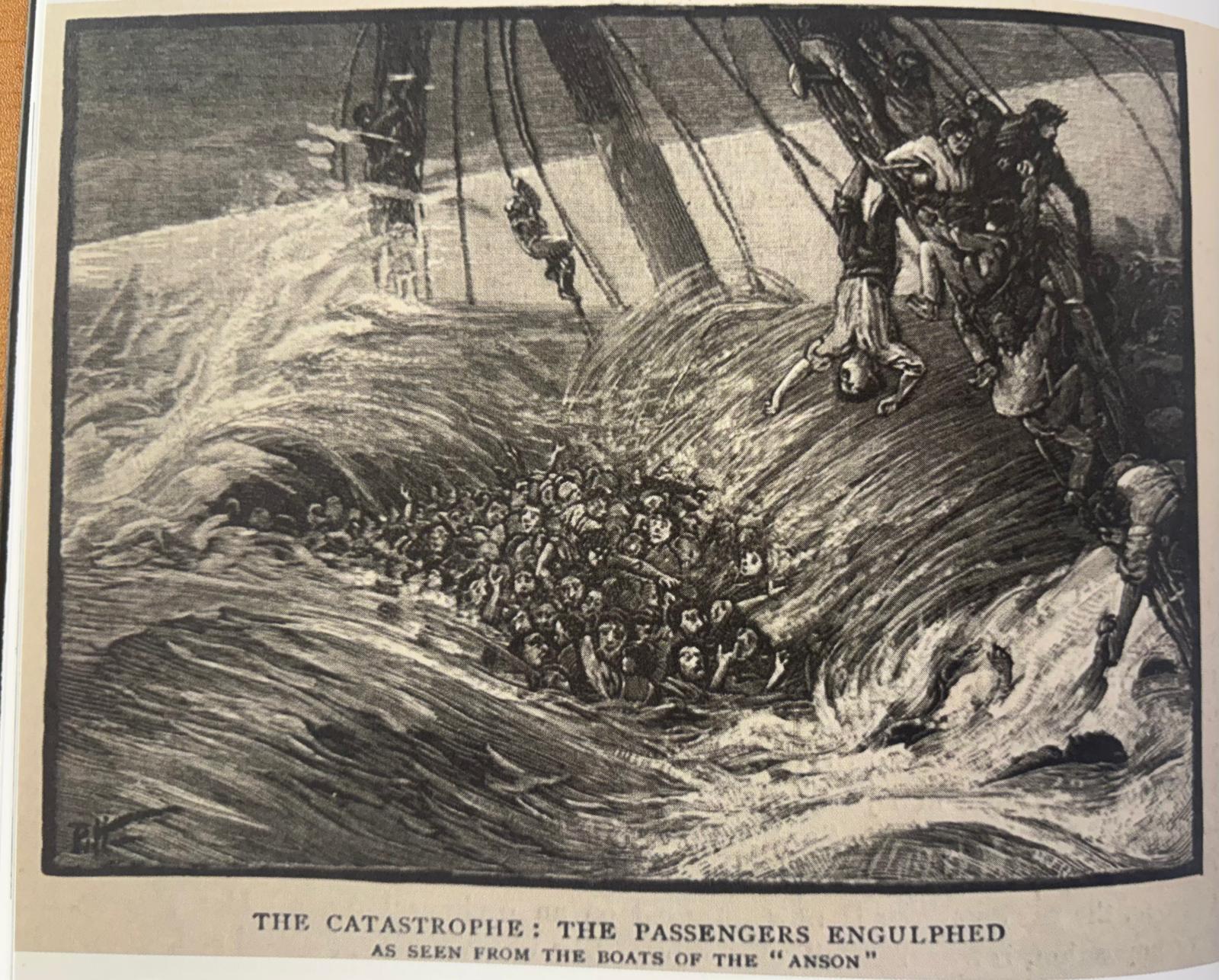
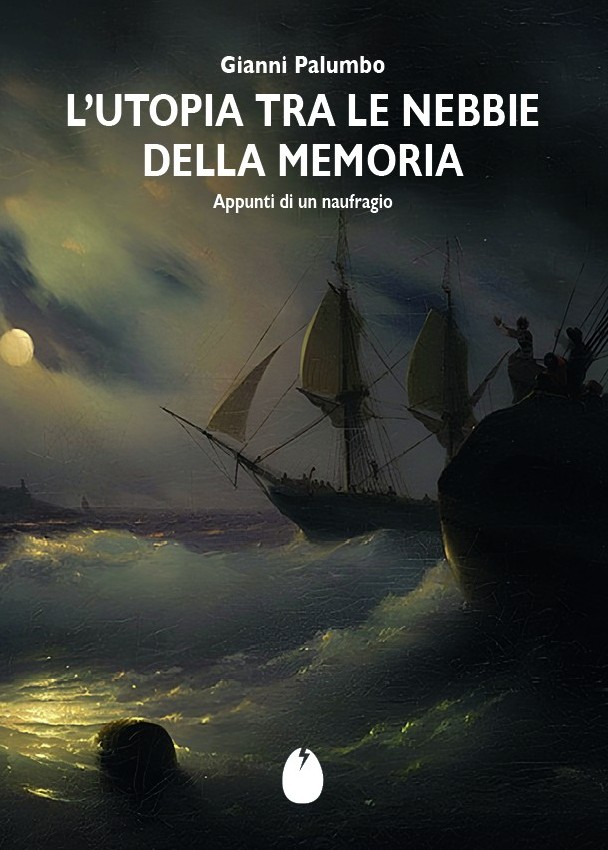
His research, published in the book L'Utopia tra le nebbie della memoria. Appunti di un naufragio, concludes that there were around 60 more people on board than officially recorded, including crew members and some unregistered passengers. More than 600 people died after the vessel collided with the Royal Navy battleship HMS Anson while attempting to enter Gibraltar Harbour during a severe storm.
The findings are the result of more than a decade of research into the causes of Italian transatlantic migration, the work of migrant agents, and the experiences of Italians who settled in the United States, digging into archives in Palermo, Naples and Gibraltar, as well as the records held at the Cathedral of St Mary the Crowned.
Mr Palumbo said the passengers were predominantly Italian migrants heading to New York in search of a better life during a period of mass emigration from southern Italy.
A substantial section of his book reconstructs the SS Utopia's final voyage, which began in Trieste on February 25, 1891, before calling at Fiume, Palermo and Naples en route to Gibraltar.
According to Mr Palumbo, the vessel had not originally intended to stop in Gibraltar but diverted to refuel because coal was cheaper on the Rock than in southern Italy.
“The SS Utopia was not meant to dock to refuel in Gibraltar, but it did because the quality and price of coal in Gibraltar was much better than that he could acquire in southern Italy,” he said.
The collision with HMS Anson occurred as the ship attempted to dock in rough seas.
“It was the worst maritime disaster before the Titanic [in 1912], and it was terrible,” he said.
“It heavily affected Italian society at that time, but not enough to reduce the huge migratory surge that had been happening from 1860, the time of Italian unification, up to the start of the First World War in 1914.”
The book also examines the court proceedings that followed the disaster, concluding in 1899, highlighting how the meagre compensation awarded to the families of third-class passengers reflected the limited value attached to their lives.
Mr Palumbo notes that the Gibraltar coroner attributed the disaster to poor weather and limited visibility, while the British Marine Court concluded that the Utopia’s captain, John McKeague, had made a serious error of judgement but was not guilty of incompetence, negligence or wilful misconduct.
However, a civil court in Naples later found both the captain and the owners Anchor Line jointly liable because of recklessness and negligence. The judgment, which was upheld on appeal, cited inadequate lifesaving equipment and the decision to sail with insufficient coal.
Mr Palumbo is now working with Protección Histórica Linense to develop a memorial dedicated to the victims of the SS Utopia and others who have lost their lives crossing the Mediterranean.
“Starting with the sinking of SS Utopia, that memorial would be for all the castaways of Mediterranean, for all the people crossing that sea,” he said.
“We’ll try to cross the public and private interest. The idea likes to all the institutions, but we must develop it with a definitive project.”
Historic telegram rescued from rubbish dump
The research that led to Gianni Palumbo's reconstruction of the SS Utopia disaster began with the discovery of a telegram that had been discarded in a rubbish dump.
The message, sent in 1891 by the parish priest of the Cathedral of St Mary the Crowned in Gibraltar to his counterpart in Pomarico, southern Italy, read:
“Here, four citizens of Pomarico dead. Notify the mayor. Translate from Latin into Italian.”
Mr Palumbo found the telegram in 2015 after Pomarico began recovering its historical archive, which had previously been thrown away.
“We rescued an enormous amount of documentation, including this document,” he said.
“At that moment, my friend, the archivist, said to me: ‘Gianni, this is an incredible story.’”
The discovery prompted more than a decade of research, during which Mr Palumbo cross-referenced civil, church and maritime archives to identify those who died in the disaster.
The SS Utopia struck HMS Anson while entering Gibraltar Harbour on March 17, 1891, and sank with the loss of more than 600 lives.
Although often compared with the Titanic because of the scale of the tragedy, the SS Utopia disaster remained widely forgotten for more than a century before Mr Palumbo's research brought many of its victims back into the historical record.
Most Read
Local man arrested on suspicion of assisting illegal immigration after port incursion incident
Fri 4th Sep, 2026
Potential for new flights prompts Gib to discuss airport parking with La Linea
Mon 24th Aug, 2026

Today's Paper
23rd July 2026
Read our latest newspaper by downloading our app from the link below.


