TRAVEL Tetouan, the White Dove of Northen Morocco
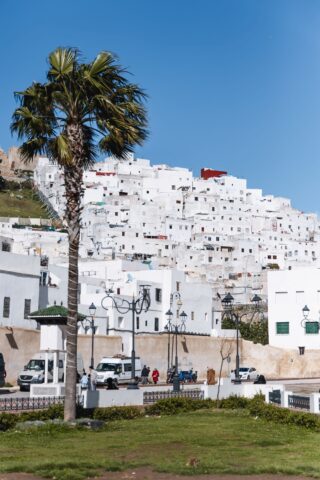
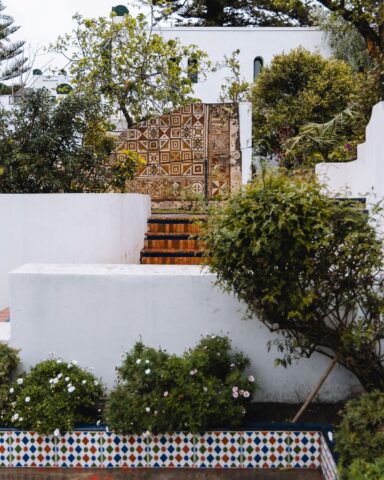
Feddan Park landscape.


By Penelope Bielckus Blackburn
It was the kind of flight that makes you wonder why you even bothered to fly in the first place. I'm fairly certain the cabin crew had to sprint the drinks trolley up and down the aisle before the overhead lights were blinking again, telling us to fasten our seat belts.
After one of the shortest flights I've ever taken, we landed in a part of Morocco I hadn't visited before. Tetouan's airport is small, so after a brief questioning from immigration, we found ourselves outside at the taxi rank.
"Bchhal?" I asked, dredging up my very limited Darija as I showed the driver our hotel on Google Maps.
He answered, and I swiftly realised there was a significant flaw in my plan. My vocabulary did not stretch to the price he’d just informed me.
"Español?" he asked.
"Ana min Jbel Tariq," I replied. I'm from Gibraltar.
Then, just to manage expectations, I added, "Pero schwiya Darija. Schwiya, schwiiiiiiiya Darija."
With the fare confirmed in Spanish, we began our way towards the city. I'd been in Morocco for less than an hour, and my Darija had already proved both useful and completely useless.
Tetouan is just 60 kilometres directly south of Gibraltar, where centuries of Spanish influence have left their mark on everything from the architecture to the food. Despite being one of Morocco's UNESCO World Heritage cities, it receives just a fraction of the visitors heading for Marrakech or Fes.
Many people can immediately name Morocco’s Blue City, but far fewer have heard of Tetouan’s nickname: the White Dove of Northern Morocco.
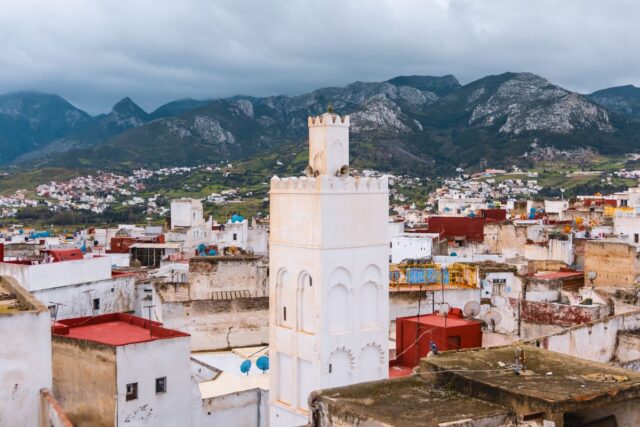
It conjures images of the pueblos blancos of Andalusia, and that’s no coincidence. After the fall of Granada in 1492, thousands of Muslim and Jewish refugees settled here. They brought with them architecture, crafts, and traditions of Al-Andalus, and left a legacy that’s still visible more than five centuries later.
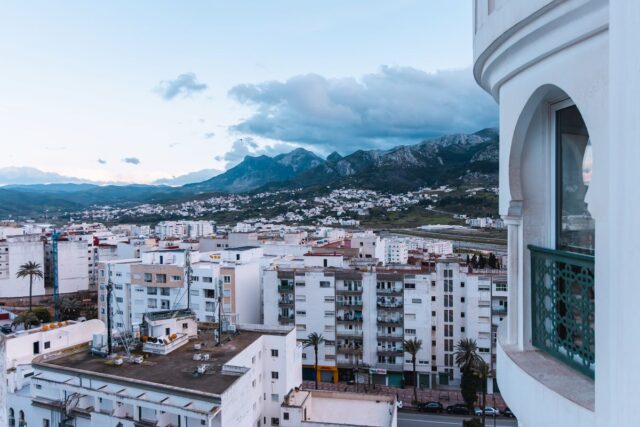
Standing in Feddan Park, the old city’s whitewashed buildings climbing the hillside in front of me and the dramatic slopes of the Rif Mountains to my back, it was impossible not to notice the similarities with Tetouan’s architectural cousins across the Strait.
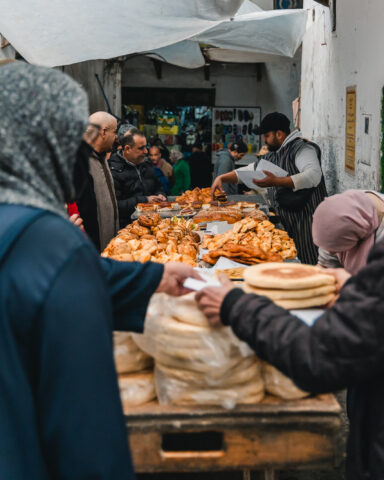
One of my favourite things to do in any new city is to join a walking tour, and I’ve always found it particularly valuable in Morocco. Medinas are much easier to navigate with someone who actually knows where they’re going, rather than discovering you’ve become spectacularly lost with little phone signal to help you find your way back out.
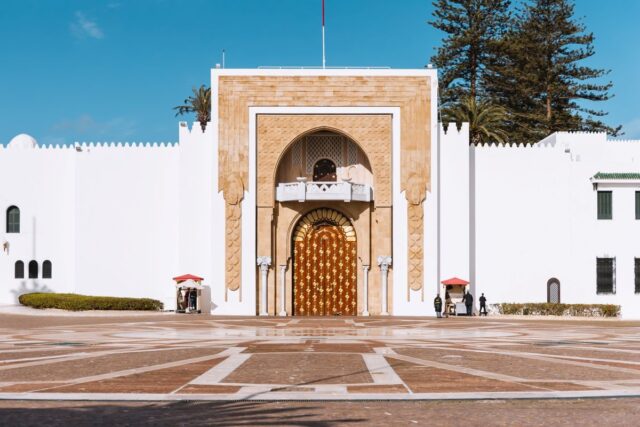
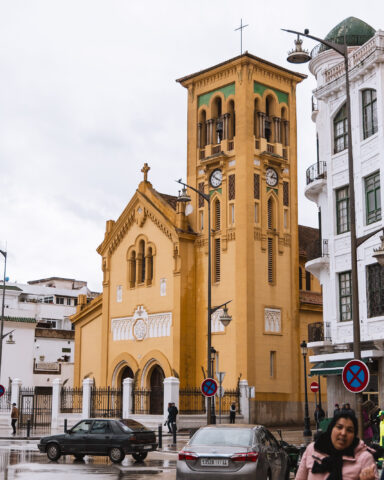
We met our tour guide, Hamid, outside the Church of Our Lady of Victories. Its striking Andalusian-Moorish façade stands in the heart of Tetouan’s Ensanche, the district built while the city was the capital of the Spanish Protectorate of Morocco in the 20th century.
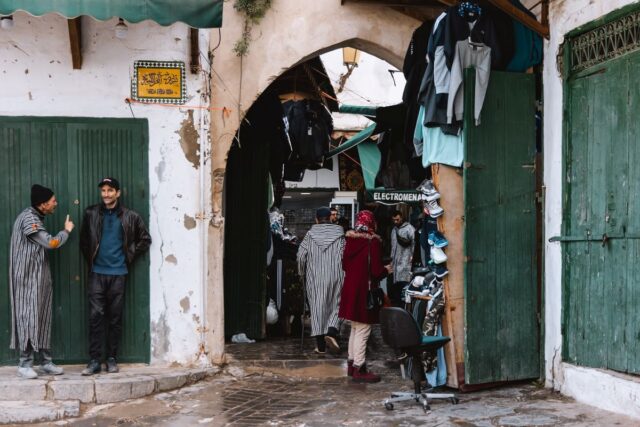
Leaving the wide boulevards of the Ensanche behind, we stepped through one of the seven historic gates that once sealed off the Medina each night.
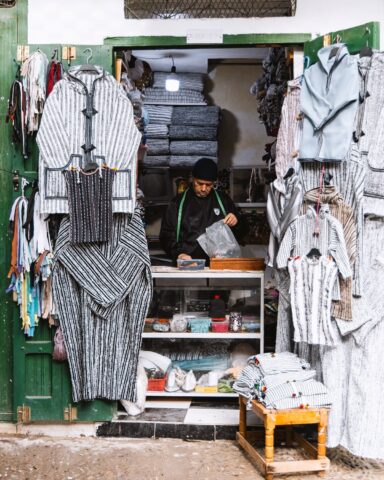
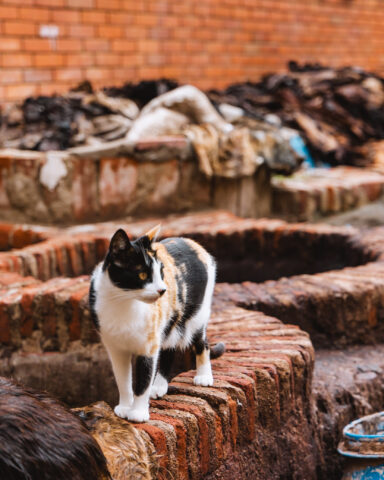
Within minutes, I knew I had made the right decision. Every turn through the UNESCO-listed old city came with another story, and quite often another friendly cat. Which, in my opinion, is never a bad thing.
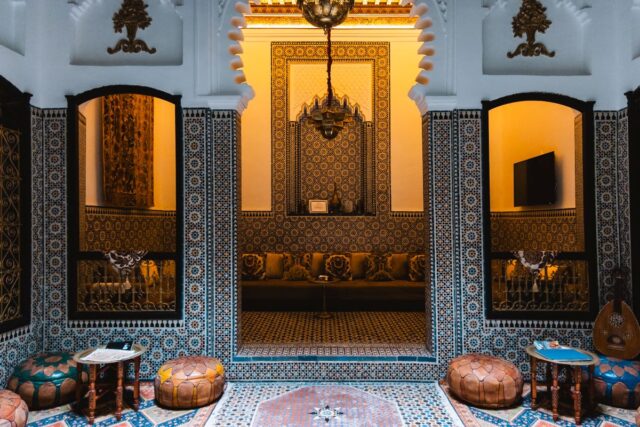
Hamid led us to places I never would have known to visit, including the elegant 19th-century Riad El Manantial, now firmly on my list for my next visit to the White Dove city.
One of the most fascinating stops was the Mellah, Tetouan’s former Jewish Quarter. Our visit coincided with Ramadan, and we had experienced our first iftar at our hotel the night we arrived, making Hamid’s next story even more fitting.
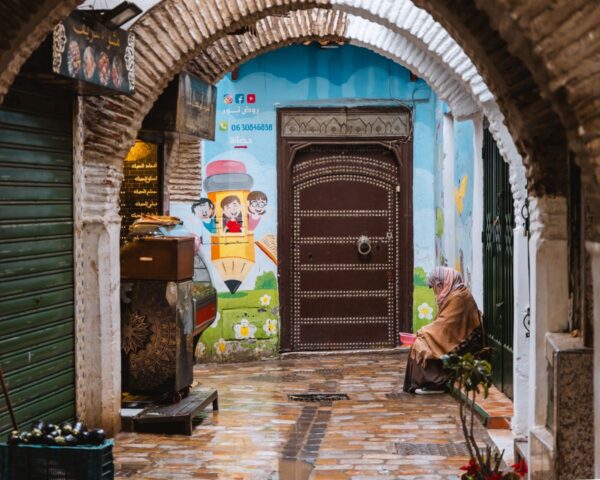
"The Muslim houses were painted one colour and the Jewish houses another,” he explained, as we walked the quiet streets. “When the musaharati went door to door before dawn to wake people for suhoor, they knew which homes not to disturb."
I’d noticed the different coloured doors elsewhere in Morocco, but I’d never realised there was a story behind them.
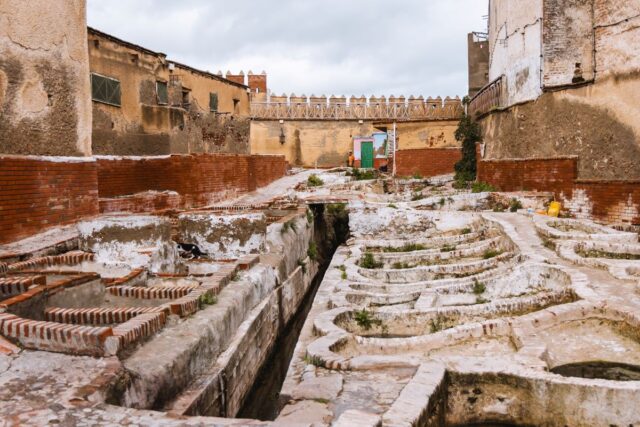
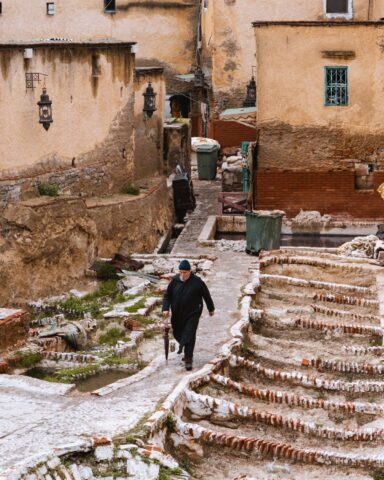
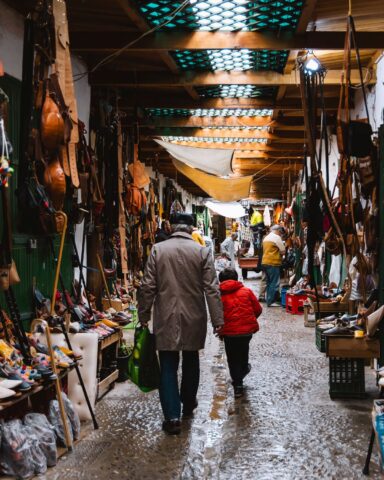
Tetouan’s tanneries may be smaller than those in Fes, but they’re also far less overwhelming, making it easier to appreciate the centuries-old craft still taking place there. The archaeological museum provides another perspective on the city’s past, with beautiful Roman mosaics dating from the second century AD.
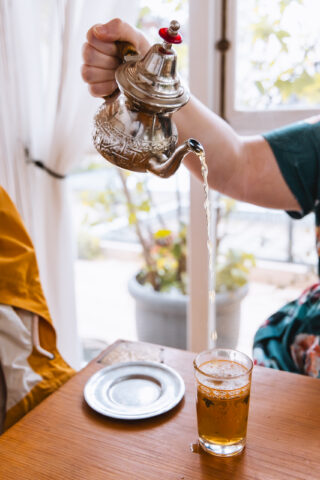
Finally, no trip to Morocco can be considered complete without enjoying at least one pot of mint tea. After a few hours of walking around the Medina, we stopped at El Reducto for mint tea and Moroccan pastries. If, like me, you prefer your tea a little less sweet, “schwiya sukkar” proved one of the most useful phrases I picked up.
Marrakech and Fes might draw the much larger crowds, but Tetouan is not to be overlooked. For those of us living just across the Strait, it’s a reminder that some of Morocco’s most fascinating places are much closer than we might think.
Ryanair and Royal Air Maroc operate flights from Malaga to Tetouan. Buses also run from Tangier to Tetouan. Hotel Al Mandari or Riad El Manantial are both recommended to stay in Tetouan.
Instagram: @theflyawaygirl