


UK Parliament briefings suggest ‘very positive support’ for UK and EU Gibraltar treaty, with caveats
Photo by Brian Reyes. uK photos courtesy of Gibraltar Government.


The UK/EU treaty on Gibraltar enjoys “very positive support” in both Houses of the UK Parliament.
The message came from Sir Bob Neill, a former veteran Conservative MP and Freeman of Gibraltar who enjoys wide respect in Westminster and is an advisor to the Gibraltar Government.
In recent days, Sir Bob and Jonathan Scott, Gibraltar’s UK representative, have been engaged in briefings with key committees in both the House of Commons and the House of Lords.
On Wednesday they met with Lord Stirrup, the new chair of the European Affairs Committee in the House of Lords, and his team.
This is one of the parliamentary oversight committees that will scrutinise the treaty and will play an important role as it progresses through the UK Parliament.
Mr Scott told the Chronicle Lord Stirrup’s previous RAF service in Gibraltar provided valuable context for discussions on the treaty’s operational implications, including around border fluidity and cross-border workers.
The Gibraltar Government has committed to keeping the committee informed as matters progress.
“There’s very positive support for the treaty in the meetings that we've been having with members of both houses of Parliament,” Sir Bob said.
“They're very positive.”
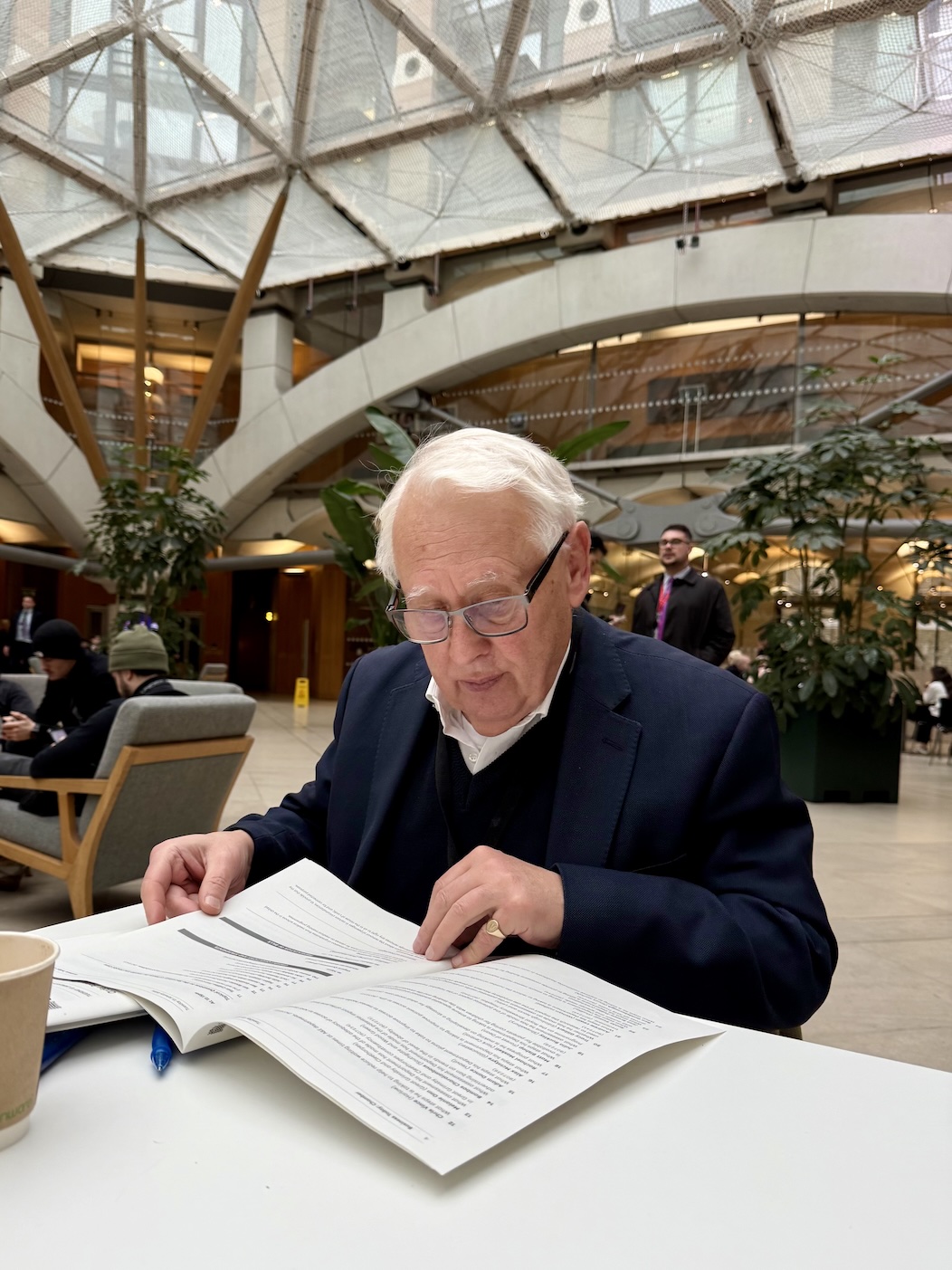
“Everybody recognises that it's absolutely in Gibraltar's interest to have a good and effective deal, particularly to ensure a cross flowing frontier, but at the same time respecting Gibraltar's British sovereignty and British identity.”
“Those are the red lines that both the UK and Gibraltar have had and the good news is that hasn't changed since the change of government [in the UK].”
“The current government is as committed as the previous one to protecting Gibraltar's British sovereignty but also getting a deal that works, and supporting the Gibraltar Government in getting that deal, making sure that if it's acceptable to Gibraltar.”
“Then Britain will stand behind that and I'm very optimistic. We're making good progress there.”
Sir Bob’s standing across both Houses of Parliament and deep understanding of Gibraltar’s unique circumstances “remain essential” as Gibraltar works to ensure the treaty is understood in Westminster, Mr Scott said.
CAVEATS
Despite the upbeat note from the Gibraltar team, it was clear on Wednesday that some Opposition MPs were less than happy with the UK Government’s approach to the treaty.
Conservative MP Wendy Morton, the shadow Minister for Europe, wrote to Foreign Secretary Yvette Cooper seeking “urgent clarity” on the treaty and raising concerns about a “continued lack of clarity” that meant MPs were learning about the treaty through Gibraltar media.
She said “despite repeated efforts”, Parliament had received no formal communication from the UK Government on the treaty.
Ms Morton noted Gibraltar Government briefings and said the absence of any UK ministerial explanations on the treaty made it “all the more concerning”.
She said there was no clear guidance on how British nationals travelling to Gibraltar would be treated in practice.
“We are also concerned by the lack of clarity surrounding the sovereignty implications of the treaty, including the proposed role of Spanish authorities in conducting Schengen checks at Gibraltar’s port and airport,” Ms Morton wrote in the letter.
“Public assurances given previously about full UK control appear increasingly difficult to reconcile with information subsequently provided by the FCDO, yet Parliament has been given no opportunity to test or scrutinise these claims.”
The letter is perhaps unsurprising from an opposition party that will look to apply pressure on the government wherever it can.
Ms Morton was in Gibraltar just last December for meetings and was briefed on the treaty arrangements.
But her letter was clear that, as far as the UK Government was concerned, she expected more.
She urged ministers to publish the treaty and debate it in Parliament “without further delay”, adding MPs “should not be expected to accept second-hand briefings and media leaks in place of ministerial accountability”.
“Parliament, Gibraltar’s residents and British citizens deserve better than silence on an issue of this magnitude,” she said in the letter.
GEOGRAPHICAL REALITY
The briefings in London come as the Gibraltar Government also steps up its engagement in Gibraltar ahead of April 10, the date when the EU’s new automated border control system will come into effect and, as a result, also the target date for provisional implementation of the treaty, even if the ratification process is not fully completed.
In recent days the Government has met with different agencies that will play a direct role in the implementation of the treaty, as well as with the business community.
Earlier this week, it also met the Opposition for a five-hour briefing on the treaty text, a copy of which has also been provided to the GSD.
All briefings are on a confidential basis.
The GSD has not yet offered its view on the treaty as it is bound by the confidentiality agreement and is still scrutinising the text in detail ahead of the debate in the Gibraltar Parliament that will initiate the ratification process in the UK.
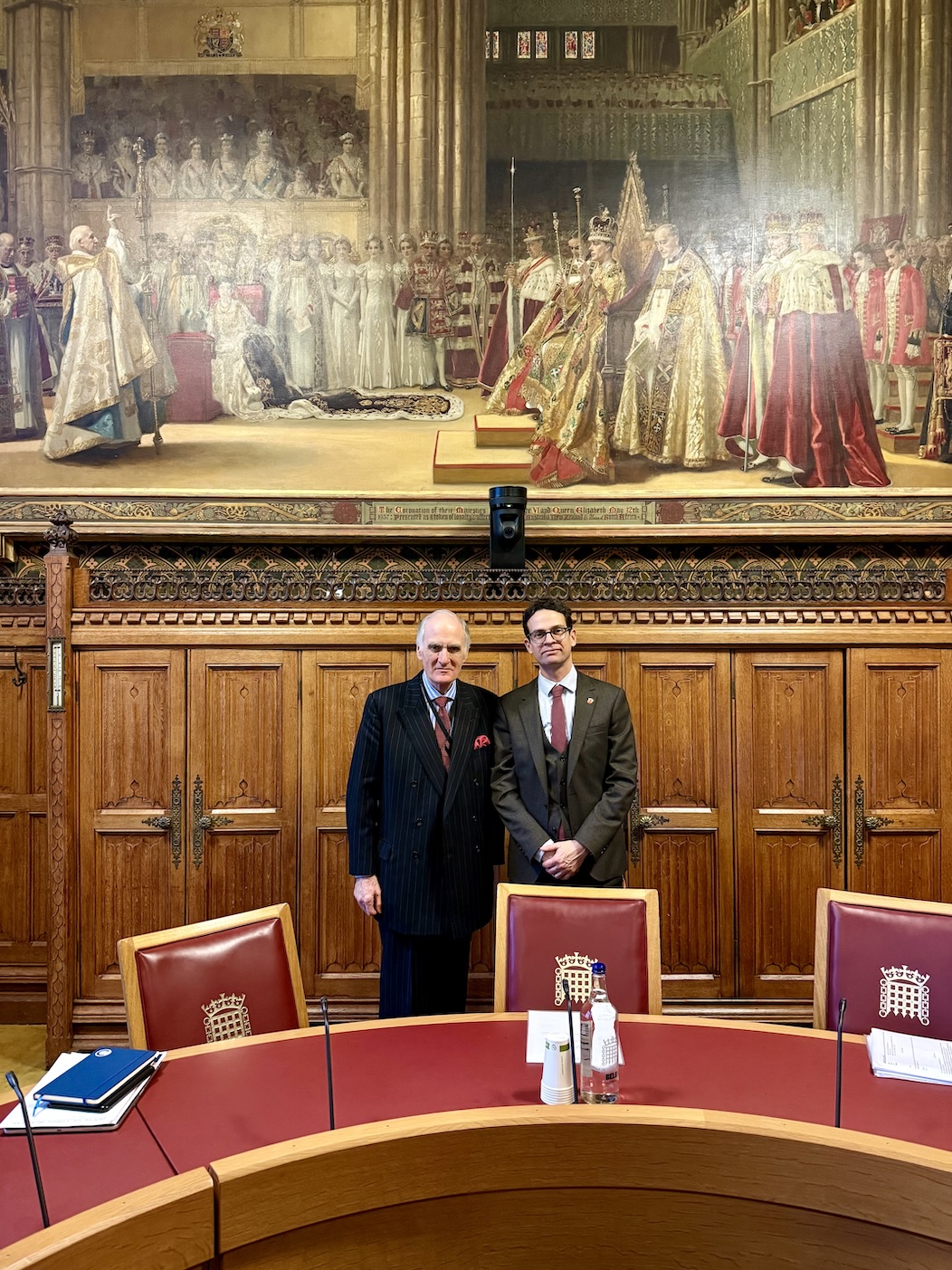
Speaking from London on Wednesday night, Mr Scott echoed Sir Bob’s assessment of the briefings to UK parliamentarians.
“As Sir Bob says, the briefings are going well in London,” he said.
“We have many friends who understand that Gibraltar’s situation and geography are different to the UK’s.”
“There is growing recognition among parliamentarians that Gibraltar’s geographic position and cross-border realities require a bespoke solution, one that builds on our relationship with the EU whilst protecting sovereignty and ensuring legal certainty”.
In the coming weeks, the Gibraltar Government will continue engagement with key committee members, MPs and party spokespersons, supported by technical briefing materials that reinforce “how the treaty delivers prosperity, fluidity and security for Gibraltar and the wider region”.


