


Ullger reflects on ‘quite special’ Berlin exhibition with Cane-Yo collective


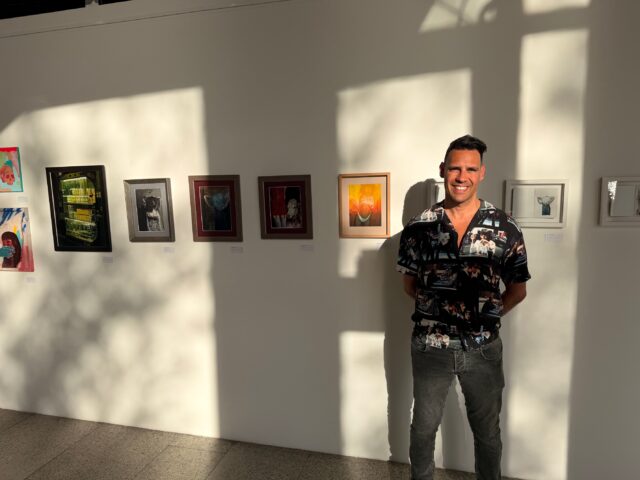
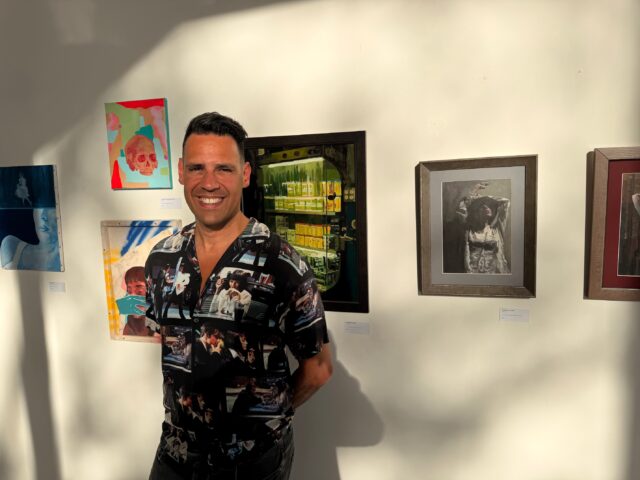
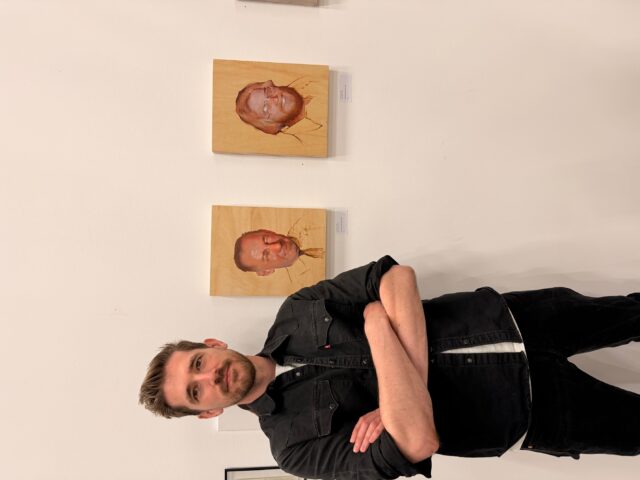
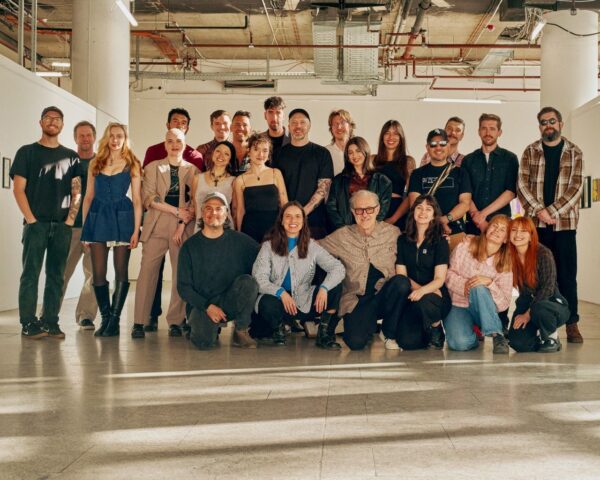
Artist Karl Ullger has recently returned from exhibiting his works in a Berlin gallery alongside over 40 artists organised under the global artist collective Cane-Yo.
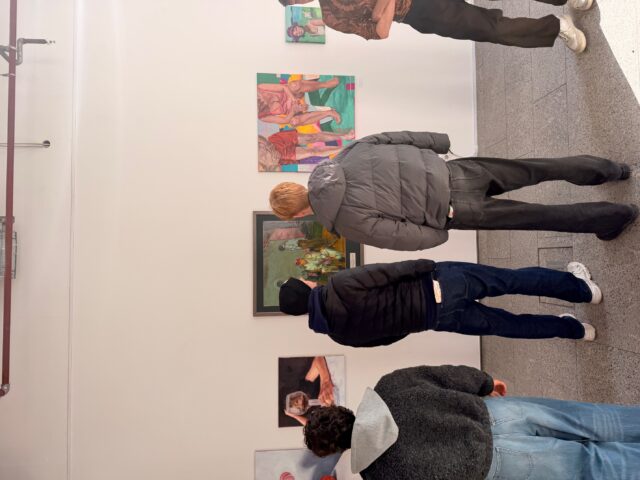
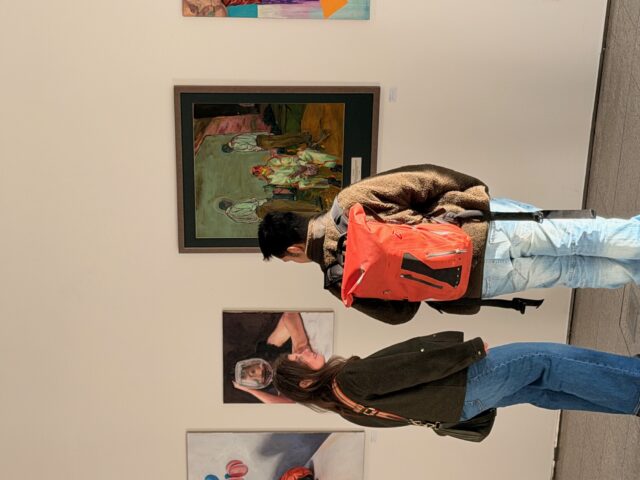
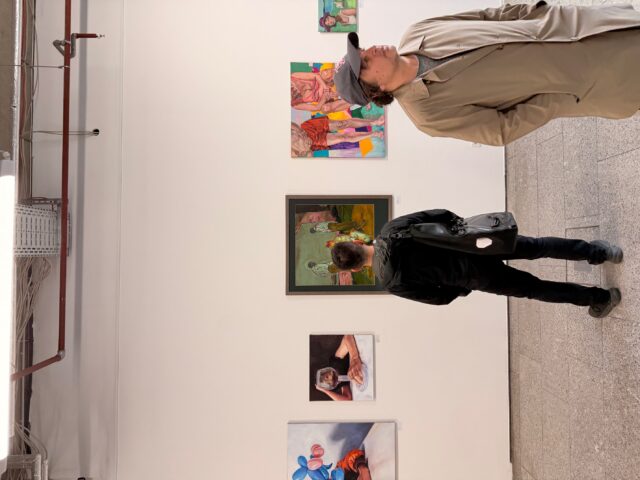
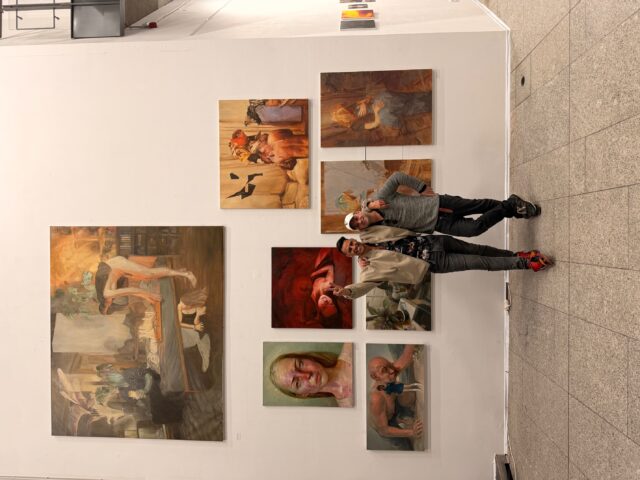
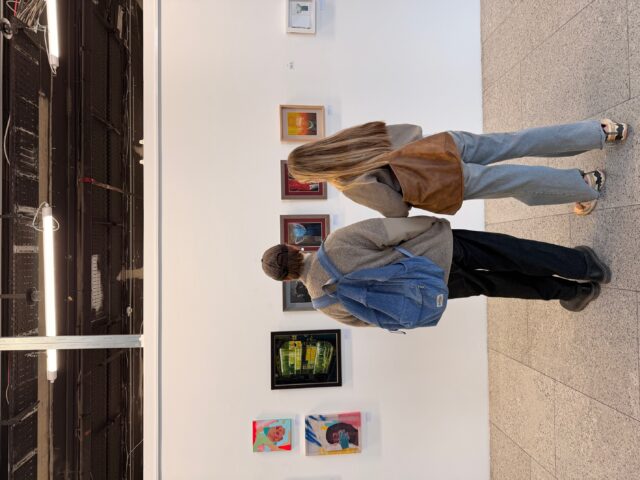
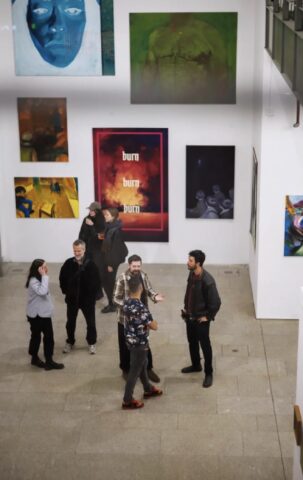
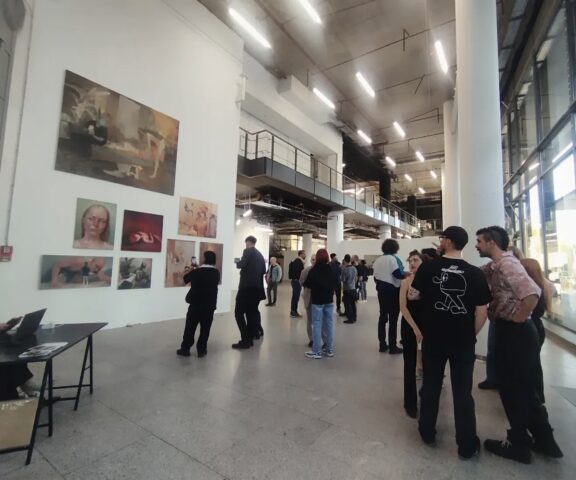
The exhibition, held at Anders Galerie in Berlin, is called Running with Scissors and included five invited Berlin artists together with around 40 members of Cane-Yo, with some 200 artworks selected to be showcased at the gallery.
Mr Ullger told the Chronicle that the exhibition was “quite a special experience”.
Tell me how the exhibition went?
The exhibition went incredibly well and, honestly, it was quite a special experience for me. Being part of Running with Scissors at Anders Galerie in Berlin with the Cane-Yo collective was probably fair to say the biggest one to date.
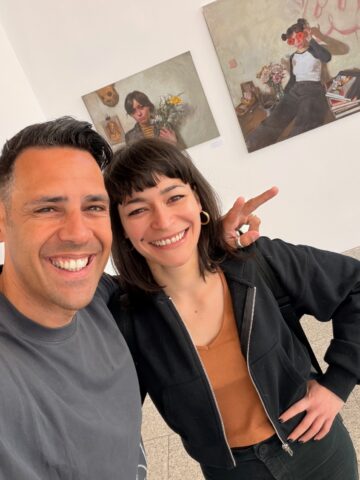
One of the most rewarding aspects was not just showing the work, but being physically present, engaging with people, and having those spontaneous conversations about the paintings. That direct interaction is something you don’t always get, and it really stayed with me.
Conversations with new artists and speaking proudly about Gibraltar was also an important part to me personally. It’s all about putting Gibraltar on the map in more ways than one.
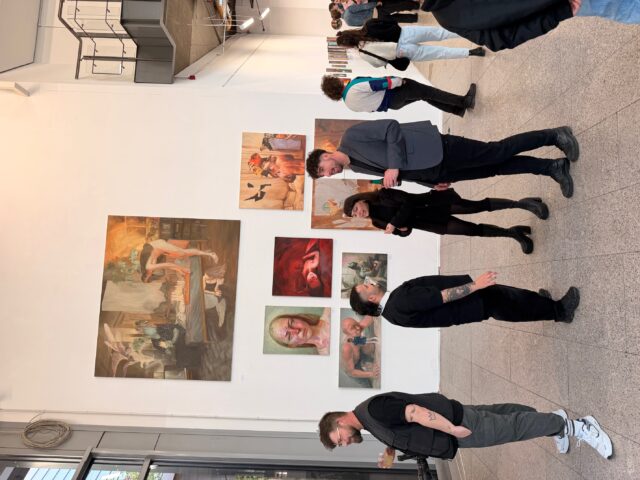
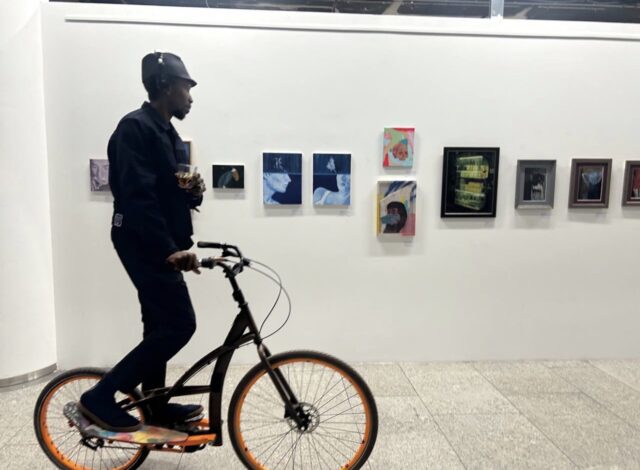
There was a real energy in the gallery space. Berlin has that reputation for being open and creatively diverse, and you could feel that in the exhibition.
With so many artists involved, it became less about individual pieces in isolation and more about a wider dialogue between different styles, ideas, and personal stories.
That’s something I’ve been leaning into more in my own practice allowing work to sit in conversation with others rather than exist on its own. The opening proved to be packed, with the timings being 6:30pm – 10pm and people still coming in at past 11pm.
Were you moved by any of the other pieces?
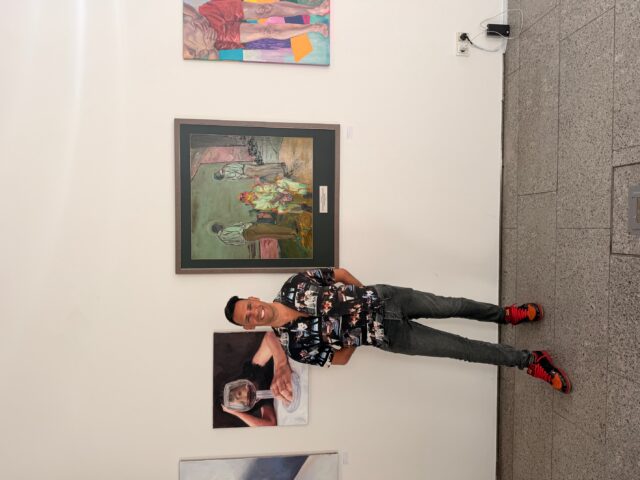
I was definitely moved by a number of the other pieces. Austrian artist, Theo Ritzinger’s painting of the elderly man with the Zimmer frame titled Depth Wish really struck me. There was something very human and honest about it, and his use of pattern alongside those layered greens created a really unique atmosphere, it felt both intimate and slightly surreal at the same time.
Chilean artist Diego Palacios’s work was also incredibly powerful. His sense of composition is fantastic, but what really impressed me was the scale, there’s a real confidence in pushing work to that size, and it completely changes how you experience it as a viewer. It almost forces you to slow down and take it in properly.
It was also great to exhibit again with award-winning Italian artist, Yasmine Elgamal, who I showed with in Belgium back in 2023. There’s something really nice about reconnecting with artists at different points in your journeys. She’s gone on to win a category in the Almenara Art Prize 2025, which is an amazing achievement especially as my own painting, Ophelia, was shortlisted in that same competition. It creates that healthy sense of mutual respect and motivation.
I also really admire Justas Pranevicius for his use of colour; there’s a confidence and freedom in his palette that I find really inspiring. And of course, exhibiting alongside good friends like Alf Sims and Alex May always adds another dimension. There’s a familiarity there, but at the same time you’re all evolving in your own ways, which makes it even more meaningful.
Not forgetting as well Shanice Farrugia and Nicole Debono who both exhibited in Gibraltar in the Ace Art Rock, Paper exhibition on our very own Rock of Gibraltar. Was great to see their new works on show in Berlin.
What response did your work get?
From the six paintings I had selected, I felt that The Quiet Inferno, my mental health piece, really resonated with people. What stood out most wasn’t just that people liked it, but that they engaged with it. They would stop, spend time with it, and then come over to ask questions or share their own interpretations of what was happening in the piece.
That’s something I’ve become more interested in creating work that invites conversation rather than giving everything away immediately. With The Quiet Inferno, people seemed to connect with the emotional undercurrent, but each person brought their own reading to it, which is exactly what I hoped for. It opens up a dialogue around subjects like mental health without being overly prescriptive.
Another piece that really caught people’s attention was Cold One (The Fridge). On the surface, it’s a very everyday, almost mundane scene, but I spoke in the interviews about my interest in elevating those kinds of moments, taking something familiar and asking people to look at it differently. A lot of viewers were drawn to the composition and lighting, and it seemed to spark curiosity about the narrative behind it.
Overall, the feedback felt very genuine. It wasn’t just passing compliments, it was people taking time, asking questions, and engaging with the work on a deeper level, which is always the most rewarding part.
What is next for you?
Looking ahead, there are a few really exciting projects coming up. In May, I’ll be part of Traces of Humanity, organised by Gibraltar Cultural Services. The exhibition is inspired by the UNESCO World Heritage site Gorham’s Cave Complex, which brings a completely different kind of historical and cultural context into the work.
As I mentioned on GBC, what excites me about this project is the challenge of responding to something so deeply rooted in human history and translating that into a contemporary visual language. It’s also a great opportunity to exhibit alongside fellow Gibraltarian artists, which always carries a sense of pride.
The exhibition will tour two galleries in London, before returning to Gibraltar, where it will be shown at the Gustavo Bacarisas Gallery in July, which is a fantastic space to be part of.
Alongside that, I’ve been working closely with the Gibraltar Football Association on a project paying tribute to the old Victoria Stadium. That’s been particularly meaningful, as it taps into local memory and identity, something I often explore in my landscape work especially.
And there’s also another project in the pipeline which will be announced after the summer. I’m trying to keep building momentum, pushing the work further, and continuing to take on opportunities that challenge me both creatively and personally.
I’d also like to thank Anders Galerie curator Jose Aguad for his brilliant attention to detail and putting together a great show. As well as Peter Salmi for being the ultimate Cane-Yo organiser in logistically keeping everything sound in the exhibition.
Screenshot
Screenshot
Screenshot


