Young pupils celebrate nature project with community presentation of bird and bat boxes
Photos by Johnny Bugeja


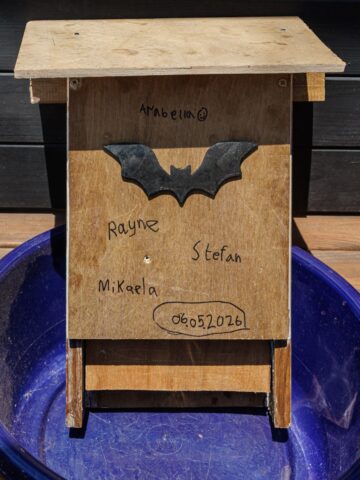
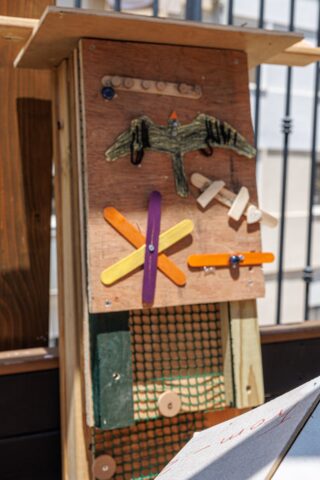
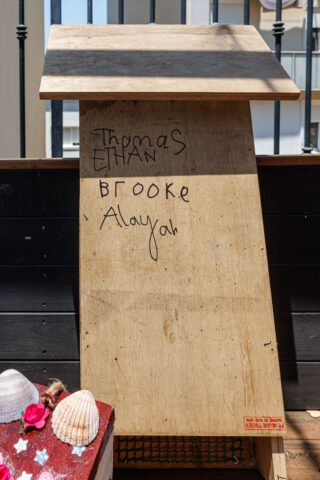
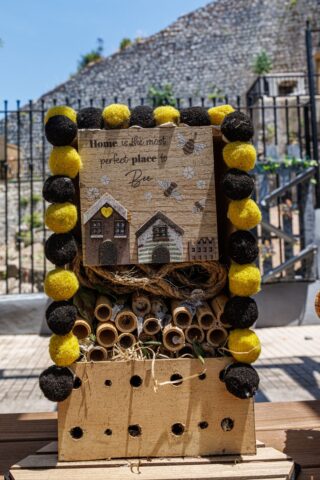
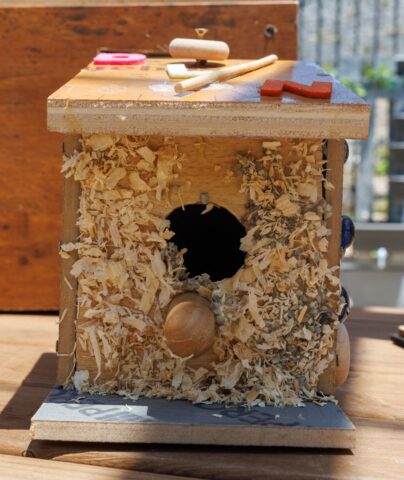
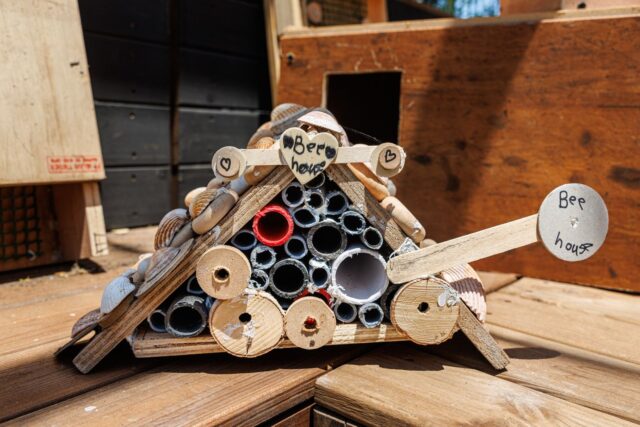
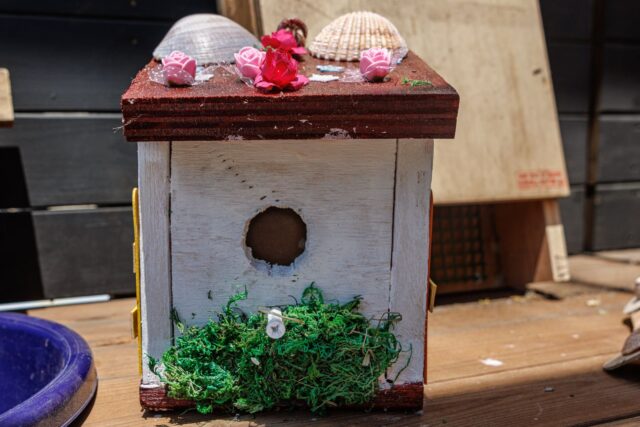
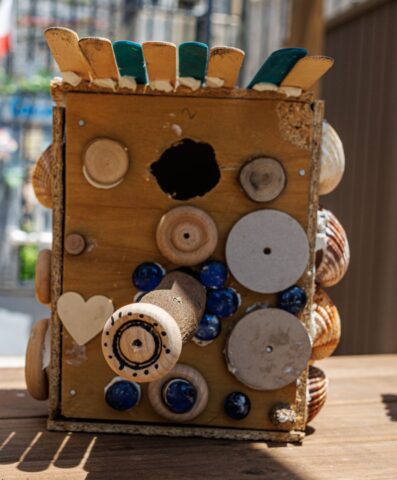
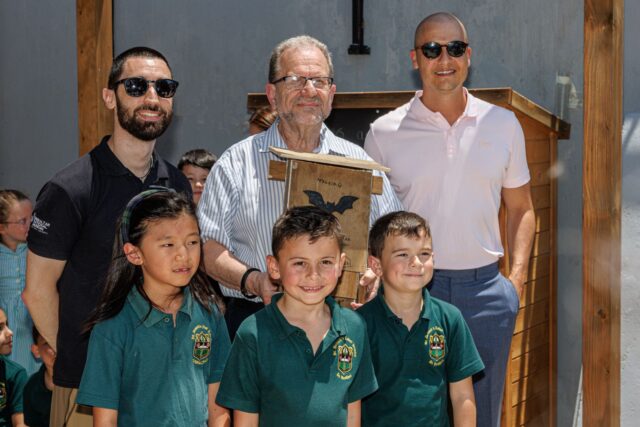
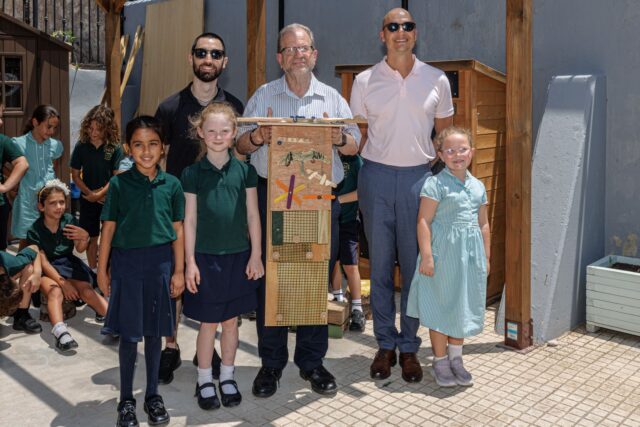
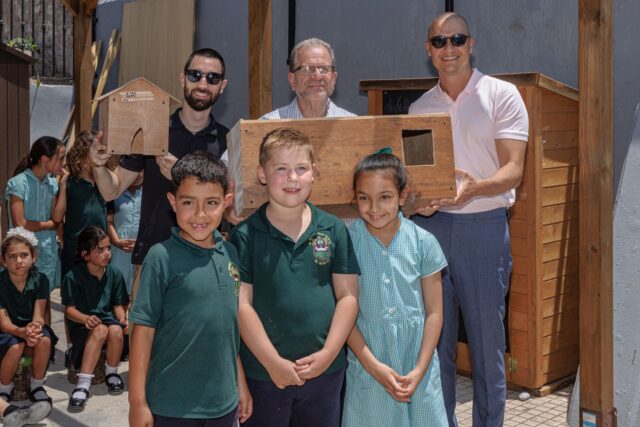
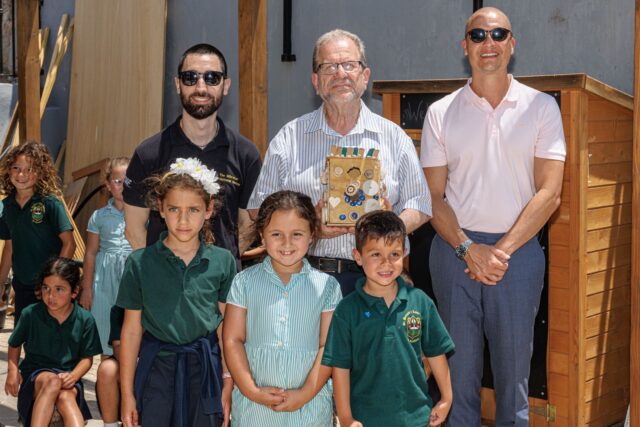
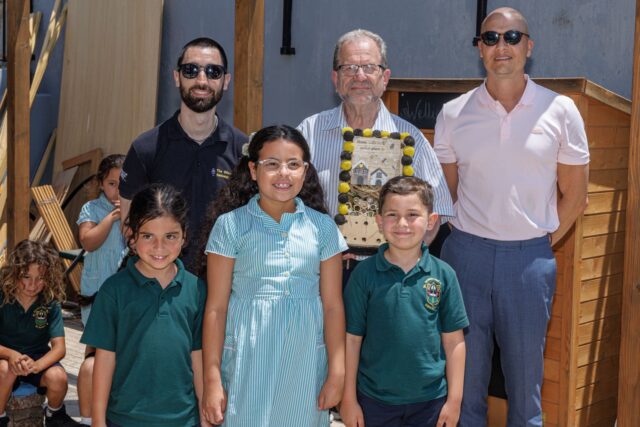
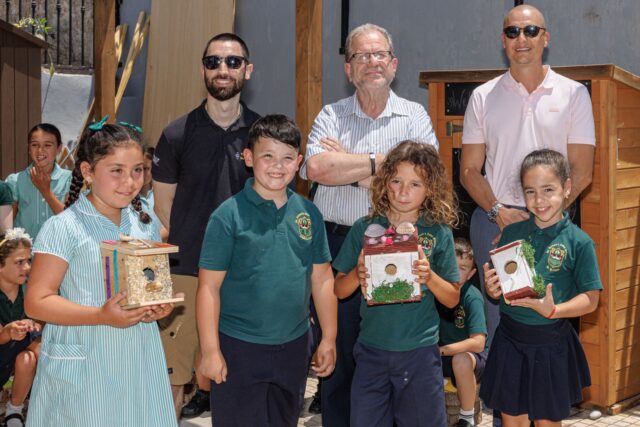
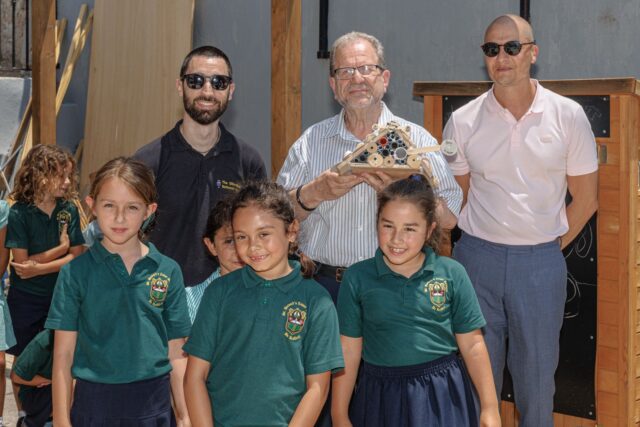
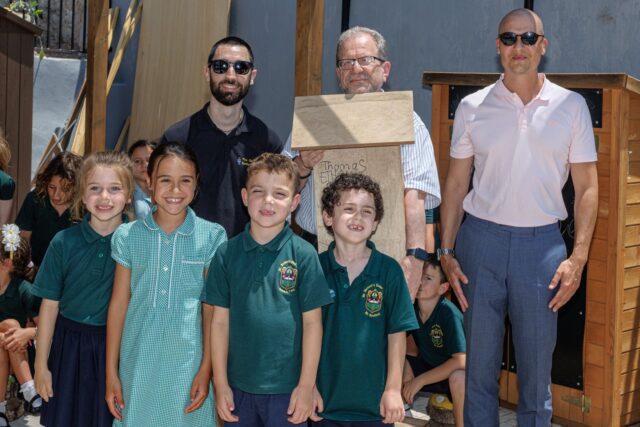
Children from Year 2 at St Bernard’s Lower Primary School who together with their parents they designed and built a swift box, bat box, or bee hotel, recently presented them to the Minister for Environment, Dr John Cortes at Discovery Fortress.
Dr Cortes was accompanied by Steven Warr from the Department of the Environment, Sustainability, Climate Change and Heritage, and Tyson Holmes a bat expert from the Gibraltar National Museum. Both of whom were present on the build days and offered their expertise as well as provided support, tips, and advice.
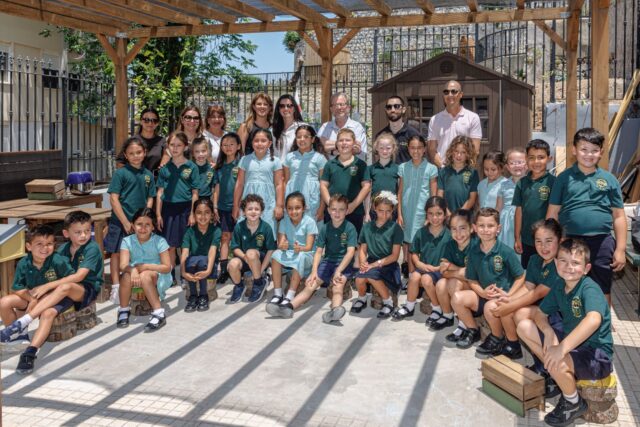
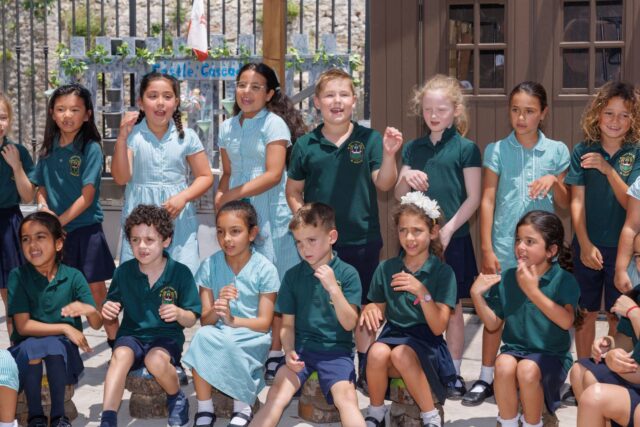
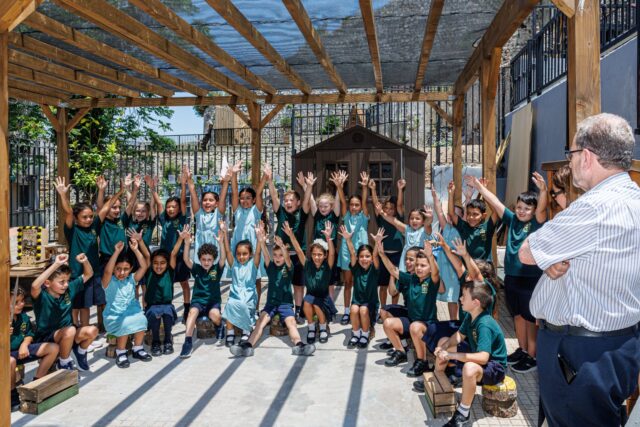
Head teacher Charlene Caruana told Dr Cortes and guests that since that inauguration of Discovery Fortress nine months ago the space has been used for a range of activities, including an Easter egg hunt, themed medieval days, and a country study with a focus on business and enterprise.
The latest initiative was developed from an idea by teacher, Katrina Diaz, after children studied animals that use Gibraltar as a habitat and then explored how they could help improve those conditions.
Ms Caruana told the Minister that materials for the project were largely sourced through donations and recycling. D&H Ceramics provided timber, while AquaGib supplied pipe off-cuts and other scraps. Staff and children also collected reusable items from bins, turning discarded materials into wildlife shelters.
During the presentation, the children’s work was commended for its quality and imagination, with praise for one team that completed two habitats in the time allocated.
The environmental message of the project was underlined by Dr Cortes who explained how species such as swifts migrate and rely on safe nesting sites, and how a variety of insects and small creatures could benefit from the new installations.
The habitats will now be placed around the Rock, with two staying near Discovery Fortress due to the nearby trees and other suitable areas to maximise their use by wildlife.
Gibraltar is one of the leading places in the world for the protection and provision of swift boxes.
In January this year Dr Cortes welcomed the Scottish Parliament’s decision to require swift boxes to be installed in all new buildings, just as they are on the Rock.
Until then, Gibraltar has been the only place where swift nest sites were required as part of planning policy.
Dr Cortes has been actively involved in promoting the requirement for swift boxes in Westminster, working with campaigners including Hannah Bourne-Taylor and Lord Goldsmith to advocate for increased protections for swifts and other endangered birds.
Swifts and swallows in Gibraltar’s urban wildlife were also put in focus at the Gibraltar University as local researcher Anne Canepa completed observations of bird boxes for her Masters degree.
Over four weeks in June last year she observed a series of bird boxes across the Rock.
Her preliminary findings showed that “more research needs to be done,” but she believes that from the small sample size and observations she made, the birds are using the boxes.
Dr Cortes told the Chronicle that “There's a survey going on by the Department of the Environment checking all the nest boxes to get a take on whether some boxes are more successful than others.”
“Certainly, we've stopped the decline of swifts and pallet swifts in Gibraltar, and some new colonies have been set up as a result of the nest boxes.”
“We've been leading the world on this. It's not a legal requirement, but it's a planning requirement, and it gets done every time.”
“Scotland legislated requiring swiftness only a few months ago. England hasn't done it yet, or the UK, but it's a success story, and Gibraltar is an example to put through the world on this,” he added.
He also noted that when tracking one swift it was found that it left Gibraltar in the morning, flew to Tetouan in Morocco and was back on the Rock that evening.
He said that swifts can fly for about two years before touching ground and that they even mate in the air.
For his part Mr Holmes thinks the new bat boxes are “fantastic”.
“I think the fact that it started with a with a talk in general introduction on bats around the world...and then we focused on the bats of Gibraltar,” he said.
“So, I spoke about different species and then I finished by saying, you know, how can we help bats, because they are villainised, so we try to dispel those myths, and also try to talk about the conservation work that we're doing in Gibraltar. So one of the things that we spoke about, and I showed some photos of, was the bat boxes around Gibraltar, and the teachers had the idea of getting the families involved as well to actually build some of these boxes.”
“And get them installed around Gibraltar in order to help some of our bats, it's great,” he added.