


Youth Parliament gives young people a voice and society a lesson
Photos by Johnny Bugeja


The Speaker of Parliament, Karen Ramagge Phillips, used a session of the Gibraltar Youth Parliament on Monday to underline the importance of engaging young people in democratic life.
Addressing participants and guests, she said the initiative was intended to show young people that their voices mattered.
“The core idea behind this youth parliament was to show young people that Parliament, whether or not you think you're interested in politics, is a place that serves everyone,” she said.
“And even if you don't want to become a politician or join a party, you have a voice, a voice that we want to hear and a voice that can influence people who govern and people who hold government to account.”
The Speaker was addressing a packed Parliament for the final session of the Gibraltar Youth Parliament, an initiative she set in motion earlier this year.
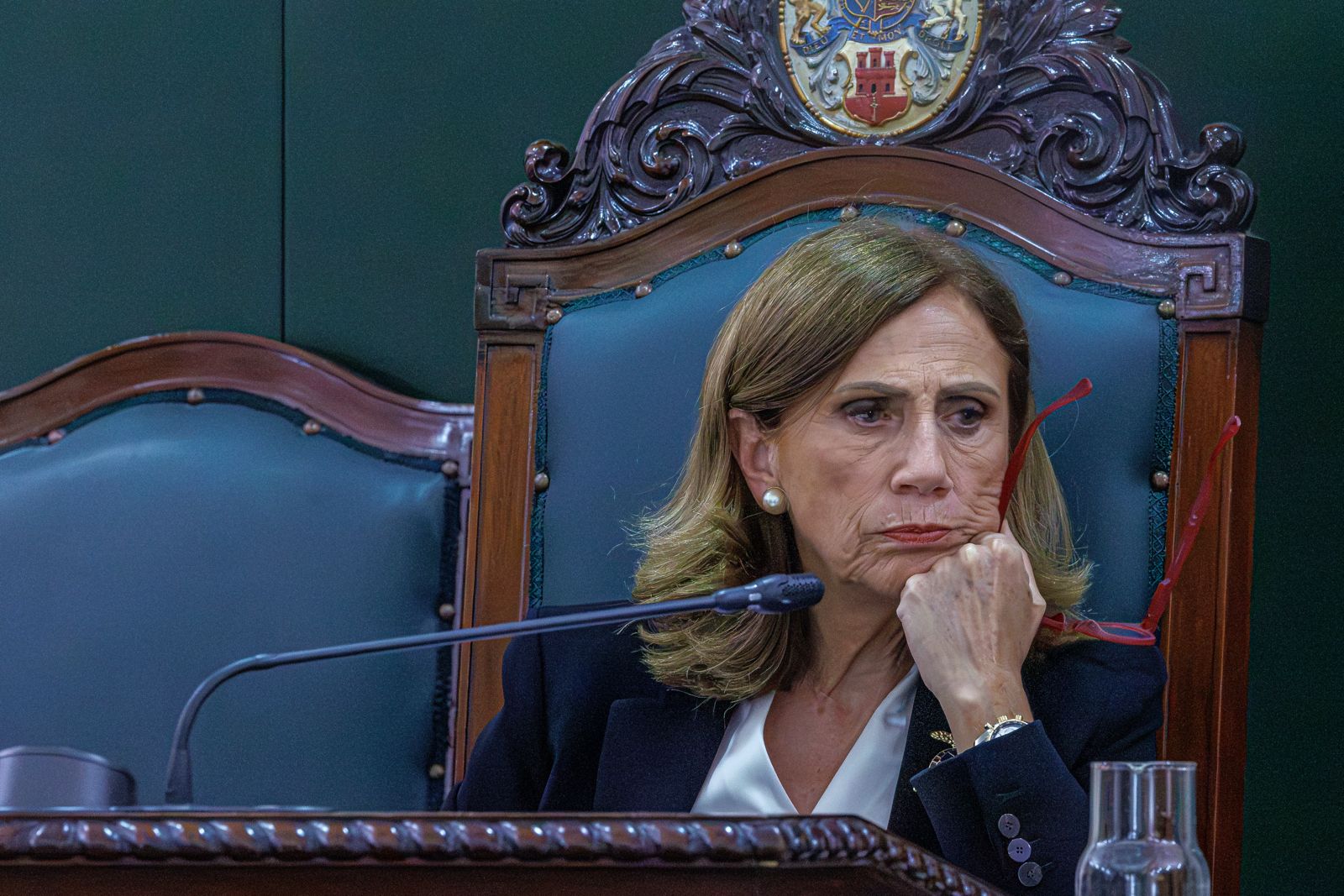
At its core was a need to close the gap between Parliament as an institution and the public’s understanding of its role and responsibilities, especially among 15 to 19-year-olds “who are neither children nor are they quite adults”.
“We need to persuade them that Parliament also serves them as much as it serves anyone else,” she said.
“Because how parliaments will look in the future will be determined by them.”
Mrs Ramagge Phillips said encouraging interest in public affairs at a younger age could help tackle disengagement from the ground up, demystifying Parliament while protecting the standing and integrity of the institution.
“If we can begin redefining the relevance of the political arena from something that may be boring or beyond them to something that is alive and relevant, then perhaps we can combat apathy, which seems to permeate the political world these days,” she said.
“I believe that it is the citizen who is the true guardian of democracy.”
She also said there was a growing tendency among young people to be critical without offering solutions, adding that this needed to change.
“I appreciate that I'm generalising and generalisations are dangerous, but it seems to have become the norm to be negative, to criticise, to complain, to offer no solution,” she said.
“This is awful. There's no point in doing that. That's boring.”
“There seems to be little appetite among young people for improving the situation, perhaps because they feel that nothing they can do can truly make a difference.”
“We need to address that trend and change it.”
She said investing in those between childhood and adulthood was essential to protecting Parliament and the wider democratic system.
“If we are to protect our Parliament in a way that will ensure the survival of the reasonable and the triumph of the sensible over the rise of the extreme and the fanatical, then we have to invest in the in-between,” she added.
‘SPECTACULAR ARGUMENTS’
The opening address set the scene for the final debate, which pitched two mixed teams of four youngsters with no prior connection before signing up for the Youth Parliament. For once in Parliament, the girls outnumbered the boys.
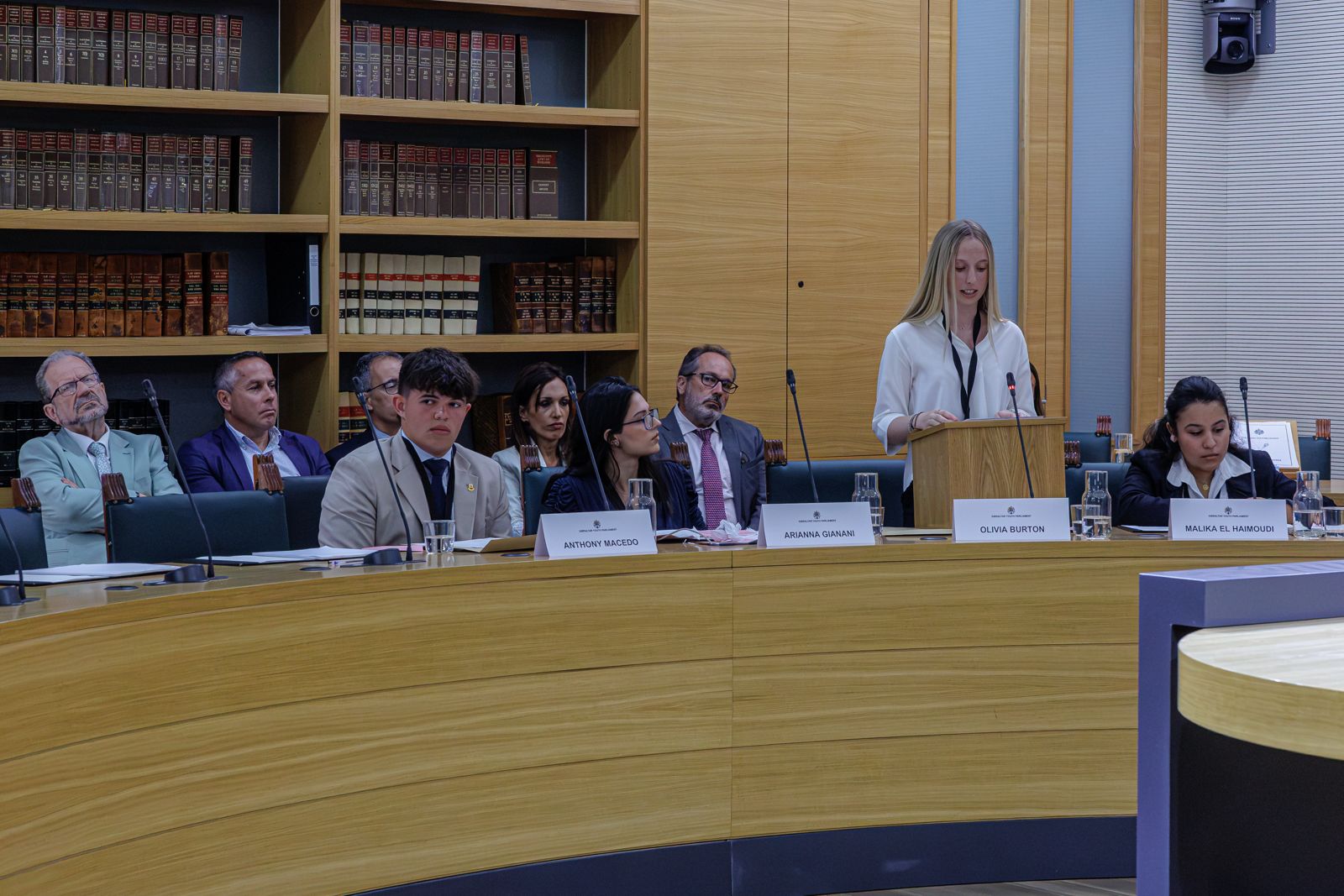
On one side were Anthony Macedo, Arianna Gianani, Olivia Burton and Malika El Hamoudi. Their task was to defend a motion supporting the lowering of the voting age from 18 to 16.
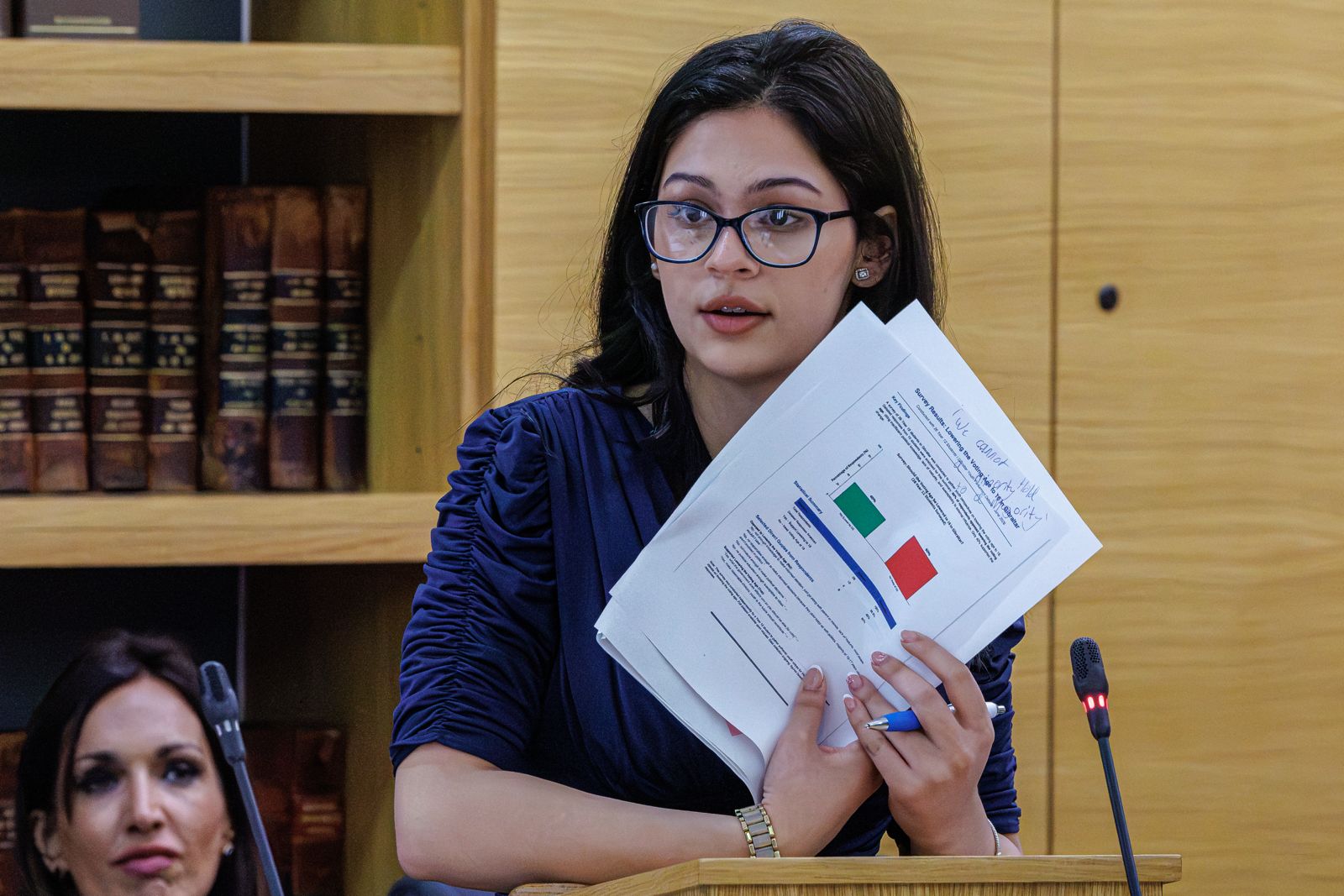
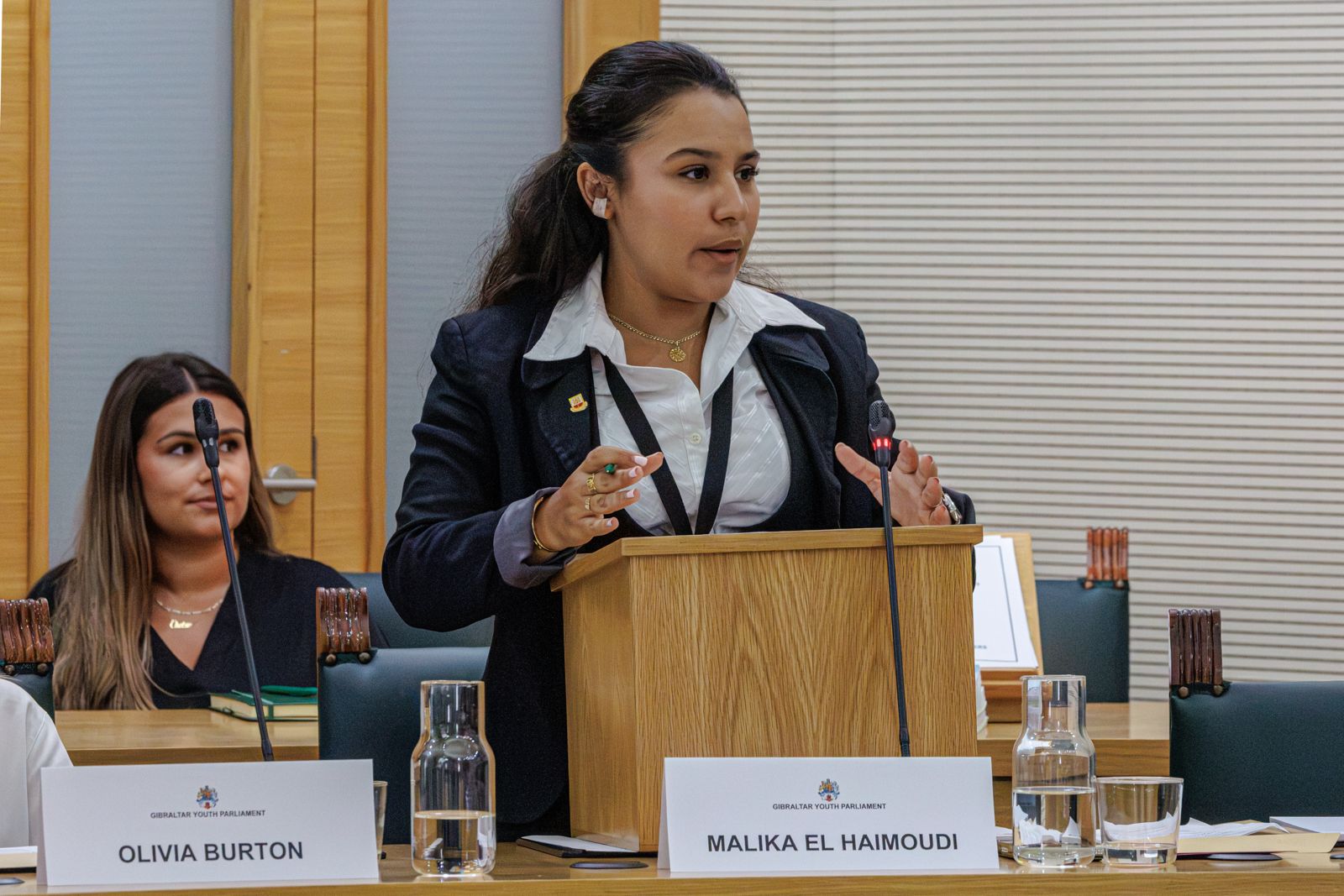
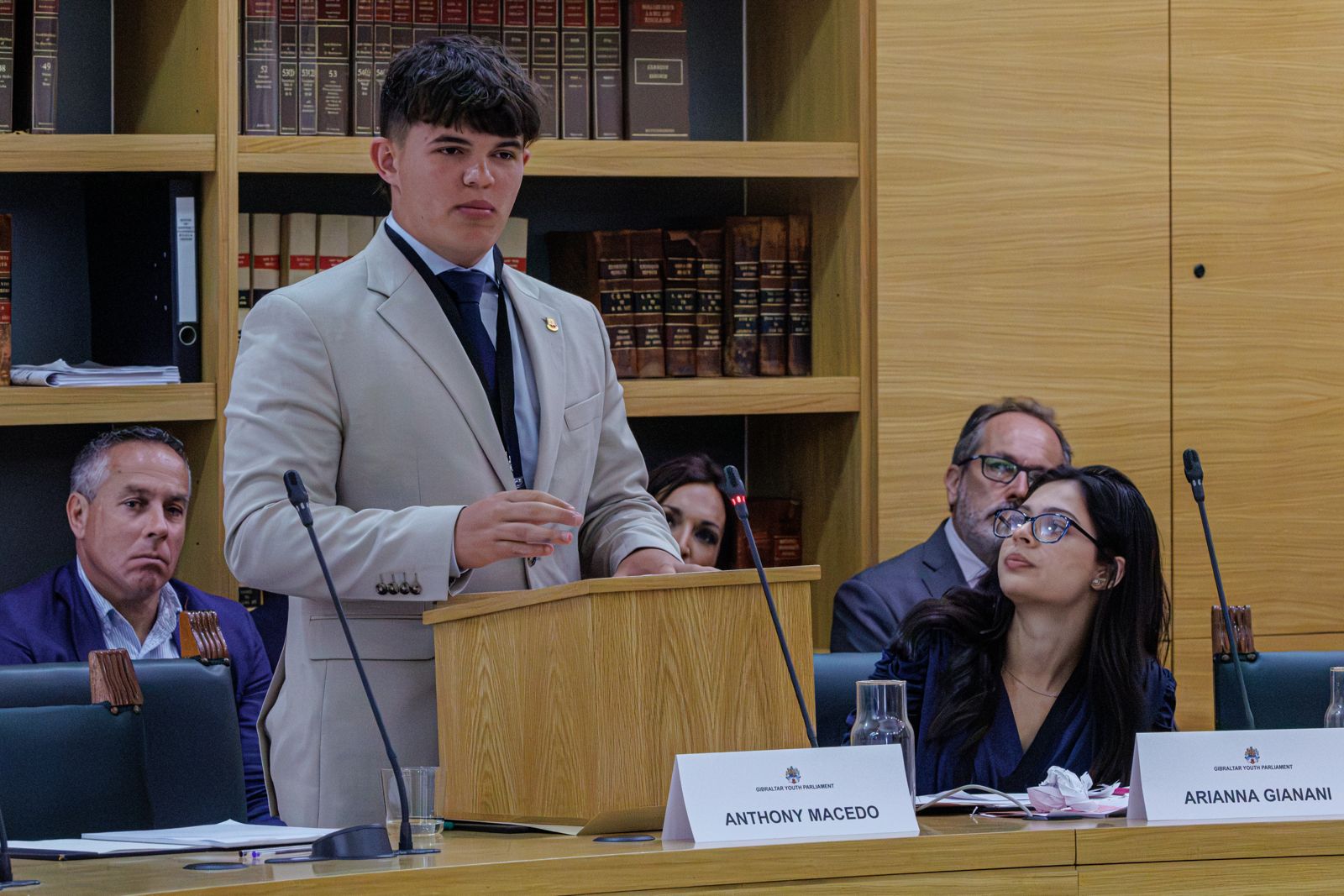
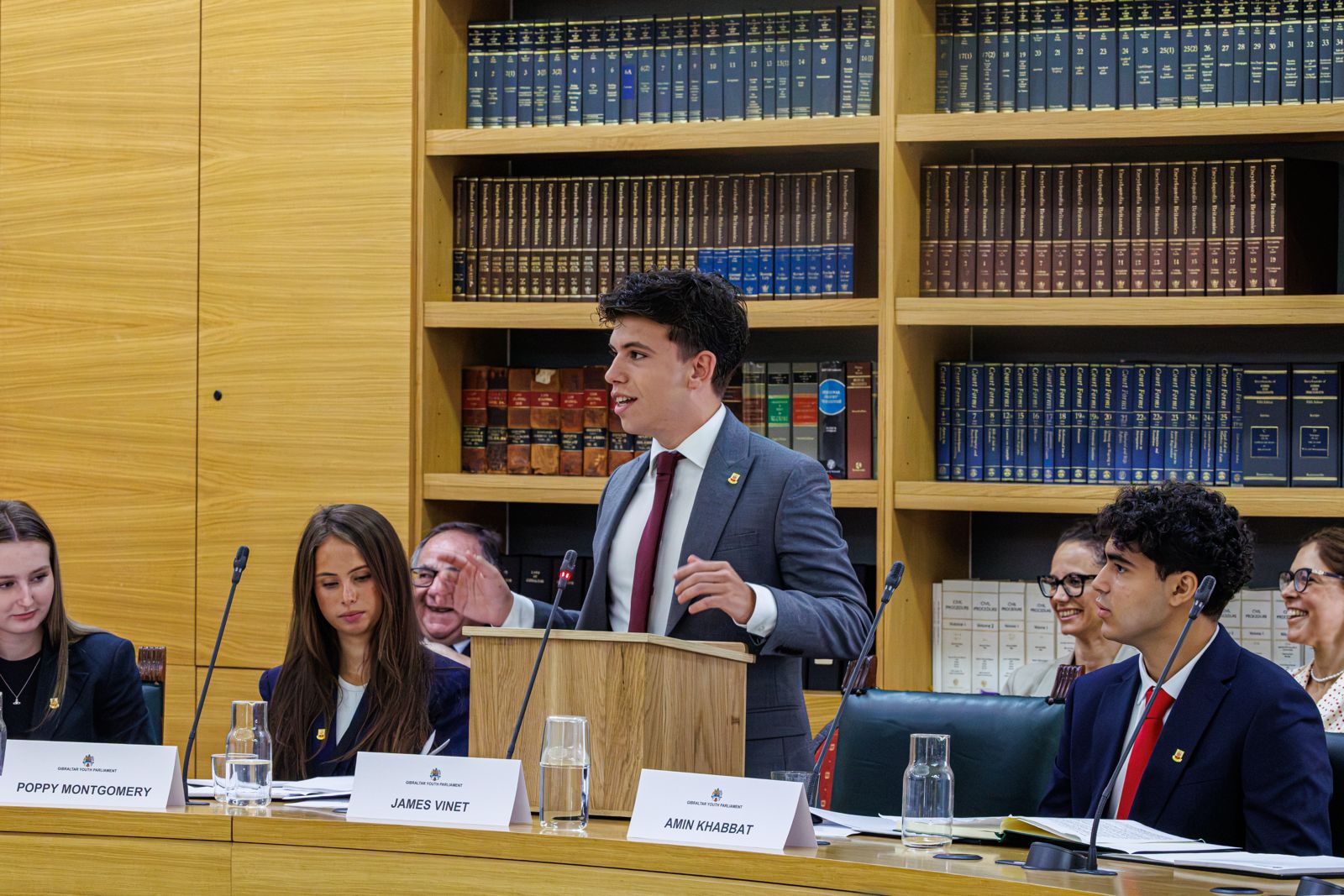
On the other were Isabella Thomson, Poppy Montgomery, James Vinet and Amin Khabbat. Their job was to oppose it.
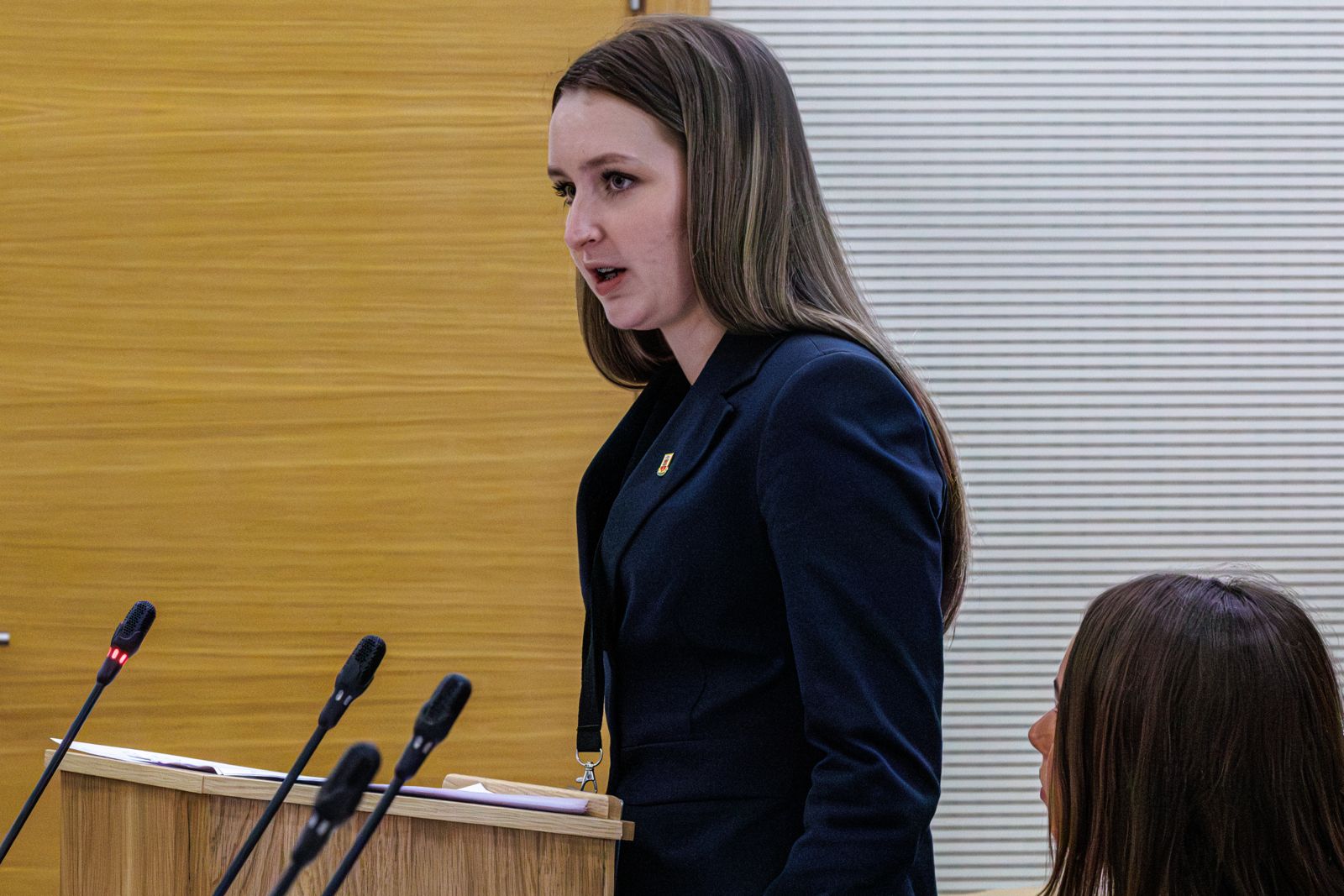
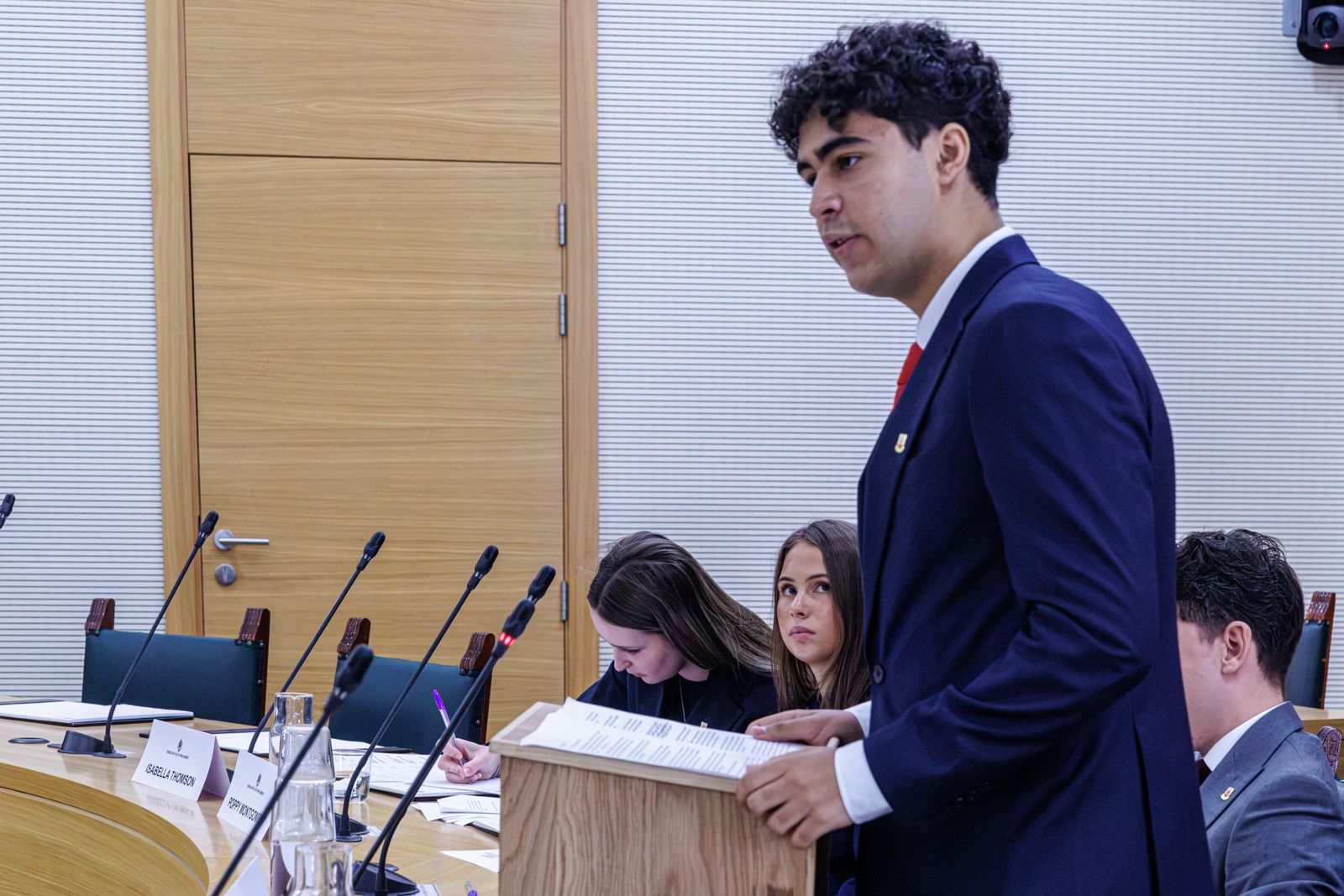
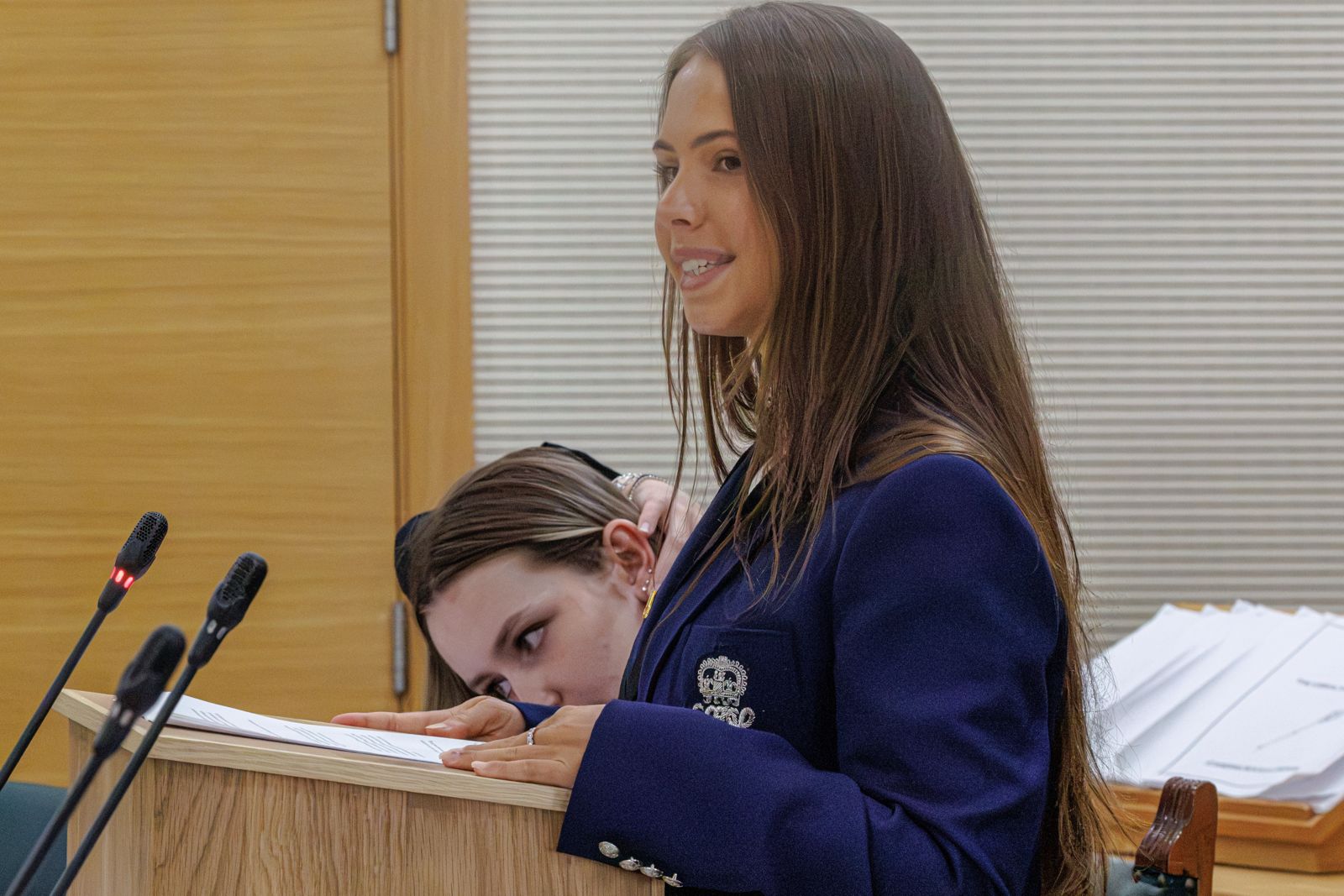
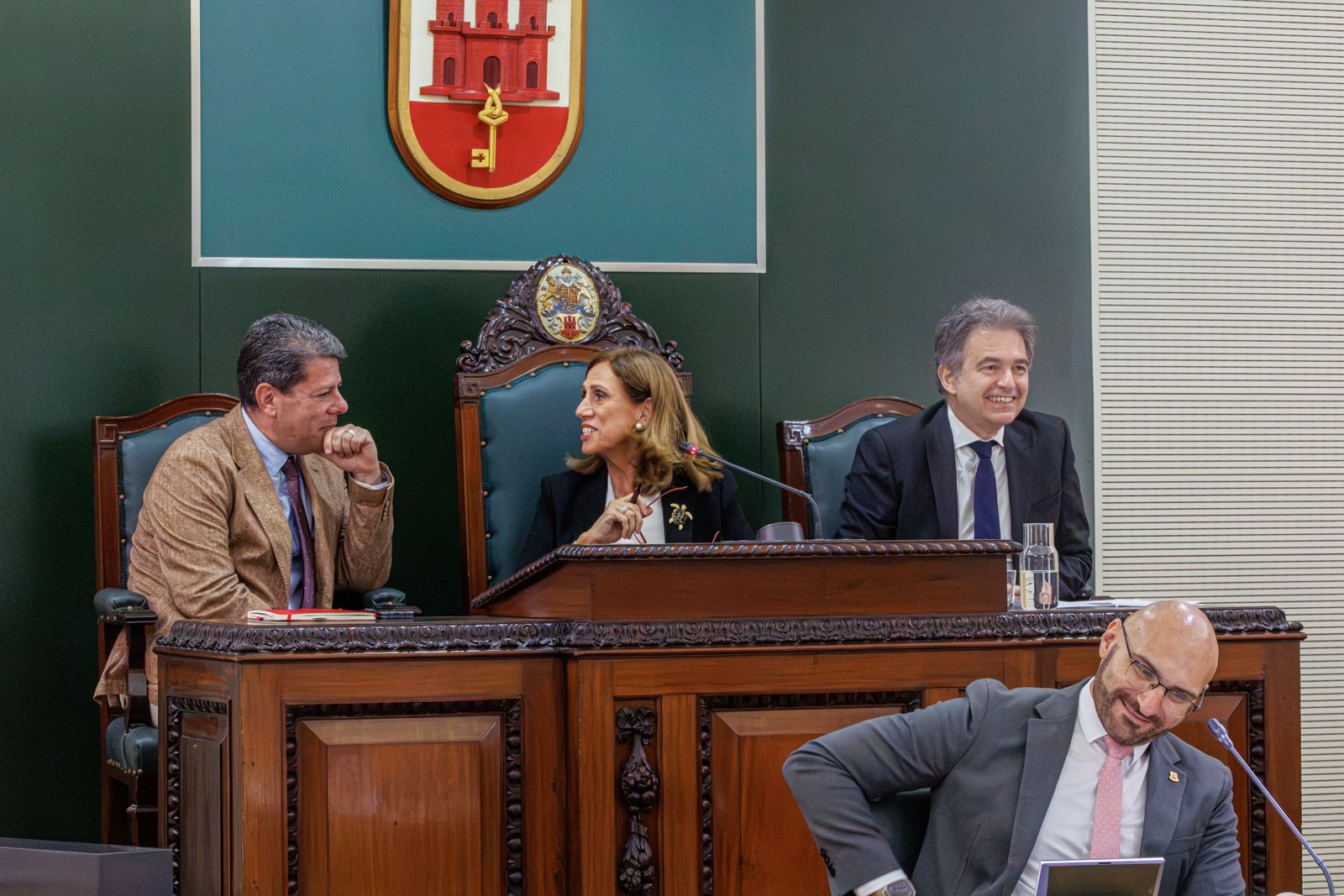
On the judging panel were Chief Minister Fabian Picardo; Keith Azopardi, the Leader of the Opposition; Jennifer Ballantine, director of the Gibraltar Garrison Library; and Gerry Aguilera, head teacher at St Paul’s Lower Primary School.
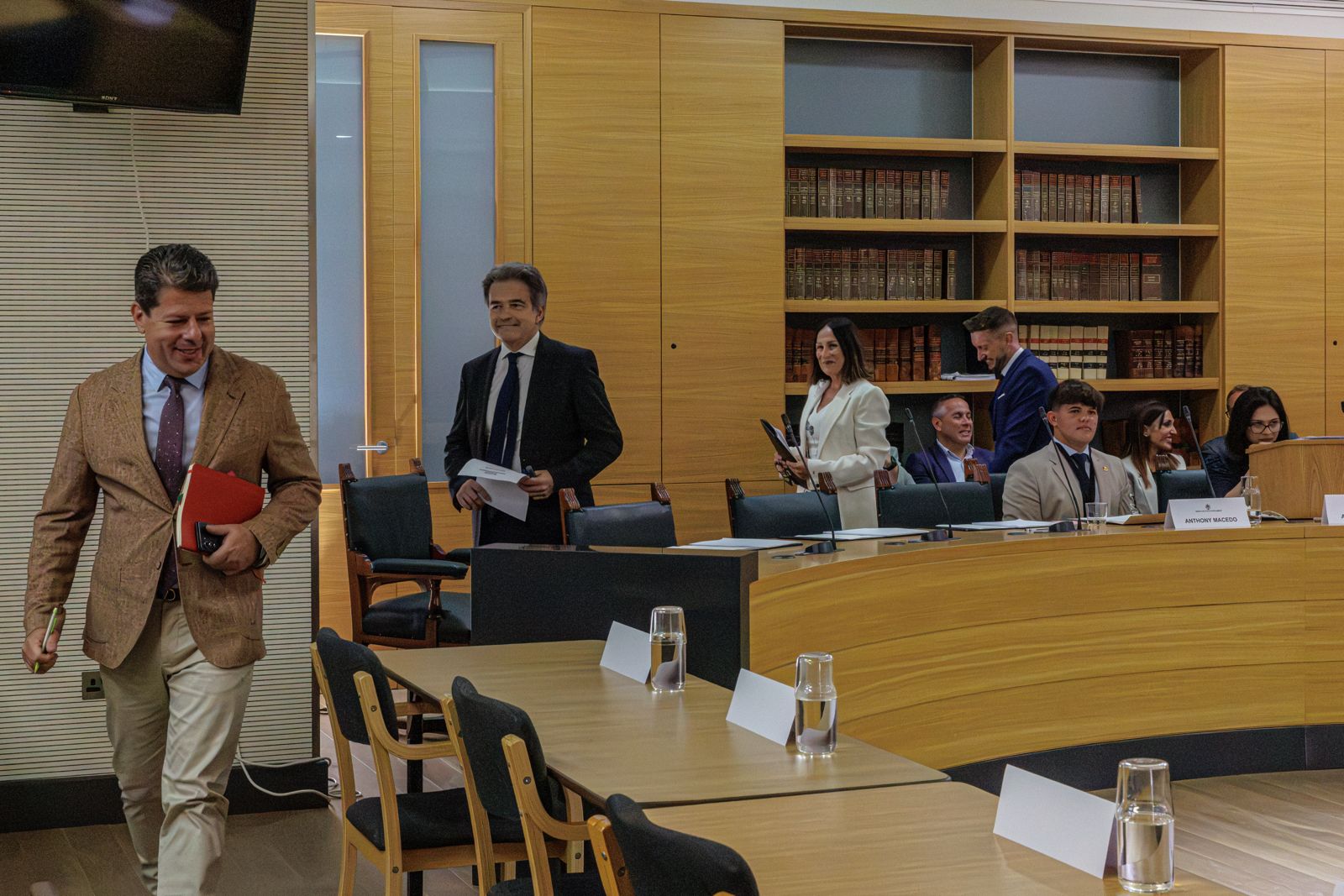
Behind the two teams were Gibraltar’s MPs, interspersed and in some cases sitting opposite their usual side of the chamber, symbolising the idea that “Parliament is one body that serves everyone”.
In the public gallery, underscoring the importance of the Youth Parliament as a vehicle for engagement with public life, were senior figures from across the Gibraltar community.
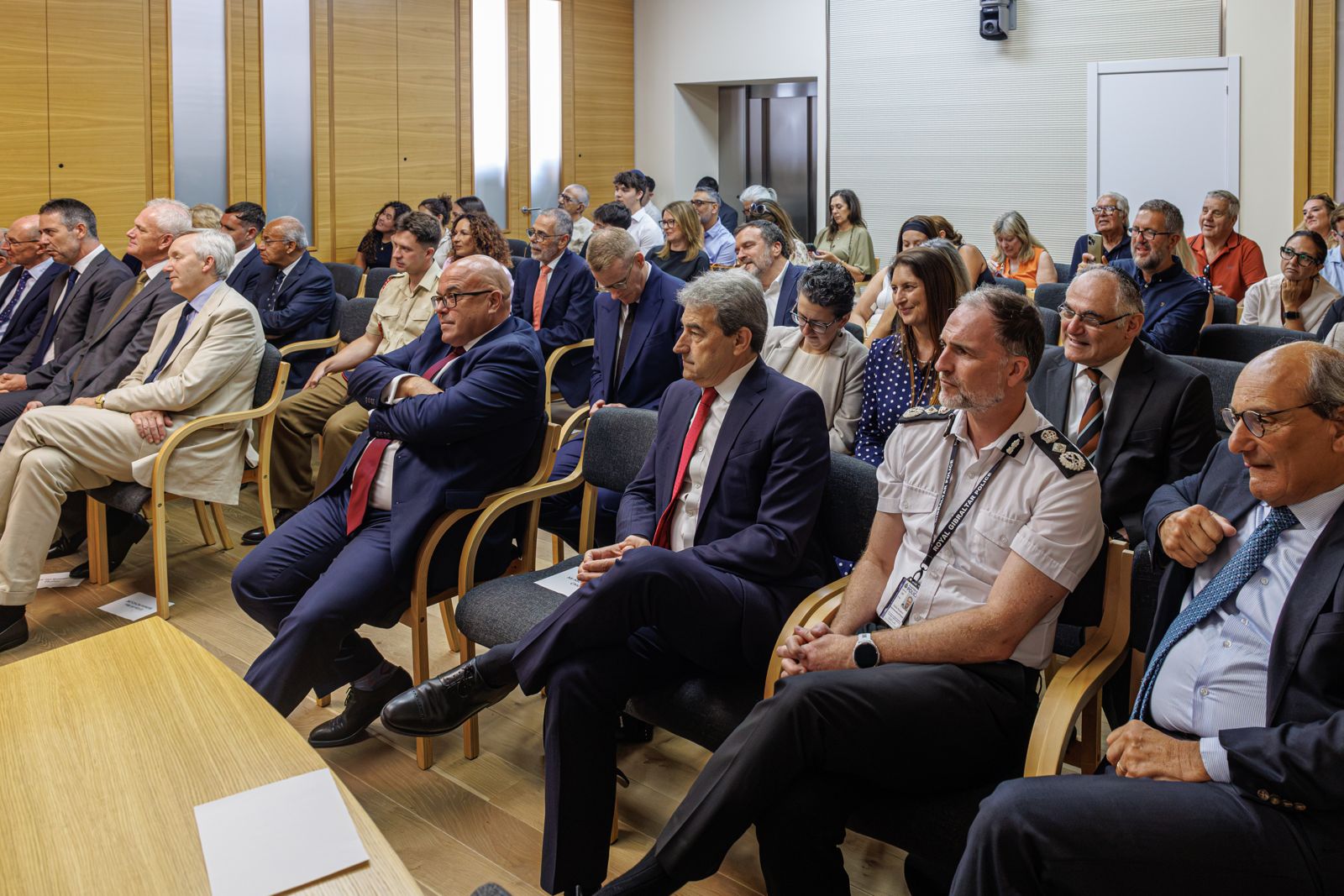
They included the Governor, Lieutenant General Sir Ben Bathurst; Chief Justice Anthony Dudley; two former Chief Ministers, Sir Peter Caruana and Adolfo Canepa, the latter also a former Speaker; another former Speaker, Haresh Budhrani; the Principal Auditor, Phil Sharman; the Commander British Forces, Commodore Tom Guy; and the Commissioner of the Royal Gibraltar Police, Owain Richards.
Behind them were educators and others who work with young people, as well as proud parents and relatives.
The debate was not just about substance but also about style, the ability to communicate ideas, test arguments and counter-arguments, and put points across clearly and powerfully.
When it was over, the consensus was that both teams had done just that. The common refrain among older people in the room was that, at that age, they would have struggled to speak as confidently and clearly as these young people did on Monday.
Mr Azopardi went through some of the points that stood out to him, including Ms Gianani’s description of 16 as “an age of passion and conviction”, a theme that underscored much of the case for the proposition. Its central question was this: if young people have the right at 16 to start a family, among other adult rights obtained at that age, why should they not be able to vote for those whose decisions impact their lives?
On the other side, Mr Azopardi acknowledged arguments including that setting the voting age at 18 reflected decades of experience, that young adults assumed other responsibilities at 18 too, and that lowering the threshold should be underpinned by a clear principle and a clear idea of what young people actually want. As Isabella Thomson had put it: “What problem are we solving if we lower the age to 16, and where do we draw the line?”
The proposed change to lower the voting age will come to Parliament at some stage and the ideas heard on Monday will be taken into account by MPs, who will also have a chance to engage with members of the Youth Parliament in an informal session in the autumn.
“There were spectacular arguments on both sides and it was a privilege to be here adjudicating this debate,” Mr Azopardi said.
WIDER MESSAGE
The sentiment was echoed by the Chief Minister, whose role it was to reflect the adjudicators’ conclusions and announce which team had won.
Mr Picardo, who had earlier delivered two tough impromptu questions, one to each team, said he had been “very impressed” by the standard of debate.
“I was very impressed by the way that you guys have held yourselves at the separate dispatch boxes, the way that you engaged, the eye contact that you made with us as adjudicators and with each other,” he said.
“It's fundamental. I was not expecting that you would be able to do that in such a mature way.”
“You knew your arguments, so you had your notes and you were able to look up from your notes and engage with us. That is the only way that you persuade someone.”
“If you think about what you do in everyday life, when you're going about your business and trying to persuade the people that you are talking to in the street, in the home, in the school, if you want to persuade someone, you look them in the eye, you engage them, you connect with them and you do not let them go until you persuade them.”
This was “an extraordinarily high standard of debate”, Mr Picardo concluded.
“When I debated another 16-year-old in school [a reference to GSD MP Damon Bossino, who was grinning as he listened], the standard was nowhere near as high as it is today.”
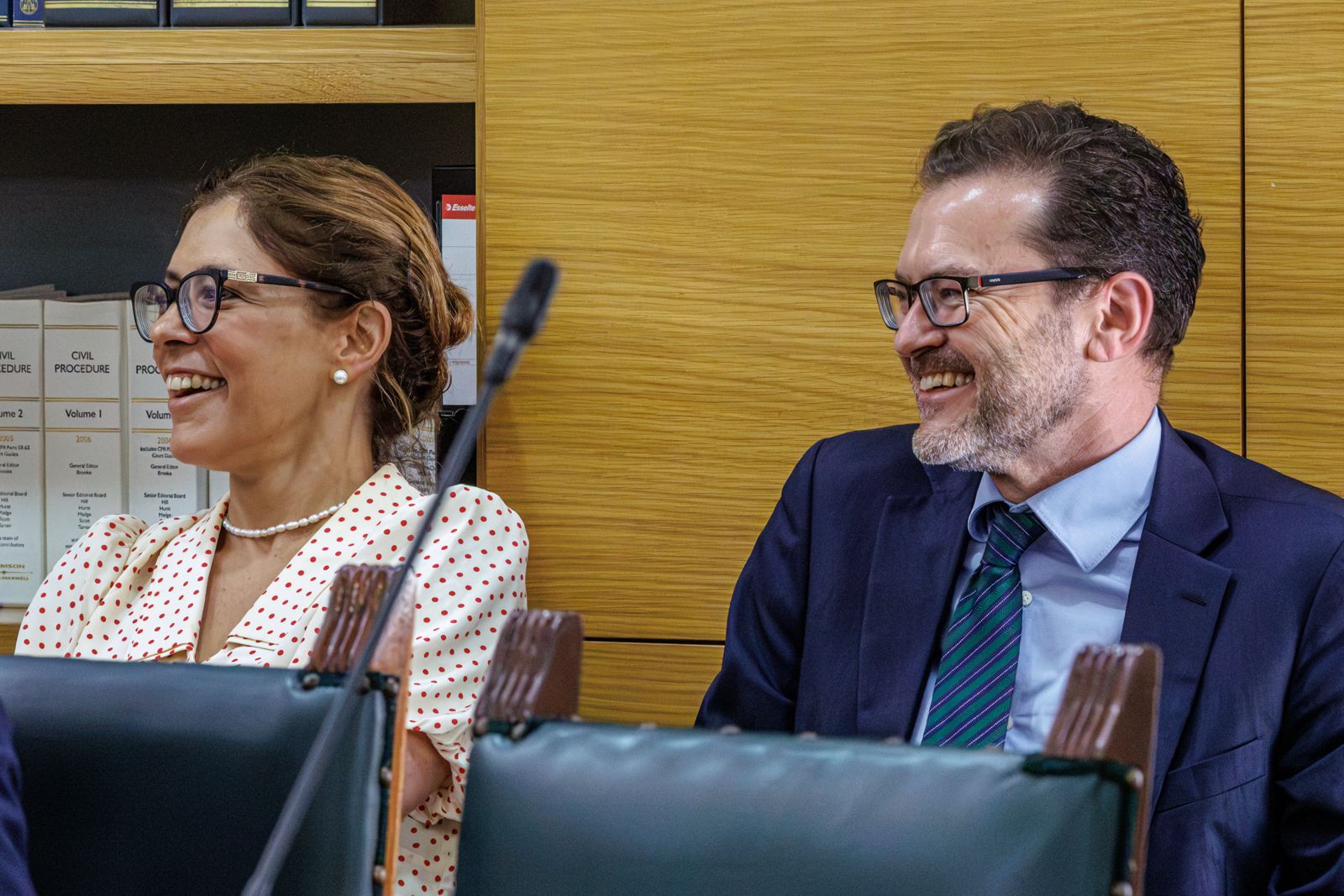
Mr Picardo said the debate boded well for Gibraltar’s future and that the Youth Parliament had sent a powerful message not just to youngsters but to society as a whole.
“Because we have to remember, in particular, in this difficult world in which we live, that we have to bring each other along, we have to persuade each other, we have to debate and take arguments forward in that way and not resolve things in the way that we're seeing resolved elsewhere in the world,” he said.
“So thank you very much for engaging with this process and for being such a magnificent product of the Gibraltar that we have today.”
The adjudicators decided that the proposition team had won the debate, even if, as the Speaker later put it, “it was very close and it could almost have gone either way”.
Mrs Ramagge Phillips thanked the participants and again praised the quality of the debate, not just on Monday but in an earlier round on June 8 involving two additional teams competing to reach the final.
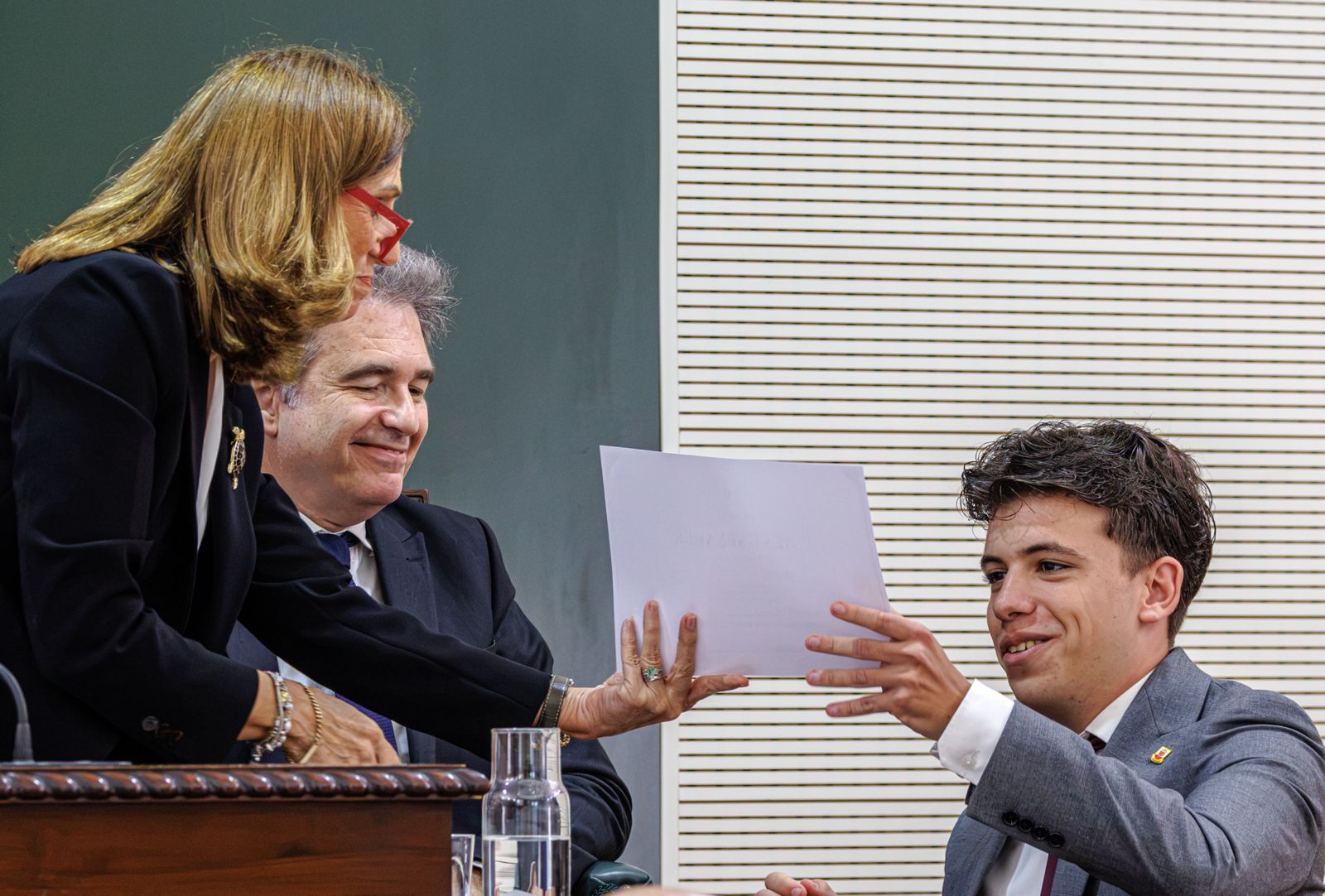
She presented a certificate to James Vinet, who she felt had most distinguished himself with strong debating skills, analytical ability and overall performance, and had come across as “a born politician”.
Most Read
New bus stop signs and solar-powered lighting rolled out across Gibraltar
Mon 21st Sep, 2026
As long-stay patients move to Rooke, plans for new services at St Bernard’s Hospital
Mon 21st Sep, 2026

Today's Paper
23rd June 2026
Read our latest newspaper by downloading our app from the link below.


