A melting pot of interests that culminates in the preservation of our heritage


 We all go through our lives at times believing that little has been achieved. Alice’s Table is proof that a great deal is achieved throughout one’s life even though we sometimes very easily forget – it is not easy to remember everything we do throughout our lives but all of us are achievers in our own story. All of us have been inspired, and have also inspired. One remarkable thing about living in Gibraltar is that we all know people at different times of our lives and in Gibraltar that is practically throughout our lives – growing up, as friends, as work colleagues, social and community events, and in so many different facets from childhood and growing into adulthood. All, as I say, are easy to forget.
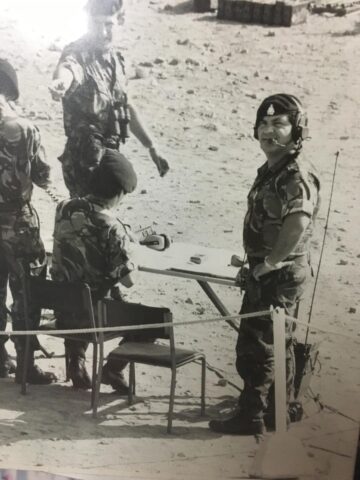
This week’s guest without a doubt is an achiever – and looking back on his life as I threw questions at him (like many who have sat at this Table) was probably reminded of moments in his life which perhaps have been dormant for many years. And you will understand why I say this when you continue reading. John Navas is someone I have known for – yes, for most of my life. In recent times I have served alongside him as a Trustee of the Gibraltar Heritage Trust. But as I searched and looked back – we have faced and encountered each other as members of drama groups on the stage and in his time in the Royal Gibraltar Regiment. I had forgotten for example that he had been there when the regiment went on a training camp to Cyprus and I was sent to report on this as the Features Editor of this newspaper.
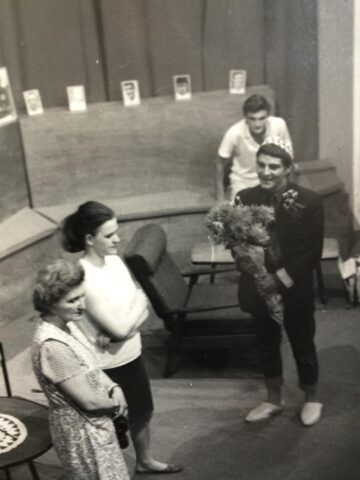
I recall him backstage in the Ince’s Hall Theatre during drama festivals when he was part of the Gibraltar Regiment Drama Group.
When one thinks about this, we can only but consider ourselves fortunate that we have these connections with fellow Gibraltarians who have always been there and with whom we have shared important moments and that we can recall, in some cases, numerous memories from the episodes of our lives. And yet, when I sit at Alice’s Table it never ceases to amaze me how we do not have the full picture, and how people (even if you think you know them) can still surprise you.
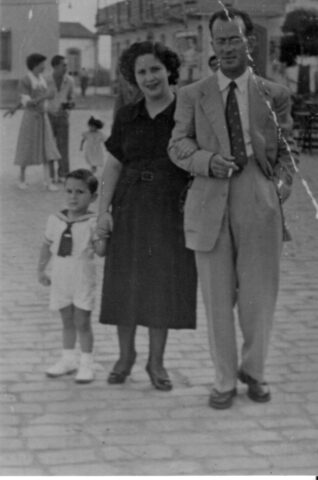
My friend John (called after his father) was born in the aftermath of WWII in 1947. I never knew that his father John, born locally, had died when he was just a child.
His father was brought up by the Pou family in Gibraltar. For an unknown reason to him, John’s grandmother moved to Spain with her daughter leaving John’s father here. The family lost contact. It was sometime later – now some 40 years – that the family was reunited when another member of the family living in America decided to bring the family together. John discovered his father’s sister had emigrated to the UK. He tells me the story (with obvious satisfaction) that on a training camp with the Gibraltar Regiment in the UK with her address in hand he turned up at her doorstep.
“I knocked on her door and said, ‘I am your nephew’.”
The young TA soldier was welcomed with open arms. The rest as we often say is history.
As John picks up his father’s story he tells me he had been born in 1919 and was 20 years of age when war broke out in 1939. As an electrical fitter working for the MoD he would volunteer to join the Gibraltar Defence Force (GDF) when WWII broke out. He remained in Gibraltar during the war years. His mother Rosalia, he continues, was born in Spain in a town near Granada called Valor. It was on the outbreak of the Spanish Civil War in 1936 that she came to live on the Rock. One of his mother’s sisters had married a Gibraltarian and John’s mother was one of the younger siblings and moved in with her. Her other two sisters went to Morocco but eventually one of them would return to Spain. John’s parents met shortly after his mother’s arrival on the Rock. During the war Rosalia formed part of the evacuation to the UK. All this time the couple kept in touch and wrote to each other. It was on her return to the Rock that they tied the knot. John was born in 1947. Sadly, John’s father would die in 1950 at the young age of 31 after an accident crossing the runway on his motorbike. As a chargehand he went to check on the men who worked under him when the accident occured. Our John was not yet three years of age. He had been born in Flat Bastion Road at the famous ‘La Cuesta Mr Bourne’. The family would later move to Humphreys into a one-bedroom flat. When John’s father died his widow and child were left with no income and there would be no compensation from his father’s accident whilst at work. His mother would begin to work from home as a seamstress – having learnt from her sister and whilst working in a factory during the war making overcoats for the army – this would prove a successful venture.
“She was well-known as a seamstress, and I remember growing up seeing people coming home to pick up their bedspreads and curtains, dresses, and children’s communion dresses etc. She was able to make ends meet but we were not very well off, and it was hard. I remember one or two Christmases when the ‘Welfare’ (Welfare Department) gave out presents during the Three King’s festivities and I received presents from them,” he tells me.
When his mother began making a modest living, they were able to move into a two-bedroom flat also at Humphreys. The second bedroom was then converted into a sewing workshop.
“In this room she had the sewing machines and all her materials. I remember she had two women helping her out as there was a lot of demand for women who knew how to sew and make clothes in those days. I really grew up in the midst of a workshop where there was always something going on and a lot of activity.”
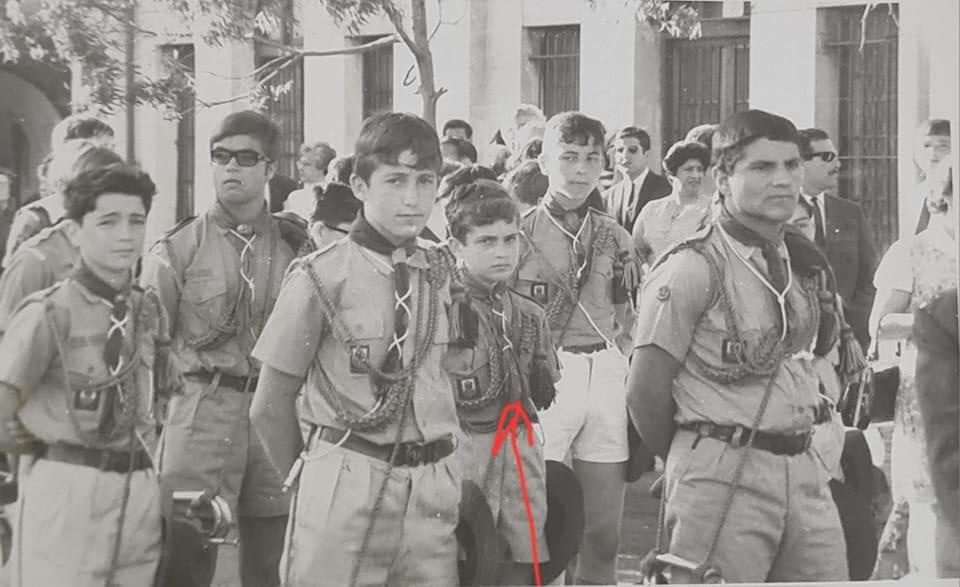
As a child John remembers being free to roam and play with his friends – he played hockey and football. In fact, John would go on to become one of the founder members of the Eagle’s Hockey Club. Forming a team at around 13 years of age with the initiative of his teacher Michael Zammitt and others they would eventually form what would become known as the Eagles Hockey Club. It was after entering a tournament and beating other school teams that this idea was carried through. It was his mother who embroidered and sewed all the Eagles badges on their kit.
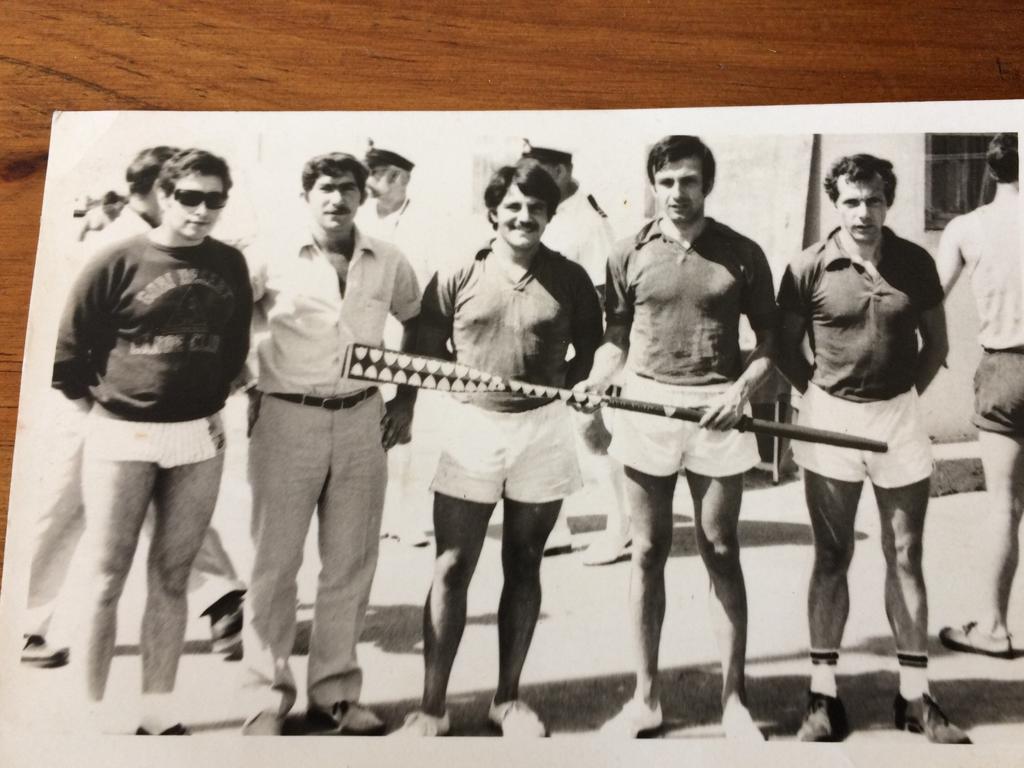
John would continue to play as a goalkeeper until he was around 50 years of age. Over the years though he would also play for the Lourdians and the Rock Gunners hockey teams. At 13 he also became a boy member of the Mediterranean Rowing Club and took up rowing from 1967 to 1974 – being successful in the regattas of 68, 69, 70 and 71 rowing for both first and second crews. Over the years he has been a coach and even now, still helps out in the annual regattas.
“Growing up we didn’t have much but we made up games and played in the patio and in the street – I remember playing rounders, and at Alameda Grand Parade flying kites (it was the 1950s and there were practically no cars then). Together with my neighbour we would make the kites out of cane and paper. We just had to contend with the bus when playing out in the street really – the charaban – but there was a lot of freedom then.”
The family link with the Pou’s remained throughout all this time. John’s mother spoke no English, so they helped with his education when he was growing up. He attended Governor’s Meadow, St Joseph’s, Bishop Fitzgerald, St Jago’s and the Technical College.
At 15 he took on an apprenticeship – so he could help at home. As an apprentice he earned two pounds, eight shillings and thru pence.
“I remember always giving my mum the two pounds and keeping the rest.”
His five-year Mechanical Apprenticeship was through the Lands and Works Department in the early 1960s. Although he had wanted to be an electrical fitter like his father, the year he applied the openings were few with the Dockyard only offering two positions, and ‘Lands and Works’ only one. Training as a motor mechanic within the first two years of the apprenticeship he was sent to the training centre at the Dockyard. In year three he went to the Lands and Works Garage (pre-City Council and later Public Works Department) then located around the market. Whilst at the Technical College John found himself visiting the Government Drawing Office – and this would eventually open a new pathway for him. Right from the start he took to technical drawing and took the opportunity to learn about building and construction in his own time at the college. His apprenticeship meant he spent six months in the Lands and Works Drawing Office – and taking to it he then began attending the office on Saturday mornings (receiving no payment) to try and further himself with the help of Mario Sanguinetti who was head of the Drawing Office at the time. This would work out well for John and he continued to pursue building and construction work.
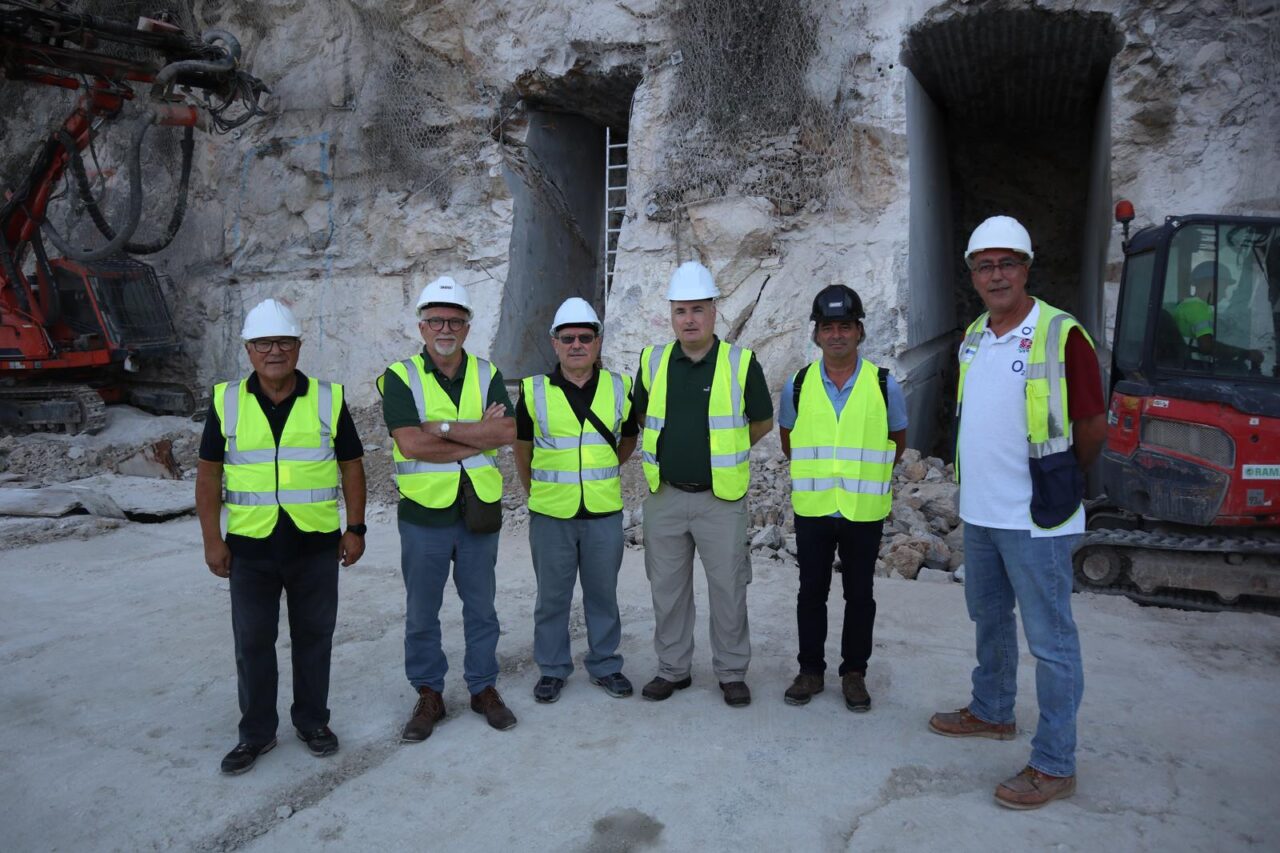
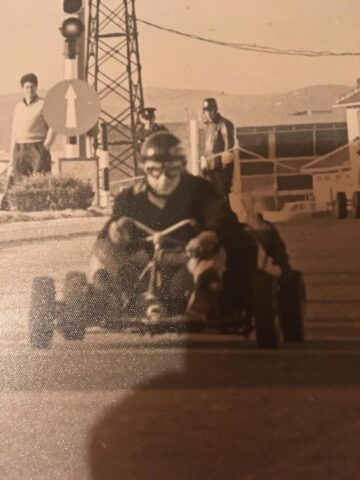
On completing his apprenticeship in 1967 he worked as a Motor Mechanic. A year later there were vacancies for Draughtsman in the City Council. John applied and was successful because of his own interest and the work he had already undertaken whilst an apprentice. Although, he tells me he was perhaps lucky as well. Having been a scout since the age of 11 (1st/4th) on the interview panel that year was the then Chief Commissioner of the Scouts Reggie Norton. He owned a go-kart which he gave to the scouting movement in the days when there were go-karting sessions on the Rock. John became part of the racing team (aged 17) and as a young mechanic took over the maintenance of the vehicle. The go-karting races were held around the Sundial. They even represented Gibraltar in events in Malaga and Tangier. John also was part of the scout team which provided meals to the British subjects that had been expelled from Spain in 1964-65. Although there was only one position available two people were taken on and John became a trainee Draftsman joining the City Council Drawing Office in 1968. He would remain in this department until the merger of the Lands and Works Department and City Council to form the Public Works Department where he worked well into the mid-1990s. In later changes he became part of smaller units. Over the years John became more involved in structural detailing working mainly with the Structural Engineer creating structural drawings after attending a year’s course in the UK on Structural Design and Detailing. Over the years he worked on numerous government housing projects including St Joseph’s Estate and Rosia Dale both in the South District. His first project though was the Gibraltar Pilots Station on Waterport Wharf where the Gibraltar Taxi Association main office is located today. He would later project manage Government buildings (including all schools) before his retirement in 2007.
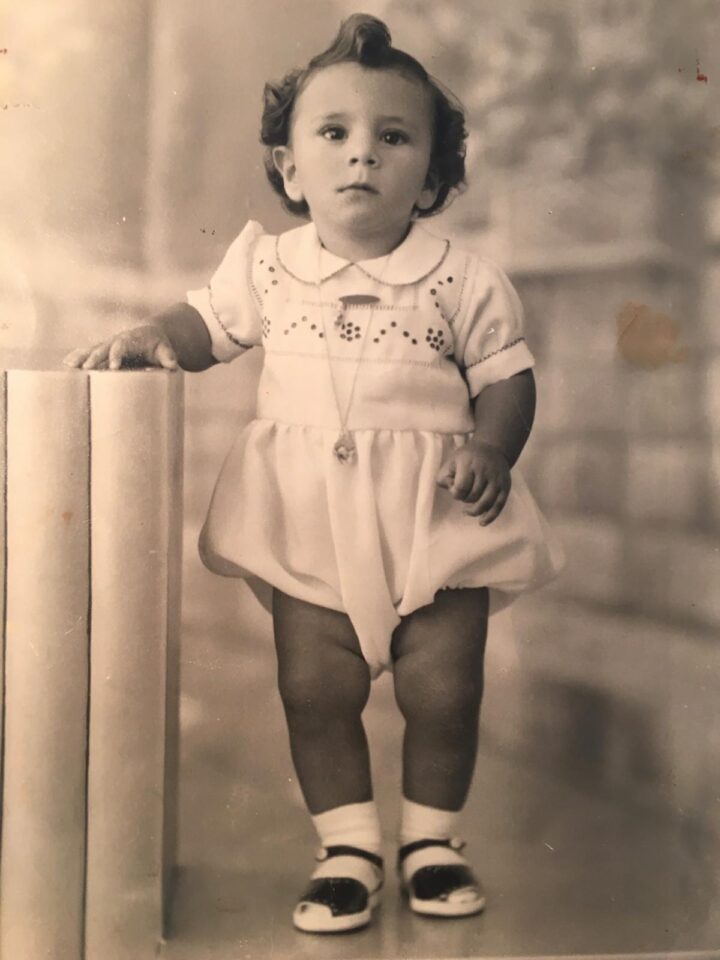
John has now served as a Trustee of the Gibraltar Heritage Trust for over 11 years. It was on joining the Drawing Office as an apprentice that he got interested in heritage matters. At the time he was working in the Drawing Office with heritage enthusiast and author of several books on local history George Palao. It was inevitable this would happen – and lead to him getting involved in caving and carrying out a series of excavations with Mr Palao.
“I joined him in lots of caving expeditions such as in Leonora’s Cave, Goats Hair Twin Cave and Mammoth Cave in Gibraltar also called Signal Station Cave, and this is what really got me interested in the history of Gibraltar.”
At 14 years of age, he became involved in local drama. It was whilst in St Jago’s that he joined Group 56 after producer Cecil Gomez asked for volunteers. John would participate and act in the Spanish drama ‘Fuenteovejuna’ by Lopez de Vega and later Shakespeare’s ‘12th Night’ in the Alameda Open Air Theatre and he also took part in both initial ‘Lola’ plays written by Elio Cruz.
He would then act in Drama Festival plays and would also help with St Joseph’s Drama Group and was still active when both groups amalgamated to become Group 70. It was during his participation in the drama festivals that he would meet his future wife, Marilyn. They married in 1974 and had two children – Lizanne and Nicholas. They now have four grandchildren.
He tells me that when the frontier closed in 1969, he was involved in so many things that life carried on as normal – the community remained very active – and there was an increase in local sport, and in social events including tea dances, music events – and especially discos. There was always something to do.
“The frontier closure would have affected some older people like my mum who could not go to visit her sister in La Linea and who by then had remarried. But for our generation there was always something going on – of course like everyone else we went on the Scalextric run, especially on Sundays in our cars, but we also picnicked up the Rock, and then there was the beach in the summer, plus everything else we were involved with.”
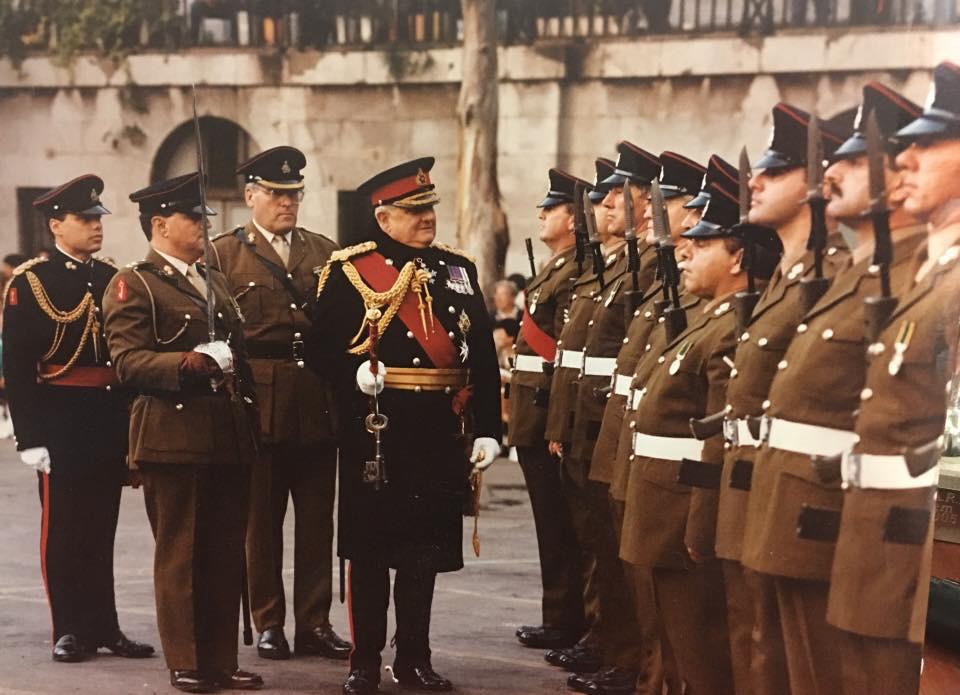
In 1969 he joined the Gibraltar Regiment. As an apprentice he had been exempt from carrying out National Service at 18 but then after a conversation at work he took up the challenge at the age of 21. He was drafted in 1969 and enjoyed his four months. The Gibraltar Regiment would play a very big part in his life. He would play football and hockey and would also row for the regiment.
You will recall his father had joined the GDF at the outbreak of war in 1939 as artillery. John had wanted to do the same, but the option then was only infantry. However, when the T.A. was formed in September 1971 John joined up and became a Gunner just like his father had been. Moving up the ranks he became a Sergeant and then moved into Signals – and over time attended different camps and courses. In 1991 he accepted a Commission as a Reserve in the TA.
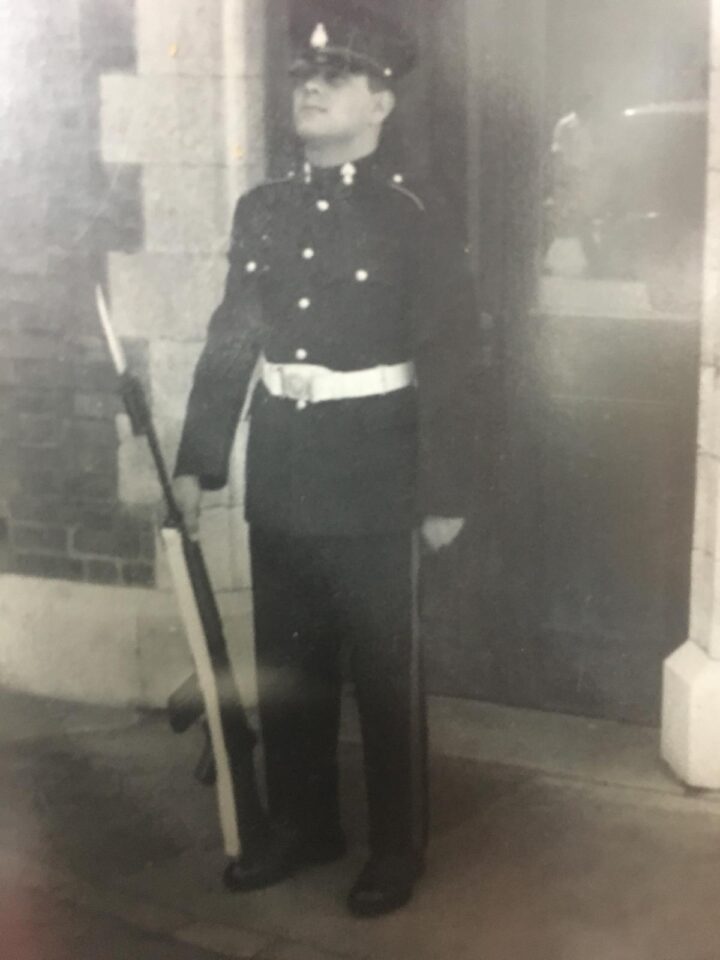
“The regiment offered me discipline right from the start. I enjoyed being in the army – the drill, the parades and the camaraderie.”
It was really through the regiment that I got to know John when I reported for the Chronicle on the Gibraltar Regiment training camp which was held in Cyprus. But I also remember John from the Drama Festival when he formed part of the Gibraltar Regiment Drama Group with the late John Ritchie, and his wife Monica who acted in all the plays. I especially recall the year they produced the comedy ‘Move Over Mrs Markham’ by Ray Cooney and John Chapman. He would eventually become one of the founding members of GADA.
Years later we both found ourselves serving as Trustees at the Gibraltar Heritage Trust.
The Heritage Trust is very important, he says, in highlighting elements of our heritage which should be well-maintained and preserved.
“It has come a long way, and the Trust remains very active in the preservation of our heritage. The role is to look after our heritage – buildings, monuments, customs, our stories and identity - all of what is Gibraltarian.”
John was also at the helm of a report on the state of the City Walls which he feels very strongly about and believes need to be well-kept. He believes the Trust should continue to promote local heritage but also feels there could be more interest in local heritage from the community. Although there is more now than ever before, he acknowledges: “This is vital for the future and our identity as a people.”
His message is that everyone should be more engaged in preserving our past as a way forward for our future – “and that is why I believe the work of the Gibraltar Heritage Trust is so vital” – as a constant reminder of the importance of our heritage and identity as a people.