


Plans aim to turn O’Hara’s Battery into immersive heritage attraction
Images created by Garcia+Cox Architects Ltd.


The historic O’Hara’s Battery could be transformed into an immersive heritage attraction with restored military machinery, audiovisual experiences, improved visitor facilities and a new souvenir shop under plans submitted to the Development and Planning Commission by the Ministry for Environment who are responsible for the Upper Rock.
The privately funded Government project aims to “conserve, enhance, and better interpret an asset whose historic form and significance have remained largely unchanged for many decades, said the planning statement prepared by Garcia+Cox Architects for Visionary Tourism Investments (Gibraltar) Limited and filed with the application.
“The project aims to secure the long-term preservation of the battery through a programme of conservation-led restoration, improved accessibility, enhanced interpretation, and carefully considered visitor facilities,” said the planning statement.
“By revealing and celebrating both the visible and hidden elements of the site, including the gun emplacement, machinery spaces, tunnels, and historic chambers, the proposals seek to transform O’Hara’s Battery into one of Gibraltar’s premier military heritage attractions while ensuring that its significance, authenticity, and character are preserved for future generations.”
“The vision for the site is not simply one of preservation, but of active stewardship; creating a sustainable, educational, and engaging heritage destination that strengthens Gibraltar’s cultural offering while safeguarding one of the most important surviving components of the Fortress of Gibraltar.”

At the heart of the proposal is an attempt to shift the experience at O’Hara’s Battery from one focused largely on the gun and panoramic views to one that makes greater use of the extensive military infrastructure beneath it.
Visitors would enter through the existing gateway, which would be retained unaltered, before progressing through the control room, machinery spaces, magazines and underground tunnels.
The route would culminate at the restored 9.2-inch gun and its platform overlooking the Strait.
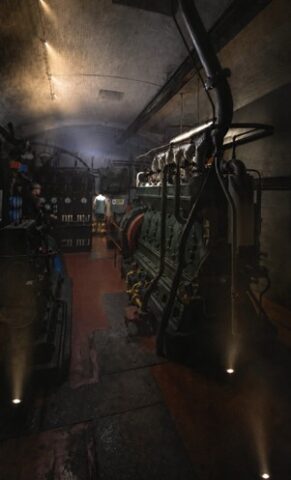
“One of the principal objectives of the proposal is to enhance the visitor experience by creating a clear and engaging journey through O’Hara’s Battery, allowing visitors to fully appreciate the site's historical significance, strategic importance, and remarkable surviving infrastructure,” said the statement.
The design proposals have been developed around a series of core conservation and architectural principles that have informed every stage of the project, the statement added.
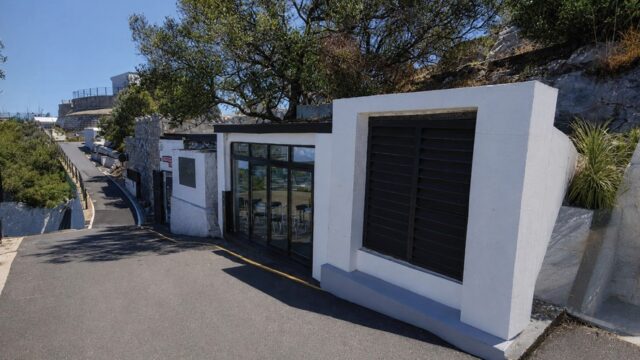
Plans include orientation and ticketing facilities, permanent visitor welfare facilities, improved circulation, refreshment areas and what the application describes as a modest retail or souvenir facility.
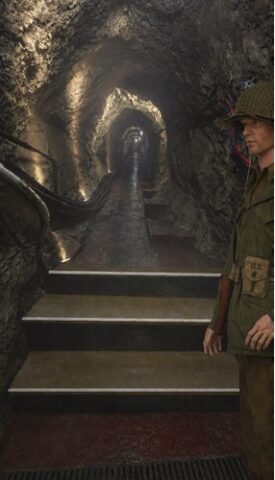
Concept designs also envisage an immersive experience inside the historic Engine Room using controlled lighting, engine sounds, wartime military audio, subtle vibration and mist or haze.
The tunnels would use lighting and sound to recreate aspects of their wartime use, including radio communications, muffled orders, footsteps, mechanical sounds and warning signals.
“The design is informed by historical evidence, not arbitrary architectural decisions,” said the planning statement.
The project team said it had reviewed historic military plans and archival records to understand how the gun emplacement, magazines, machinery rooms, tunnels and observation points worked together when the Battery was operational.
The plans also place considerable emphasis on conservation.

Although the site is described as generally being in good condition, the planning statement noted there is corrosion of metalwork, weathered and deteriorating paintwork, uneven and patchwork external surfaces and worn finishes in some of the underground areas.
The 9.2-inch gun, despite previous restoration work, also shows signs of corrosion and deterioration caused by its exposed position and constant contact with wind, moisture and salt-laden air.
The proposal calls for specialist treatment of the gun, including surface preparation, protective coatings and repairs, rather than reconstruction or replacement.
A wider conservation methodology adopts what the project describes as a “minimum intervention” approach, retaining original fabric wherever possible and repairing rather than replacing historic elements.
The external areas around the gun would also be resurfaced and repaired to provide a more consistent finish and improve accessibility and safety.
Inside, the tunnels would undergo more limited work, including improved cable management, repairs, enhanced lighting and general maintenance.
The ammunition magazine, which the planning statement said is one of the best-preserved parts of the site, would retain its surviving shelving and historic features, with improved lighting and interpretation proposed around them.
The architects consulted the Gibraltar Heritage Trust during development of the plans, with Claire Montado and Ian Balestrino visiting the Battery to review the emerging scheme and its conservation approach.
According to the application, observations and historical information provided during that visit were taken into account as the design developed.
The application has yet to be debated by the Development and Planning Commission.


