


Scouting ‘more than badges and campfires’ says new Chief Commissioner


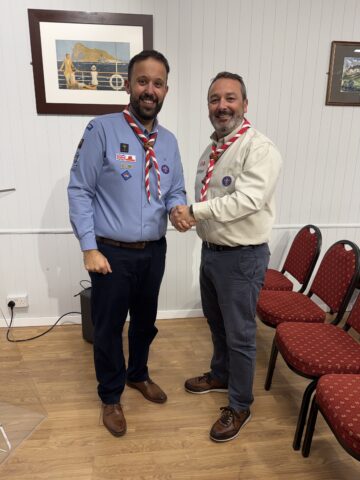
Chris Gomez has been appointed the new Chief Commissioner, also known as the Chief Volunteer of Gibraltar, of the Scouts Association of Gibraltar, a role with a set tenure of 10 years like his predecessor Mark Rodriguez.
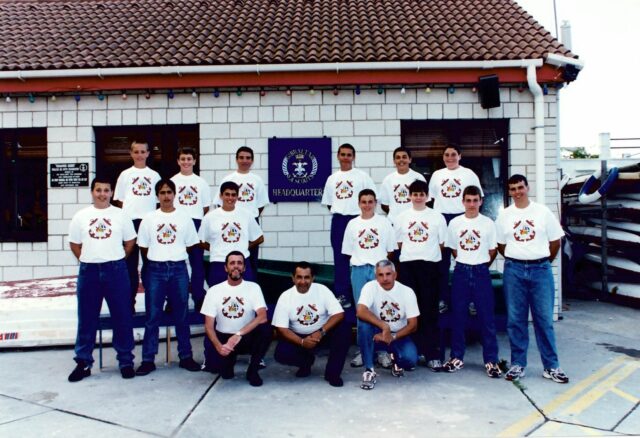
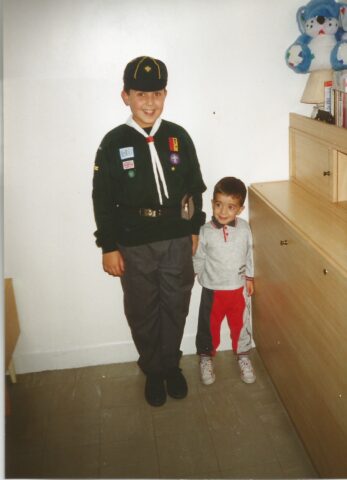
Mr Gomez has been involved with Scouts since the age of eight and has served as an adult volunteer for more than 22 years.
As he takes to his new role, one of his aims is to show that scouting is far more than badges and campfires, it’s about building skills that last a lifetime.
The breadth of knowledge gained goes beyond survival skills, encompassing teamwork, resilience, and leadership.
"I'm not going to say I'm an expert at everything, but you get these small skills that build up, how to make a fire, administer first aid, pitch a tent. The things I learned when I was eight, I still have with me today."
These activities are often undertaken with little fanfare, but their impact is deeper.
"For children, especially, working towards these things, unknowingly to them, they are learning lifelong skills."
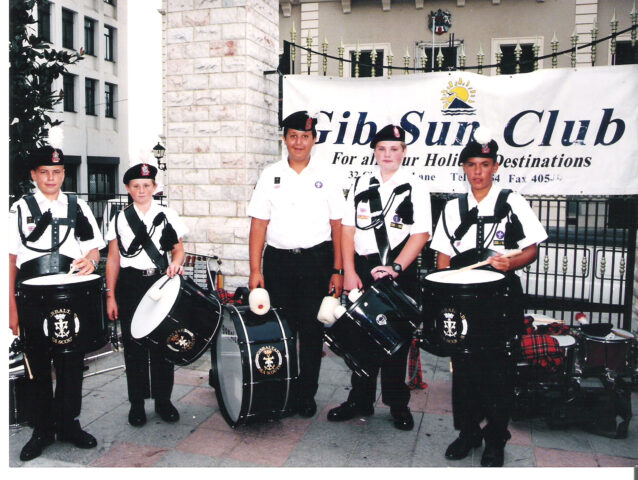
Whether it’s canoeing in the Bay, sailing around the Rock or tying the perfect knot, the experiences accrued make an indelible mark.
One of those children currently benefitting from the Scouts is Mr Gomez’s eldest son, who at the age of seven is currently a Beaver, and will advance to being a Cub when he turns eight.
He is joined with a number of his friends, meaning there is a steady stream of youngsters aiming to join the association.
His younger sibling is also sure to follow.
“It's good because it gives them a difference to being in the house and watching YouTube and all that,” he said.
In one of his previous roles, Mr Gomez was a Beavers leader.
“I used to help with the smallest ones and when you show them how to do first aid for example, you see them doing it and trying it,” he said.
“You're not expecting them to be superheroes and saving people's lives, but they do know, and they do learn.”
“When you're looking at them and you see that they've captured something, and they're realising that what they've learned is important and can help someone. Then you're like, I'm doing something good.”
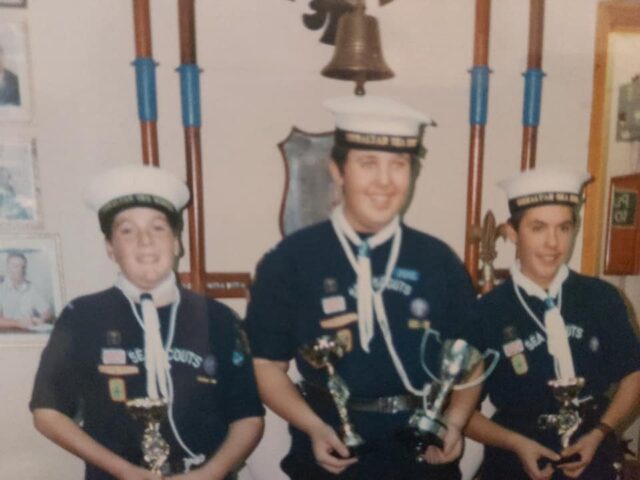
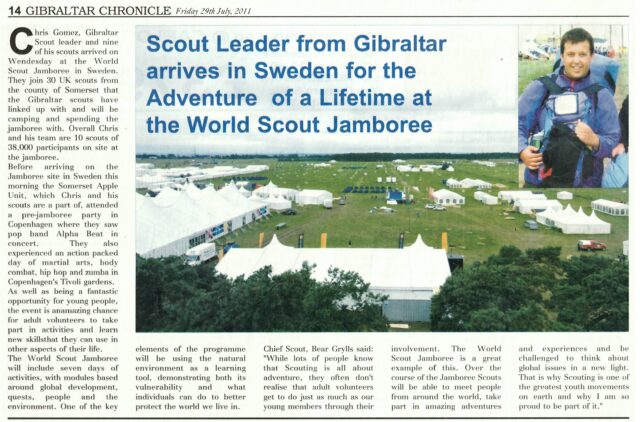
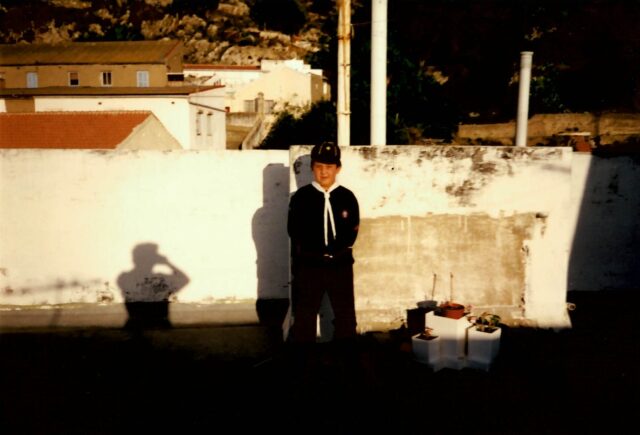
The Scouts is not short of youngsters wanting to join, in fact there is a waiting list to sign up. As a result, one of Mr Gomez’s aims over his ten year tenure is to recruit more adult volunteers.
Despite a waiting list of children eager to join, there simply aren't enough hands to guide them.
“Like many volunteering organisations, I think one of the biggest issues we have is adult volunteers, and we do very well in trying to attract kids,” he said.
“We’ve got a huge waiting list of kids trying to get in. But what we see now is that we are struggling a bit with how many adult volunteers we have.”
“We have to try and encourage more adults, whether they’re parents or relatives, or if not anyone from the outside.”
“To be fair, some parents want to help and I can understand that it's a bit daunting. We're not going to try and sugar coat it. It is a bit daunting when for people who are not teachers or are not dealing with [children] regularly. It is one thing dealing with your child, and another thing is dealing with 20-odd at the same age.”
To try and get more adults involved, he will start off with parents and then aim for others to help out.
In addition, he wants to encourage the older scouts who turn 18 to realise that they can still take part and become a leader, like he did in Scotland when he attended university there.
Any adults thinking of becoming a volunteer do not have to have been a scout when they were younger, Mr Gomez added as, like all organisations, the Scouts encourage people to come in and if they truly want to help, they will show them around.
“Put this way, we're not going to let them loose with 20 or so kids. There's a role for everybody, depending on their experience. We're not expecting everyone to come every day and we're not expecting everyone to give hours and hours every week,” he said.
“We understand that people have other lives and all that, so however much time they can afford will be a benefit to us.”
“Obviously we have all of our policies and rules. Everyone has to go through a series of vetting and disclosure and then safeguarding training and safety training.”
Keeping with his ambitions for the next ten years, he stated that one was to keep the unit growing and getting better.
He added that it is also about how the Scouts come across to the public.
“I think one of the things that I'd like to do is, like, to show people what we do,” he said.
“They think they know of us, but they don't realise, like, the question you asked me, ‘What did I get out of it? What do kids actually get out of it?’”
“I know nowadays, lots of parents are with kids on YouTube or Playstation or whatever it is, and I think we give them an alternative where they learn stuff, they're with friends, they have a good time.”
“Well, that's the primary aim, for them to have a good time.”
“And I think that a lot of people don't realise that we're here and what we do. And they learn responsibility, teamwork, patience, and scouting also builds confidence and communication skills.”
The movement is proudly inclusive, welcoming children regardless of gender, background, or religion, he said.
"We get kids who are very, very shy and kids who are outgoing. Eventually, those who are shy become more outspoken and confident."
For more information, visit the Scouts website: https://scouts.org.gi/
Most Read
HMS Dragon stops in Gib for stores and personnel on its way to Eastern Med
Tue 17th Mar, 2026
Queen’s Hotel residents living in squalid conditions set for relocation
Mon 16th Mar, 2026

Today's Paper
1st February 2026
Read our latest newspaper by downloading our app from the link below.


