


Full planning application filed for new waste treatment facility
Images courtesy of Arc Design Ltd


A full planning application has been filed with the Town Planner by Recycle.gi for the construction of the first phase of a waste treatment facility at 4-4a Europa Advance Road.
A design statement, prepared by Arc Design Ltd and filed with the application, said the proposed site previously formed part of Gibraltar’s existing waste management infrastructure but that the new development represents a “significant step forward in environmental responsibility and sustainability”.
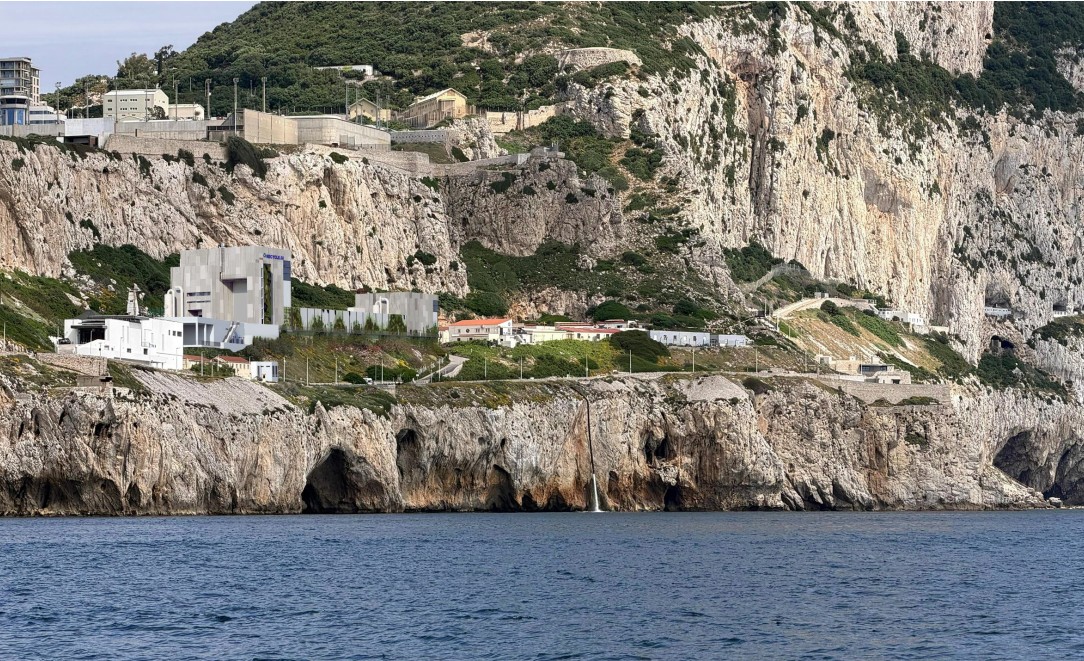
“The project has been designed to ensure that Gibraltar’s waste is managed in a manner that minimises environmental impact while maximising resource recovery, in line with the objectives set out in the Expression of Interest (EoI) documentation and Gibraltar’s 25-Year Environmental Plan,” the statement said.
“A core principle of the proposal is the minimisation of waste through the implementation of advanced waste sorting, separation, and recycling processes.”
The project seeks to prioritise waste reduction, recycling, material recovery and responsible processing, while reducing reliance on incineration and landfill.
Using advanced sorting technologies, the facility aims to support public health, environmental protection, resource efficiency and Gibraltar’s transition towards a circular economy.
Gibraltar’s waste management facilities are currently spread across Europa Advance Road and Devil’s Tower Road. These sites handle bulky waste, temporary domestic waste storage, and basic waste sorting.
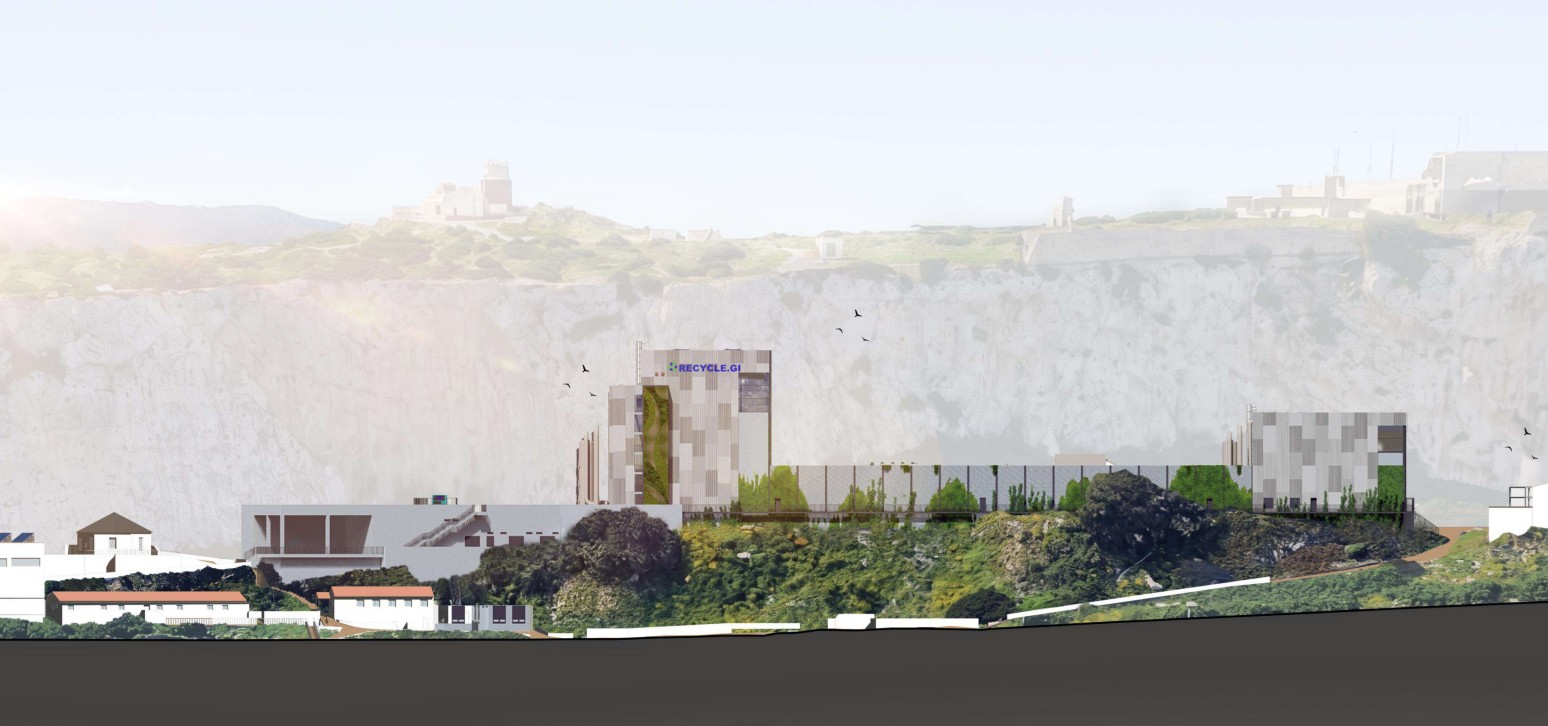
The proposed site is a brownfield area which previously housed the waste incinerator facility.
Since then, the site has been vacant and largely inactive except for the civic amenity facility. It also houses bulky waste and a baler.
The design statement noted that the nearby area contains numerous historic military structures and important heritage sites, including Nun’s Well and the UNESCO-listed Gorham’s Cave Complex, as well as civic and cultural landmarks, such as Europa Point Lighthouse, the mosque, the University of Gibraltar, and sports facilities.
But it added that the site itself is located within a predominantly light industrial area.
The current development plan dated 2009 has the site in Zone 7 which is designated for a mix of infrastructure, industrial, utility and related land uses, particularly along Europa Advance Road where such activities are historically established, the design statement said.
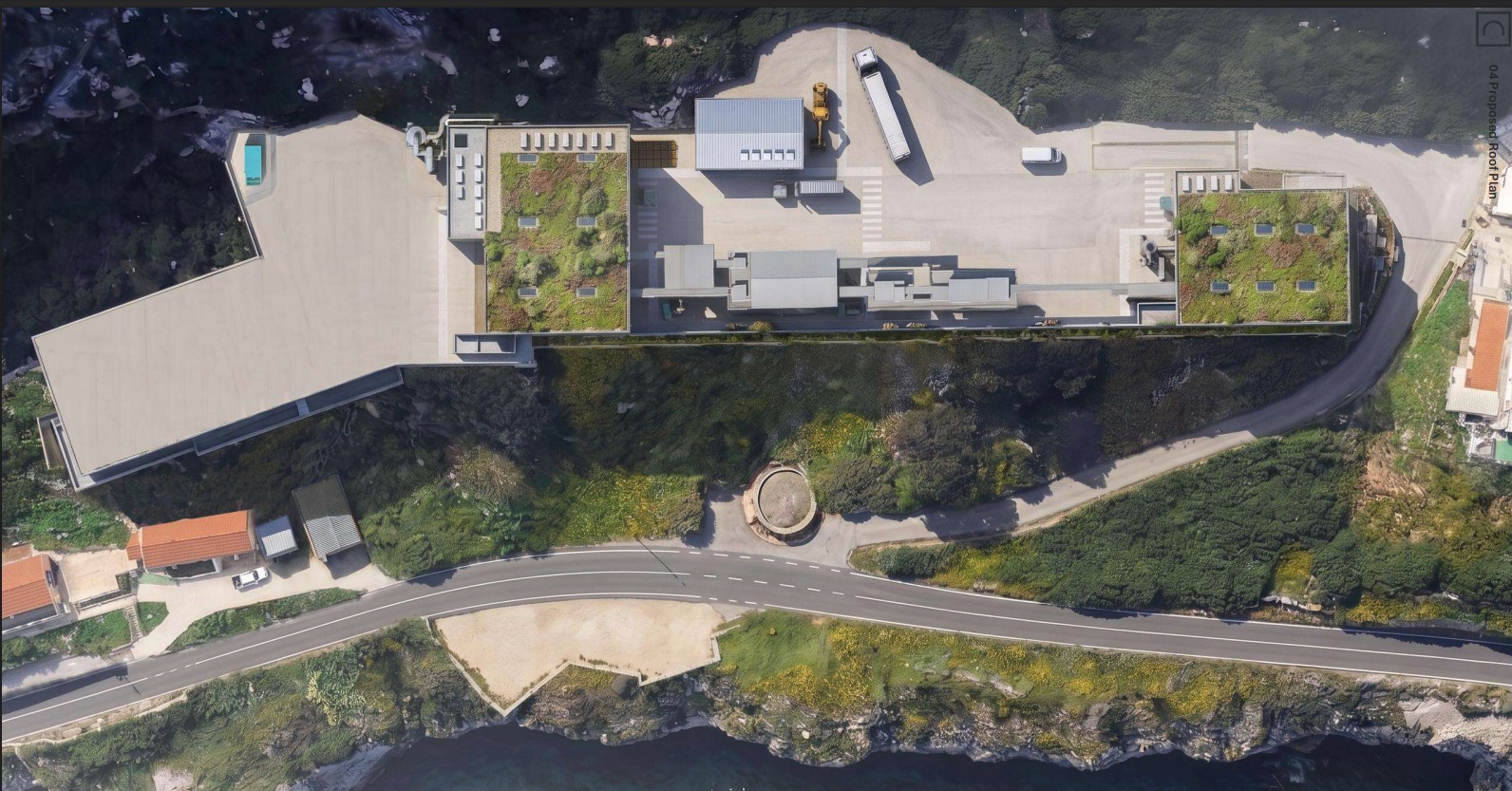
“The area is recognised as suitable for strategic infrastructure, including waste management and energy-related facilities, due to its relative separation from Gibraltar’s main residential areas,” it stated.
The “surrounding areas, including the Upper Rock Nature Reserve and the eastern cliff areas, are environmentally sensitive and sparsely populated."
"While the wider zone is identified for infrastructure and utility-related development, the Development Plan emphasises the need to carefully manage environmental and visual impacts, particularly in relation to the coastline, heritage assets, landscape character, and key views from the sea and Europa Point.”
“Development proposals are therefore expected to support Gibraltar’s strategic infrastructure requirements while safeguarding visual amenity and environmental quality."

In addition, Section 11 of the Gibraltar Development Plan sets out the Government’s wider waste-management objectives and policies, including the need to replace or refurbish the former energy-from-waste facility, which has remained out of operation since 2000, said the statement.
“The Plan also highlights the continued growth in municipal waste generation and states that the export of municipal waste to Spain is considered a temporary measure, with the long-term objective that Gibraltar should become self-sufficient in terms of municipal waste disposal,” it added.
“In this context, the proposed waste management facility forms part of Gibraltar’s broader integrated waste management strategy and is intended to contribute towards achieving these long-term policy objectives.”
Mentioning the Government’s 25-Year Environment Plan, the design statement said that the plan promotes a circular economy through waste prevention, reuse, recycling, improved resource efficiency, and reduced pollution.
There are two phases to the scheme, with the present application only relating to phase one.
“Phase one focuses on the delivery of a modern recycling and waste reception facility,” said the statement.
“This includes the construction of a high-specification Materials Recovery Facility (MRF) equipped with advanced sorting technology, enclosed waste reception areas, and integrated dust and odour control systems.”
“The aim of this phase is to significantly improve recycling rates, enhance waste segregation and material recovery, reduce reliance on landfill and untreated waste export, and provide Gibraltar with an operational waste processing facility as early as possible.”
“Phase 1 is also designed as a long-term standalone asset that forms the core of Gibraltar’s waste management strategy.”

The design statement also noted that phase two will involve the future integration of an Energy from Waste (EfW) facility, with the infrastructure delivered during phase one being specifically designed to accommodate this future expansion.
Municipal Solid Waste [MSW] and commercial cardboard will be delivered by collection vehicles, mainly during evenings and nights.
All vehicles will be weighed before unloading inside a fully enclosed tipping hall designed to minimise noise, odour, dust, and litter.
Waste will be processed using mechanical and manual sorting systems to recover metals, plastics, and cardboard for storage and export.
Remaining residual waste will be placed in an enclosed bunker, which also allows the facility to continue operating safely during maintenance or temporary recycling-line shutdowns.
All recyclable materials and residual waste will ultimately be exported off site using bulk haulage vehicles, primarily 40-tonne articulated lorries, during daytime operational periods, the statement added.
Buried weighbridge scales will provide accurate vehicle-load measurements that will support billing, regulatory reporting and environmental auditing, in addition to improving safety such as trip hazards and manoeuvrability of heavy vehicles.
Municipal waste will be discharged into the enclosed tipping hall, which is designed with sufficient capacity to accommodate a few days' worth of waste storage, providing operational resilience and continuity in the event of collection or processing delays, said the design statement.
“The building serves three primary functions," it said.
"Firstly, it prevents waste from being dispersed by strong winds, ensuring that materials remain contained within a controlled environment and reducing the risk of littering both on-site and in surrounding areas.”
“Secondly, it restricts access by wildlife, particularly birds and native macaque populations, thereby minimising health risks, contamination, and disturbance to both animals and site operations.”
“Thirdly, the enclosed design supports effective odour management. By containing waste within a sealed or semi-sealed structure, the facility can implement ventilation and extraction systems to control and mitigate odorous emissions, improving environmental performance and reducing nuisance impacts on nearby receptors,” it added.
The Sorting Plant will separate and break down incoming waste into smaller pieces so that they can be handled, transported, or treated more efficiently in later stages of the facility.
A wide variety of other machines and areas, including a manual sorting area, will assist in the separation, treatment or storage of the waste during the various stages of processing.
“The proposed Waste Management Facility is a key infrastructure project designed to improve Gibraltar’s waste handling in a more sustainable and environmentally responsible way," the statement concluded.
“The development has been carefully planned to manage and minimise impacts across areas such as air quality, noise, traffic, ecology, heritage, water, and the local community through appropriate mitigation and control measures.”
“Overall, the facility will significantly enhance recycling and resource recovery, reduce reliance on landfill, and support Gibraltar’s transition towards a more circular economy.”
“With provision for future expansion, including Energy from Waste, the project is designed to be flexible and future-proof while maintaining strong environmental protection and long-term sustainability goals.”
The application has yet to debated by the Development and Planning Commission and the closing date for public comment is August 11, 2026.


