


Blue plaque recognises British divers’ underwater war
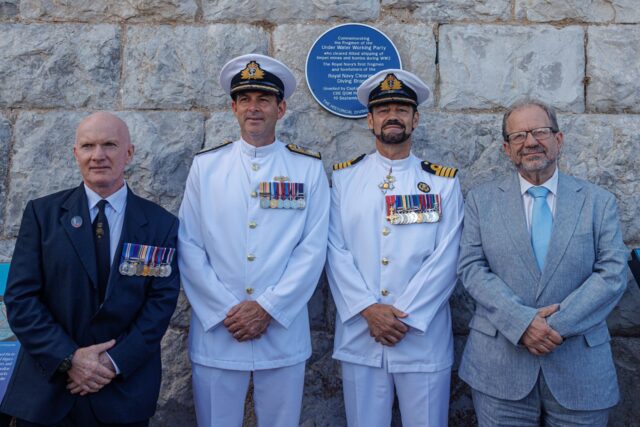
Blue plaque at Rosia Bay recognises the job done by the Under Water Working Party during the WWII. Photo by Johnny Bugeja


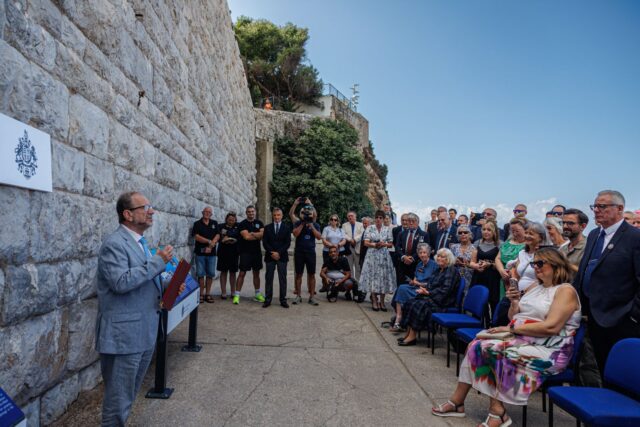
A blue plaque has been unveiled in Gibraltar, at Rosia Bay, honouring the 15 divers of the Under Water Working Party (UWWP) who safeguarded Allied shipping in the Bay of Gibraltar during the Second World War.
This joins two other blue plaques, sited at Brixham and Appledore in the UK, which recognise the efforts of servicemen who worked in one of the most hostile environments of the war.
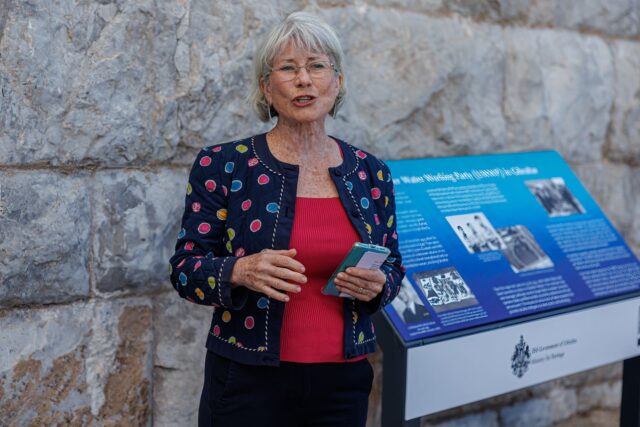
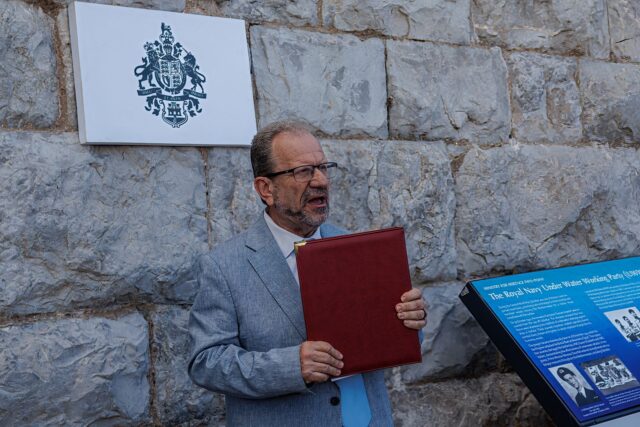
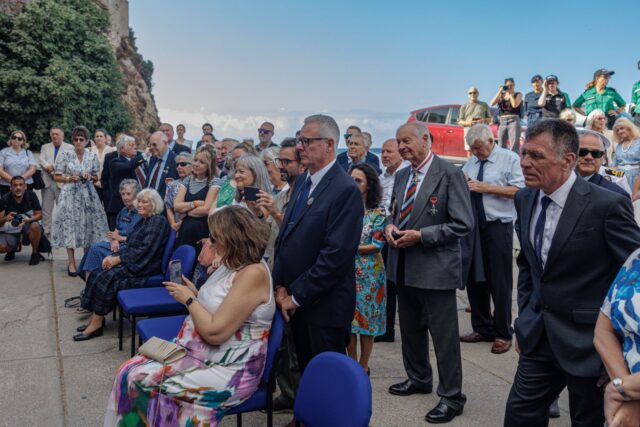
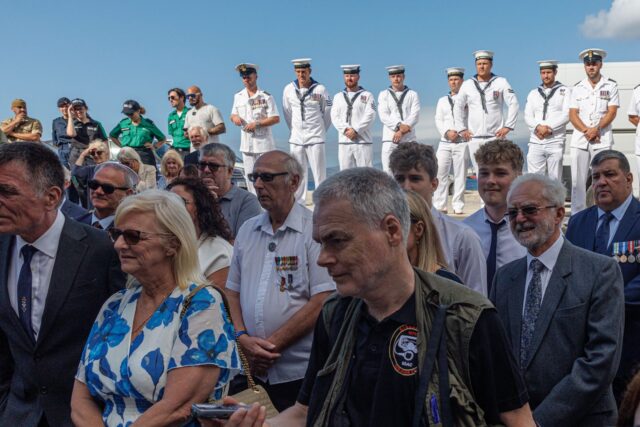
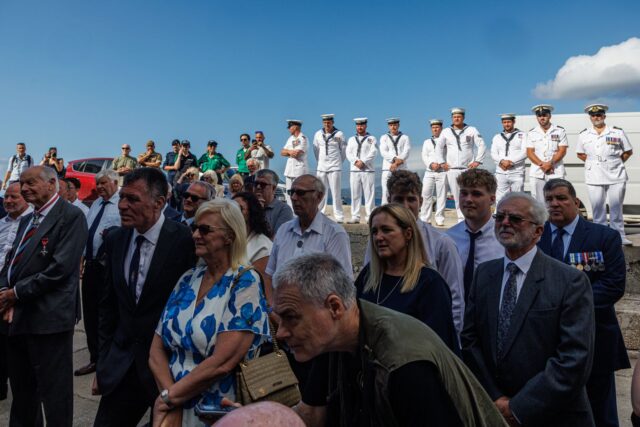
The Rosia Bay plaque was unveiled last Saturday in the presence of serving and former Royal Navy Clearance Divers, members of the Historical Diving Society (HDS), descendants of UWWP personnel, Minister for Heritage Dr John Cortes, and other guests.
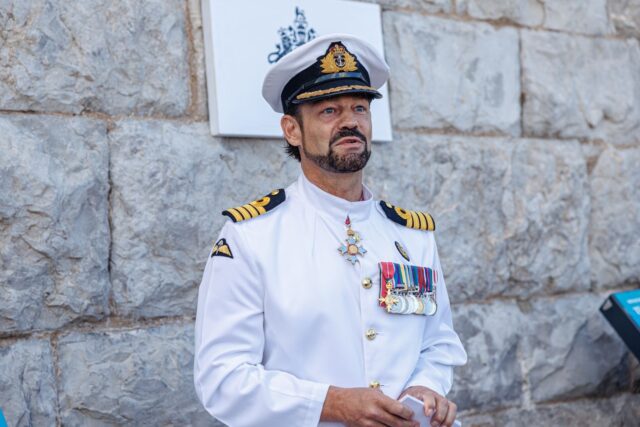
CBF Commodore Tim Davey described the work of the UWWP as “incredibly relevant”, highlighting the small size of the group and the important role it played in protecting ships and people in Gibraltar during World War Two.
“It's a great privilege to be here and supporting the Historical Diving Society and the Government of Gibraltar in remembering the amazing work of our Under Water Working Party here in Gibraltar,” Cdre Davey said.
Cdre Davey also spoke of his personal connection to the work, having trained as a mine clearance diver himself in 1999. He said it was particularly meaningful to recognise Gibraltar’s support for the divers and to honour their service alongside their families.
Mike O’Meara, chairman of the HDS, highlighted the challenges faced by the British volunteers.
“The Italian enemy was silent and very, very successful, they were specialized.”
“The Italians were ahead of us. They had developed the equipment, Chariots, diving suits... we were really behind the curve.”
Mr O’Meara said the British volunteers had to adapt quickly despite having no specialised equipment, working instead in basic clothing such as white sweaters and shorts.
And they had to learn on the job.
“This was not just about finding a limpet mine or an explosive device. They had to work to remove it and some of these limpets would have been fixed with anti-removal devices. And they didn’t know that.”
Mr O’Meara also highlighted the strategic importance of the Strait of Gibraltar during the war.
“The Strait of Gibraltar was absolutely critically at that moment, as it is today.”
Dr John Cortes emphasised the links between Gibraltar and the Royal Navy “as part of Gibraltar's history,” and highlighted how the divers faced situations where a misjudgement could be fatal.
“Men such as Lieutenant Bill Bailey, David Morrison Bell, Ransom and later Lionel ‘Buster’ Crabb undertook extraordinarily dangerous work,” Dr Cortes said.
“They inspected the hulls of ships, identified suspicious devices and in some cases rendered enemy mines safe, knowing that the smallest error could cost them their lives.”
“Today's plaque and the two interpretation panels will ensure that this story is visible here at the place where part of that history actually happened,” he added.
“And it's therefore an honour to be here today on behalf of His Majesty's Government of Gibraltar to commemorate the courage and the service of the Royal Navy divers who operated from Gibraltar during the Second World War and to ensure that the contribution is remembered by all future generations.”
Captain Al Nekrews unveiled the plaque after the speeches, saying the men deserved greater recognition as pioneers.
“They didn’t have a previous generation of Royal Navy frogmen to teach them. They simply had to learn the job by doing it.”
Gallery by Johnny Bugeja:
Most Read
As long-stay patients move to Rooke, plans for new services at St Bernard’s Hospital
Mon 21st Sep, 2026
New bus stop signs and solar-powered lighting rolled out across Gibraltar
Mon 21st Sep, 2026
Former teacher and Scout leader who preyed on teenage boys jailed 14 years
Mon 21st Sep, 2026

Today's Paper
22nd September 2026
Read our latest newspaper by downloading our app from the link below.


