


Plans submitted to transform pig farm into butterfly park


A former pig farm in the Upper Rock Nature Reserve could be turned into a butterfly park showcasing Gibraltar’s biodiversity for visitors and locals alike.
Developer Greenfingers Ltd has filed plans to transform Lewis Battery from a derelict military emplacement with notable military heritage into a publicly accessible visitor attraction that fully respects the historical and natural significance of the site.
The plans include a visitor welcome centre with information about the reserve, a cafe and seating area, and a proposal to develop a trail linking to the Upper Town area below the site.
A planning statement, prepared by ArcDesign Ltd and filed with the application, states the developer “seeks to integrate sensitively with the surrounding natural and built environment, adhering to the policies governing development within the Nature Reserve.”
“At the same time, the design aims to deliver a sustainable development that enhances public engagement, provides educational and recreational opportunities, and gives long-term value to the community.”
“The approach balances conservation with adaptive reuse, ensuring that the site’s heritage character is celebrated and maintained while introducing a functional and environmentally responsible public facility.”
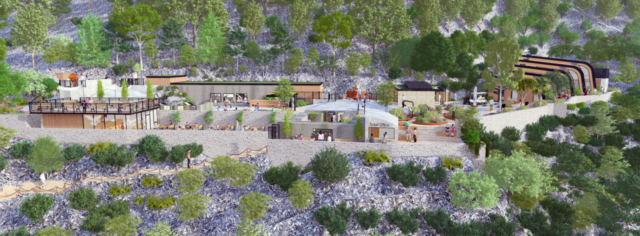
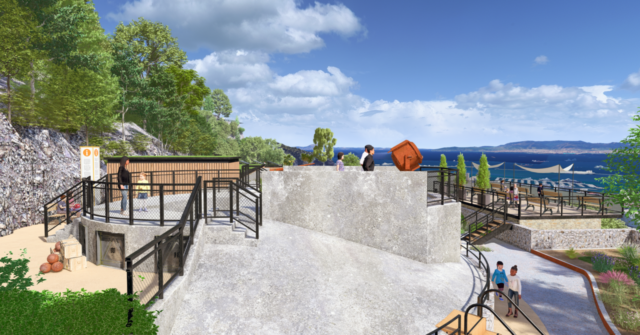
Lewis Battery has two areas. The northern area contains the historic battery, while the southern area holds buildings related to a pig and poultry farm that once occupied the site.
The core proposal is the complete refurbishment and “reinvention” of Lewis Battery as an immersive attraction.
A part of this attraction will be “Gibraltar’s first butterfly park” and aims to focus on biodiversity, conservation and environmental education, with workshops, guided activities and interpretive displays.
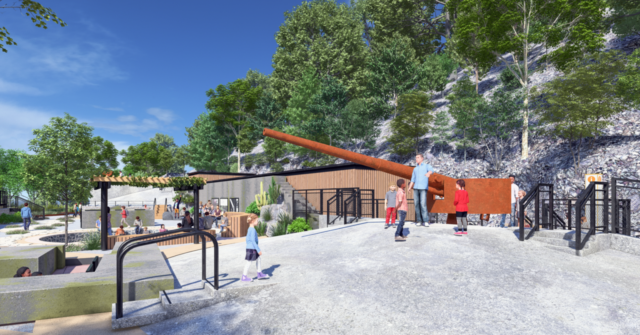
Another aspect is the integration and opening up of the historic battery structures, including the lower magazines, with guided access and interpretive material.
An earlier outline application for a rural hotel on the site was granted but no works were carried out.
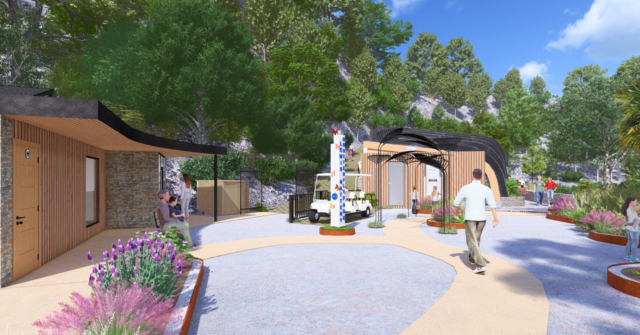
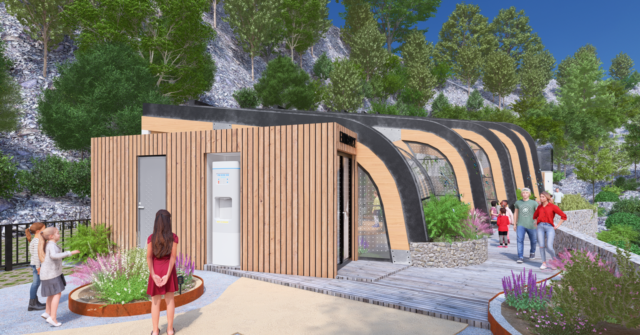
The main changes the project would bring are the demolition of modern agricultural and farm buildings, which are considered unsympathetic to the battery, alongside the creation of a welcome centre at the entrance using natural materials, with staff and welfare facilities and extensive butterfly-friendly landscaping.
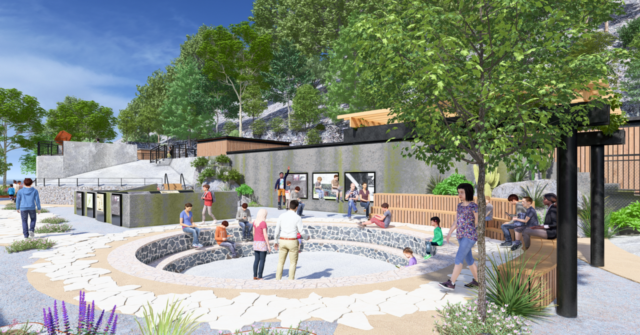
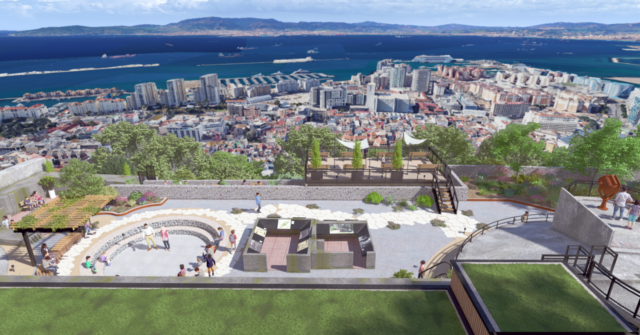
An outdoor learning and amphitheatre area with interpretation boards, insect hotels and interactive spaces is also envisaged, retaining and interpreting the Position Finding Cells.
An exotic butterfly enclosure on the former farm area will be the site’s focal point and there will be a new bridge-link structure behind the existing wall, creating a digital “experience” space and connecting the staircases to the magazines.
“Often overlooked and presently inaccessible to visitors, this site has untapped potential to become a meaningful and immersive attraction, offering a unique hands-on experience with nature and wildlife while preserving its historical integrity,” said the design statement.
“At the core of the proposal is Gibraltar’s first-ever butterfly park - a dedicated space designed to educate and inspire visitors about biodiversity, conservation, and the delicate ecosystems that sustain these beautiful creatures.”
“Through carefully curated environments, guests will be able to observe butterflies in various stages of their life cycle, gaining a deeper appreciation for their ecological role.”
“Beyond the butterfly park, the facility will provide additional opportunities for interaction with nature. These encounters will be designed to foster education, encouraging visitors to understand the importance of responsible stewardship and sustainable practices in relation to wildlife and habitat preservation.”
“The initiative will blend experiential learning with recreation, offering workshops, guided activities, and interpretive displays that reinforce environmental awareness and respect for nature.”
“Importantly, the intervention will be carried out with a sympathetic approach to the existing heritage structures on site. Rather than imposing change, the proposal aims to integrate the historical elements of Lewis Battery into the new design, maintaining its architectural character while enhancing its functionality and accessibility.”
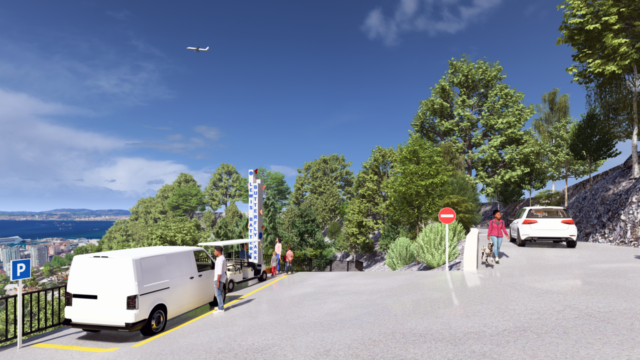
To improve access to the area the developer aims to upgrade and regrade the existing narrow ramp from Queen’s Road, keep the site as primarily pedestrian, with limited use of small electric carts and occasional service vehicles, create improvement to the roadside for a safer drop off zone and add a new path to connect it to the Lower Slopes National Trail, using an existing bunker as a ticket office. This is still to be discussed with the Gibraltar Government.
According to the design statement the trail is planned to extend from Devil’s Gap Path to Calpe Barracks, which is located a short distance below the Lewis Battery site.
“Once implemented, this trail will provide visitors with a safe and scenic route that highlights the natural beauty and ecological significance of the area,” said the statement.
Butterflies are at the heart of the project, with the developer aiming to showcase and support approximately 33 endemic species that are found in the Nature Reserve.
“As a vital stopover for migrating species, Gibraltar serves as a unique ecological bridge between Africa and Europe, making it the perfect setting to observe, study, and appreciate these fascinating creatures,” said the design statement.
“Through conservation efforts and immersive experiences, the facility will highlight the importance of butterflies in Gibraltar’s ecosystem while fostering greater awareness and appreciation for their role in nature.”
“A specialist complementary report has been commissioned for this project to ensure the accurate selection and support of native butterfly species.”
“This comprehensive document prepared by a lepidopterist with extensive experience of setting up similar facilities around the world provides detailed analysis of individual species, including their behaviour, life cycles, and habitat requirements, as well as the key plant species that attract and sustain them.”
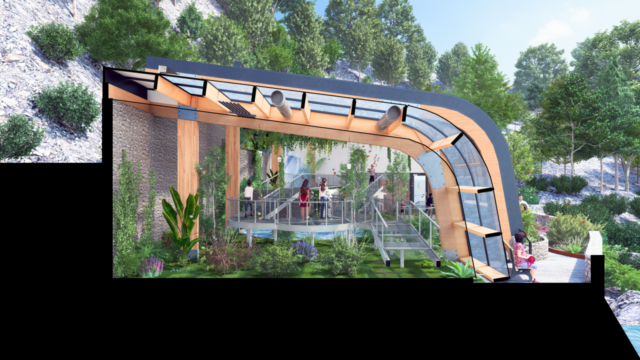
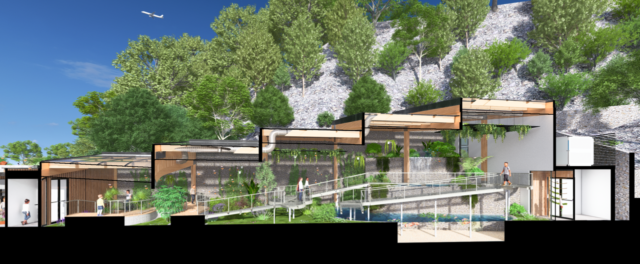
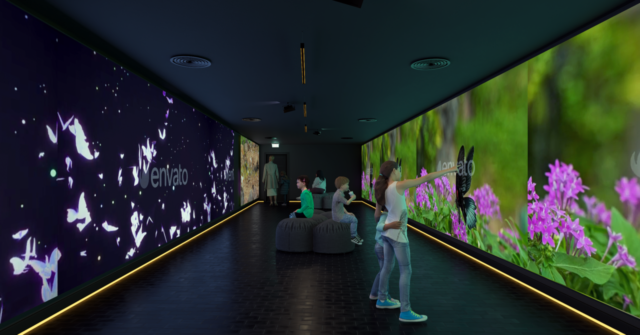
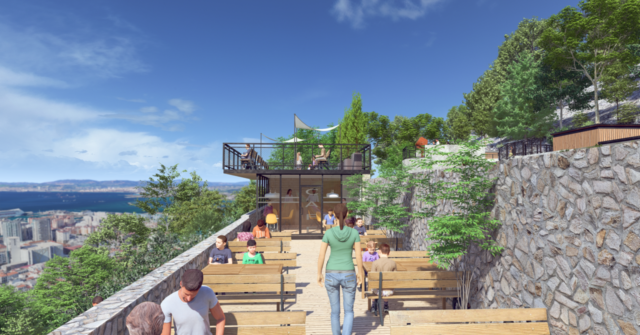
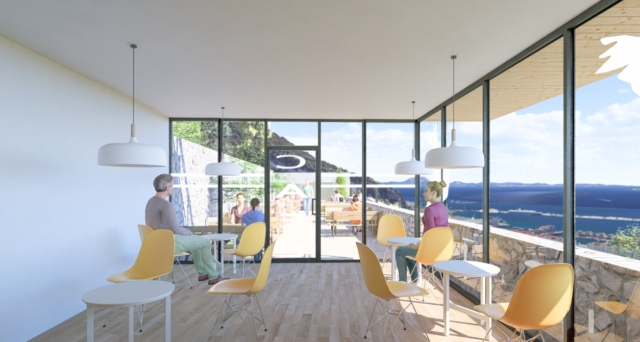
On the vision the developer has for the site, the design statement noted that Gibraltar’s Nature Reserve is a rare gem, that blend breathtaking landscapes, rich biodiversity, with deep historical significance.
“Despite Gibraltar’s global recognition for its Barbary macaques and avian migrations, its remarkable diversity of butterflies, moths, snails, and insects remains largely unnoticed,” said the statement.
“Over 600 butterfly and moth species have been documented, along with thousands of insect varieties, highlighting an extraordinary but underappreciated ecosystem.”
“The vision for Gibraltar’s Butterfly Park is to celebrate and preserve this hidden natural wealth, inspiring curiosity and conservation within the community and beyond.”
“Designed as both an educational hub and a tourist attraction, the park will showcase the beauty and ecological importance of these creatures.”
“This initiative aims to establish Gibraltar as a centre for environmental awareness while enhancing its appeal as a destination where nature and discovery go hand in hand.”
The project also incorporates outdoor spaces designed for teaching, workshops, and presentations, allowing visitors to engage in interactive learning about biodiversity and habitat preservation. The outdoor areas are set to be sensitively landscaped using native flora and locally appropriate plant species to support habitat creation and encourage native insects and butterflies.
A cafeteria and shop will offer refreshments and nature-inspired materials.
Most Read
Local man arrested on suspicion of assisting illegal immigration after port incursion incident
Fri 4th Sep, 2026
Potential for new flights prompts Gib to discuss airport parking with La Linea
Mon 24th Aug, 2026

Today's Paper
5th March 2026
Read our latest newspaper by downloading our app from the link below.


