


Lighthouse opens showcasing 185 years of history
Photos by Johnny Bugeja


The Gibraltar Lighthouse at Europa Point is now open to the public with guided tours giving visitors a close-up look at one of the Rock’s most prominent maritime landmarks and its working mechanisms.
The lighthouse is currently open for tours ahead of the official opening ceremony on September 17 when representatives from Trinity House, which has managed the lighthouse since the 19th century, will attend.
From that point, tours will be rolled out more widely, with plans for school programmes, corporate visits and tailored experiences for different groups and, for the first time in decades, the facilities have received an upgrade and renovation with the public in mind.
Dino Chincotta guided the press for a preview tour of the lighthouse which, he said, was built in response to a surge in shipping in the 19th century and now stands as both an operational aid to navigation and an emerging heritage attraction.
He said it occupies “a great vantage point” over one of the busiest sea lanes in the world as around 100,000 ships travel through the Strait of Gibraltar every year.
Construction of the lighthouse began in 1830 and was completed in 1841.
But before the current tower, Mr Chincotta said, there was a beacon.
He explained that ships once made offerings of oil at a local shrine so that a lamp could be kept burning.
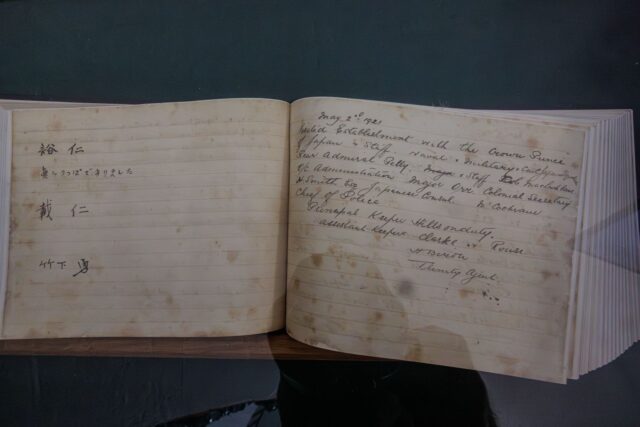
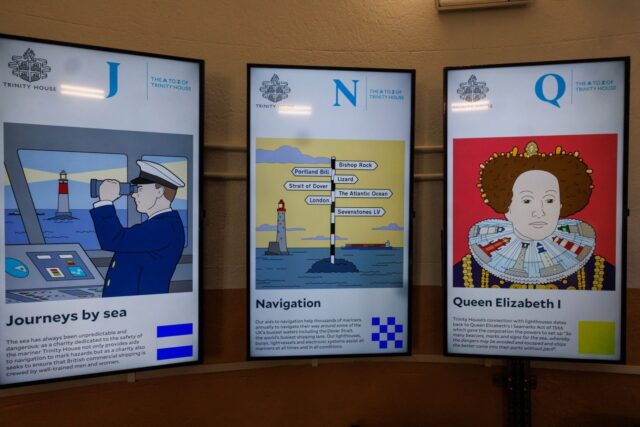
Since its construction, its lighting, lenses and fog signals have been repeatedly upgraded, including major modernisation works in the 1950s and full automation in 1994.
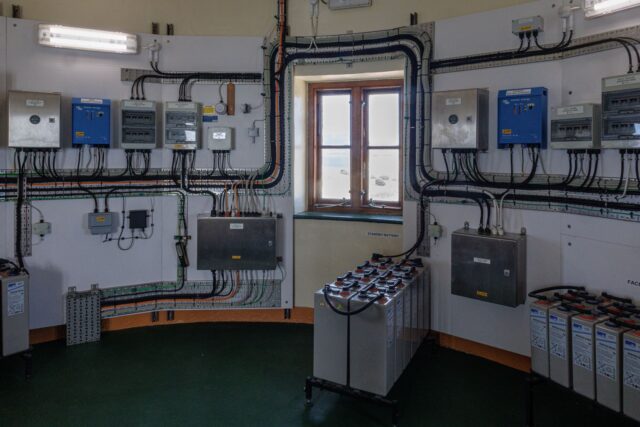
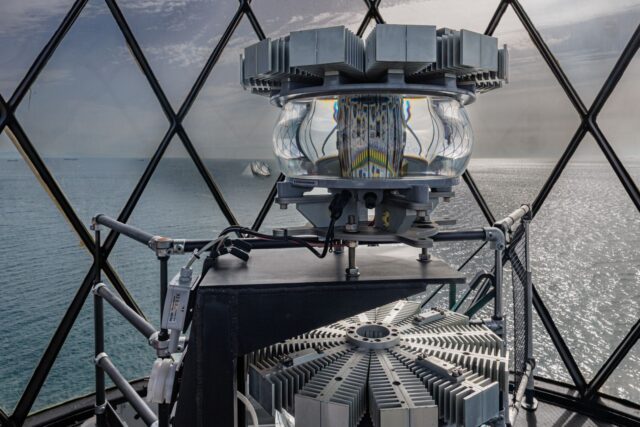
In 2016, the traditional rotating optic, fog signal and subsidiary light were replaced by modern LED lanterns with improved electrical systems, battery capacity and lightning protection. The original optic is now displayed at the University of Gibraltar, while the lighthouse is monitored remotely from Trinity House’s centre in Harwich, Essex.
The tours at the Europa Point lighthouse form part of a new charitable partnership, led by the Gibraltar Heritage Trust and Trinity House with support from Wright Tech Media Ltd with the Interpretation Centre at Europa Point adding to the visitor experience.
Visitors on guided tours will be able to climb to the lantern room at the top, stopping at key levels, including the battery room.
A stone staircase goes up to the first level where there is the sector room, which isn't accessible to the public.
Next is the battery room which houses the batteries that run the systems and the backup batteries as well, followed by what was the mercury area for the actual light on the next level, and then the final set of ladders takes you up into the actual lamp itself in the lantern room.
Visitors on the tour were shown original elements of the building, including flooring at the base of the tower that is over 185 years old and remnants of the pre-automation machinery.
A system of pulleys and a pendulum once powered the rotation of the light which had to be wound regularly by the lighthouse keepers.
Until 1995, three cottages on the site housed the keepers and their families. The lighthouse became fully automated in the early 20th century, with electricity supported by battery backup and a generator.
Today, the LED system is configured to a specific flashing pattern that distinguishes Gibraltar’s signal from other lighthouses in the region.
Each lighthouse has “a unique time” sequence so that mariners can identify their position in poor visibility, whether by light or, historically, by foghorn.
Tour participants were also reminded that it is a working lighthouse.
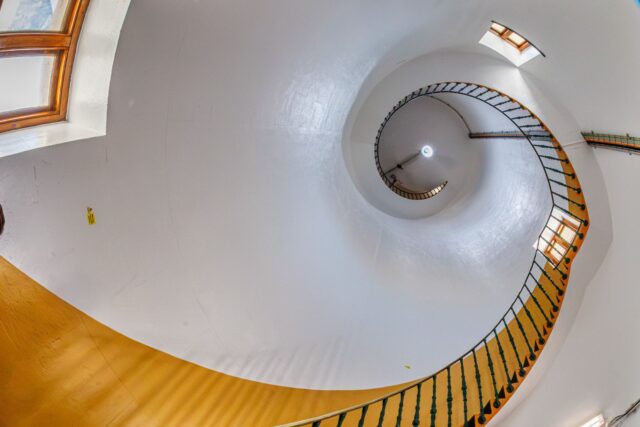
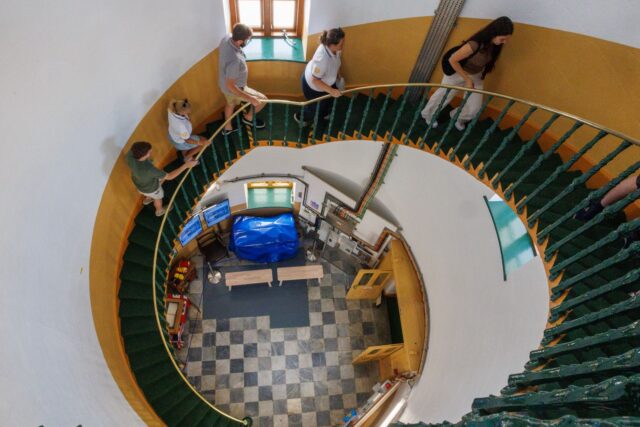
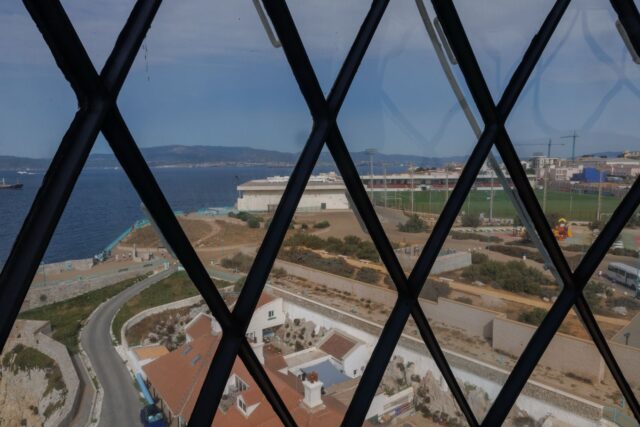
Mr Chincotta stressed the need to use handrails and to follow instructions on the steeper sections and ladders.
The group was also told of the Fresnel lens and its former mercury bath, which allowed the heavy optic to float and turn with minimal friction. Although the original lens is now housed at the University of Gibraltar, traces of mercury remain within the structure, and visitors are advised to wash their hands after the tour as a precaution.
Despite these constraints, organisers say the site has significant potential as a heritage and educational resource.
“This is not only an engineering structure or just a lighthouse. It’s also part of the history and the stories of many Gibraltarians,” guests were told, adding that local memories are being used to enrich future tours.
Claire Montado, CEO of the Gibraltar Heritage Trust, said this was an exciting project.
“We're just super excited and just really keen to get in as many people as possible,” she said.
Christian Wright from Wright Tech added: “This is an awesome opportunity for the people of Gibraltar. Another layer added to the story, that amazing history that we have.”
For more information visit the Gibraltar Lighthouse website: www.gibraltarlighthouse.com


