


Transaction tax raises £7.9m since July 15, Parliament told
Photo by Eyleen Gomez


Gibraltar has levied £7,921,602 in transaction tax since the UK/EU treaty came into provisional effect on July 15, Parliament was told on Friday, as the Opposition pressed the Government on when businesses would benefit from promised support schemes.
The Minister for Health, Care and Business, Gemma Arias-Vasquez, disclosed the figure in response to a question asking how much additional revenue the tax had generated and whether any had been directed towards business support.
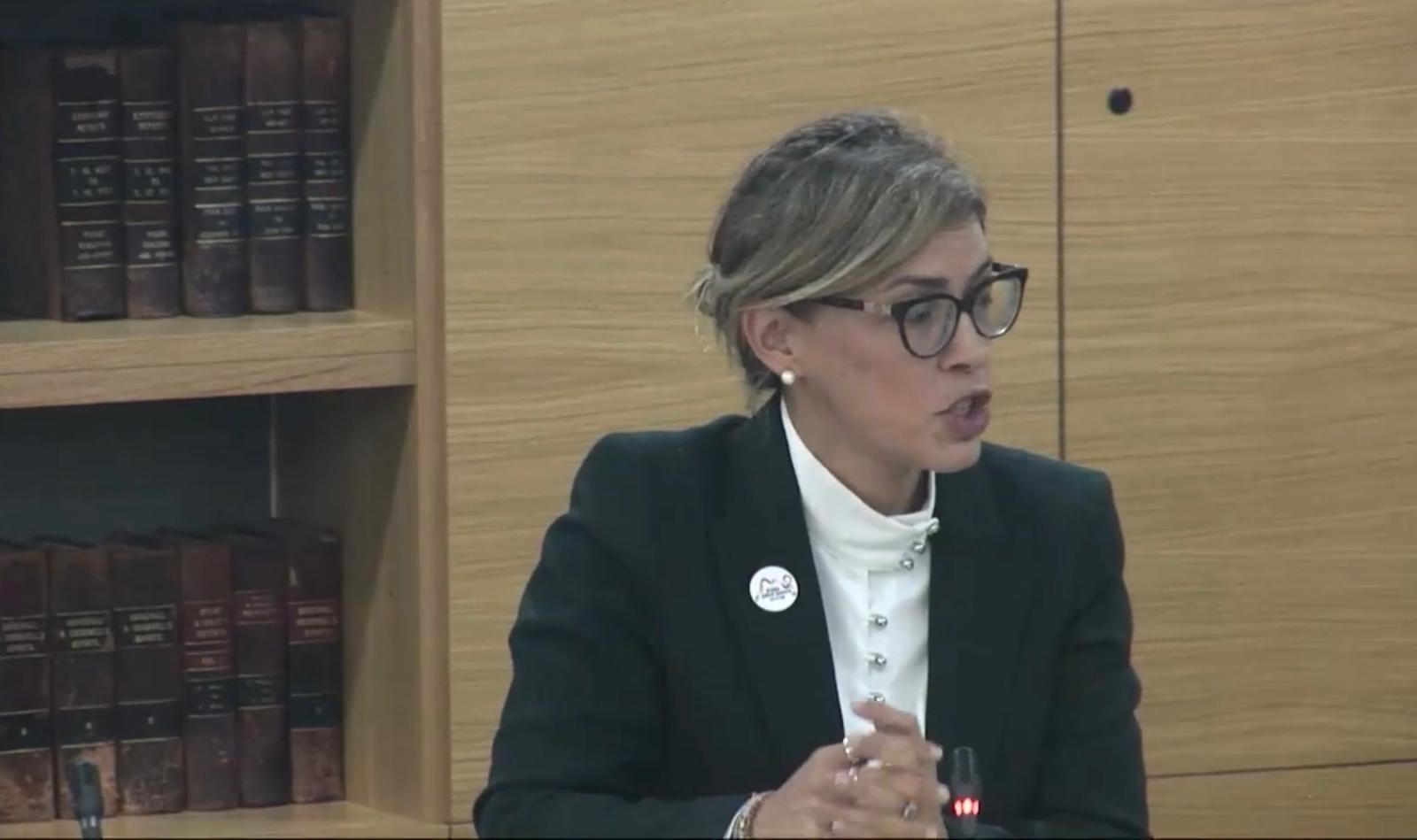
Mrs Arias-Vasquez said payments under the transaction tax deduction rules could only be made after businesses completed their first three months of trading under the new arrangements.
Businesses would compare the transaction tax paid during that period with what they would previously have paid in import duty, with payments calculated on that basis.
“Therefore, until the first 3 months have concluded, we cannot make any payments,” she said.
GSD MP Craig Sacarello asked about other measures announced in the minister’s Budget address, including the Business Impact Adaptation and Modernisation Support Scheme and business rates relief.
He said the minister had promised to publish details of rates relief within two weeks, but nearly three months later he had neither found nor heard of their publication.
“So perhaps [she] could refer to some of the other schemes such as rates relief and explain why these weren't delivered within two weeks as she promised in her Budget speech,” he said.
Mrs Arias-Vasquez replied that quarterly rates invoices being sent out on Friday and would reflect the measures set out in her Budget speech.
She said the transaction tax deduction rules had been published two weeks earlier and had said at the time of the Budget that separate block exemption regulations relating to business support would be published during September or October.
Those measures also involved a retrospective assessment and would only become relevant after the initial three-month period.
Asked how many businesses had benefited or were expected to apply, the minister said the Government would only have that information once businesses submitted their figures after the period ended.
The exchange also touched on how the Government was assessing the treaty’s impact on businesses.
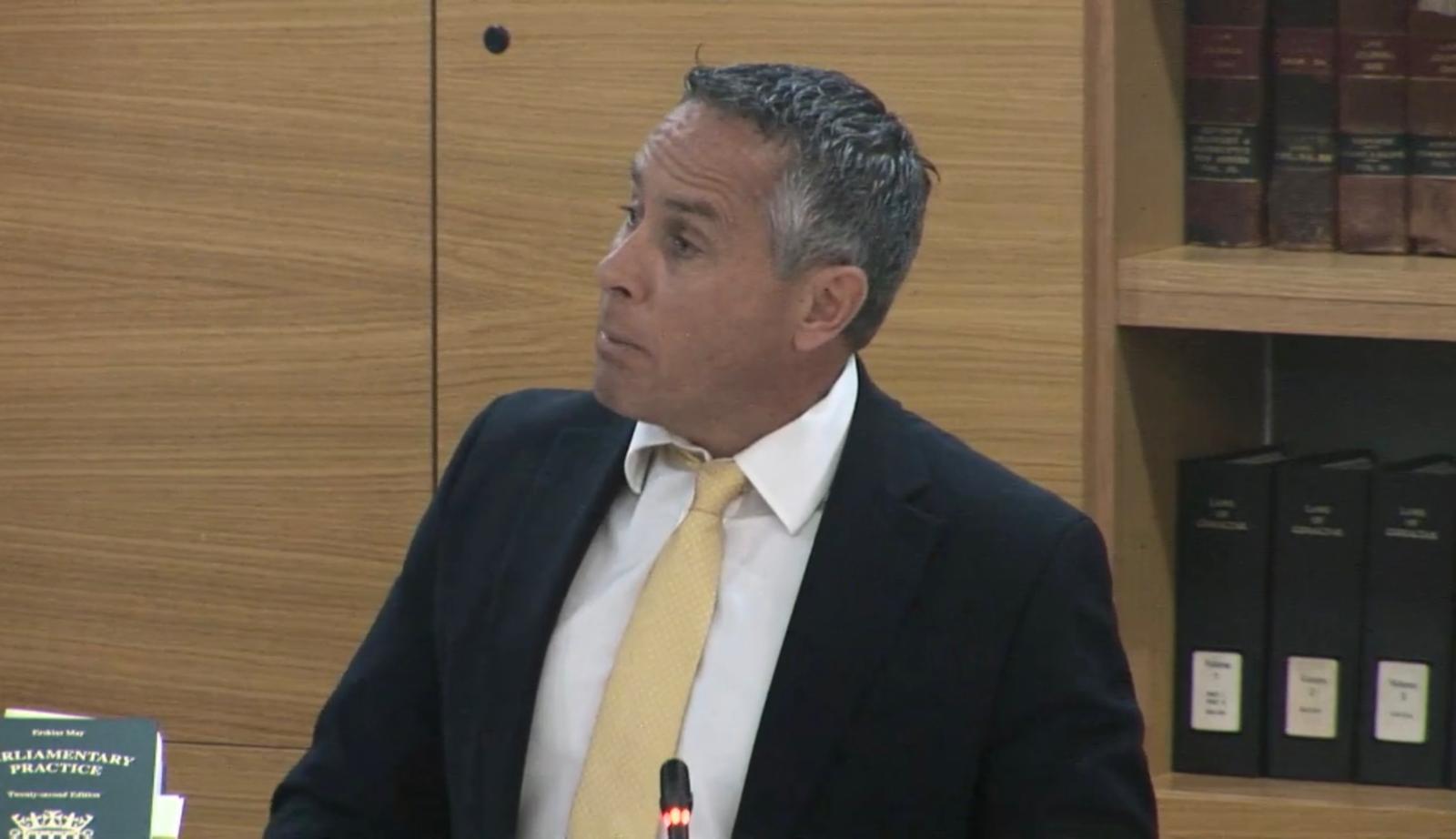
Mr Sacarello questioned whether higher tax revenue could simply reflect increased taxation, arguing that profitability and sustainability would provide a better measure of business performance.
Mrs Arias-Vasquez said an earlier Government statement on the treaty impact on business had referred to businesses reporting higher sales during the first two weeks of the treaty’s application, rather than drawing conclusions from transaction tax receipts.
She said traders reported increased footfall and sales during the summer but needed longer to assess the overall effect.
“Most traders on Main Street actually say that they need an entire year before they can properly assess what the impact of the treaty is,” she said.


