


135 days across Japan and a lesson in the kindness of strangers


Benedict Vasquez walked the length of Japan in 135 days, raising over £10,000 for the British Red Cross.
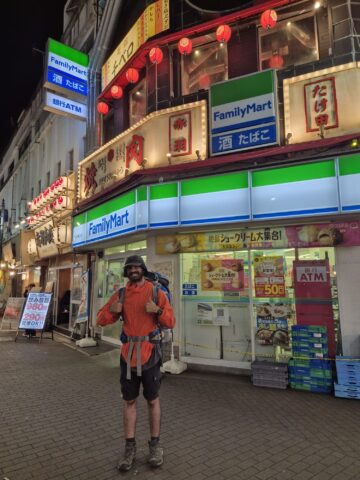
Starting in March, Mr Vasquez hiked from the southernmost point in Kagoshima and finished at the northernmost point in Hokkaido, a distance of 3,200kms, ending his journey exhausted but overwhelmed with gratitude for the people who had supported him along the way.
At the finish, he celebrated with champagne and finally threw his worn-out shoes, although the isolated finish line made the moment feel strangely anticlimactic.
“I remember thinking 'where's my round of applause?' as I staggered my last few metres to get there,” he told the Chronicle.
But, upon finishing, he “was filled with an immense gratitude.”
“In reality, there's a lot that could have gone wrong or stopped me and I feel as though I got very lucky,” he said.
“Very lucky with everyone who housed me, brought me food, encouraged me along the way.”
“All these little things that make the walk easier and I might not have had the strength to make it to the end without them.”
On that final day, he carried the bottle of champagne in his bag to celebrate, and the thought of popping the cork pushed him through those final kilometres.
“I'd spend hours exhausted, imagining it, and the thought of it kept me going,” he said.
“It was the first thing I did when I finally made it.”
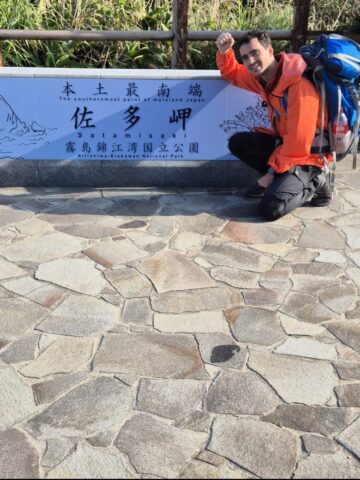
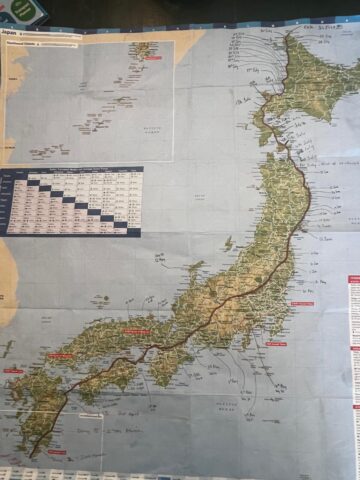
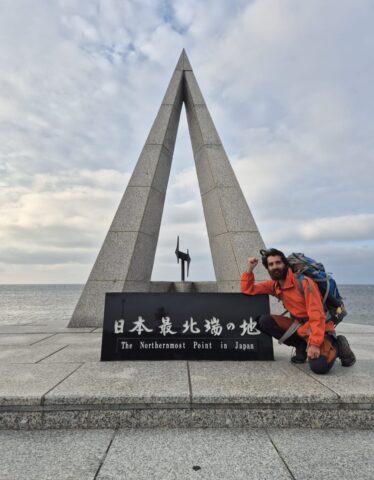
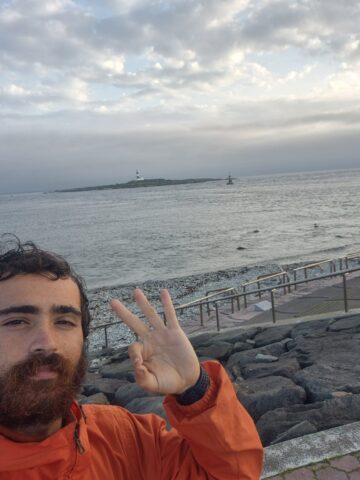
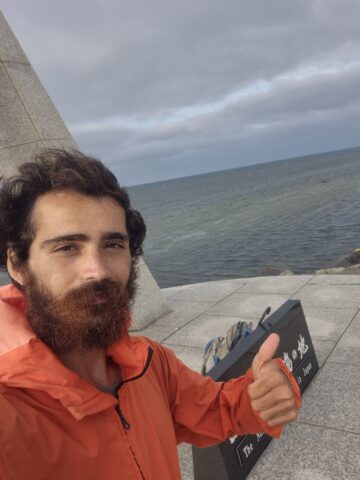
At Hokkaido, he sat for hours recalling the epic adventure he had just been on. However, he also quickly realised that it was dark and he was in the middle of nowhere and he had backtrack the 25km he had done that day to return to the nearest village.
The ending, he said, was “more bittersweet that I could have imagined. 'I've walked the entirety of Japan' had a sad ring to it.”
While he fully acknowledged that it was an accomplishment, it was also the reality that there would be no more walking to be done, an adventure that he had come to enjoy now left him with the sadness of it being over.
“This lifestyle I'd lived for 135 days, and had come to feel proud of, just abruptly unceremoniously ended,” he said.
Returning home and resuming normal responsibilities feels more daunting than beginning the adventure for Mr Vasquez who said: “I was naive when I started.”
“I didn't know what I had signed up for and there's a lot of excitement and novelty pushing you through it.”
“But the end is different, you have an idea of what you're going back to and it's intimidating after so much time alone to think of seeing everyone after so long and picking up on the responsibilities you left behind.”
Physically, he was completely depleted after walking every day for around a month without a rest day, describing the feeling as “a car with too much mileage, as if my parts had done all they could and were now just slowly falling apart”.
He was sleeping 11 hours a night, struggling with an extreme fatigue where everything “seemed mentally taxing”.
His feet were raw and damaged too. They “hurt to touch, there wasn't even enough skin to form blisters by the end,” he said.
His shoes and tent were also falling apart, with the latter having tears big enough to allow drafts at night.
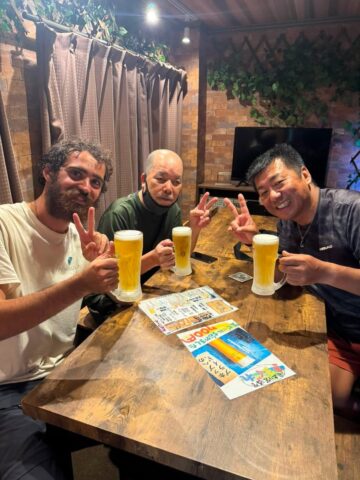
One of his strongest memories of his trek was the extraordinary kindness of the Japanese people. He recalls a woman who saw him camping in the rain, went home to cook meals for him and returned with food and had allergen information she had Google translated for him, along with her contact details.
“When I'd ask if such hospitality was normal, the word they'd always bring up was omotenashi, which is the Japanese concept of wholehearted hospitality, to anticipate and fulfill a guest’s needs before they are even spoken and to expect nothing in return,” he said.
“An idea that there are no menial tasks if it ensures comfort for someone.”
“To offer yourself this way solely because it is how you, in turn, would want to be treated.”
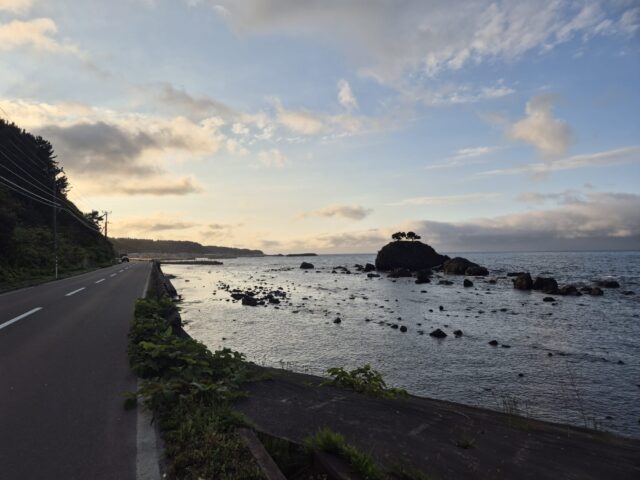
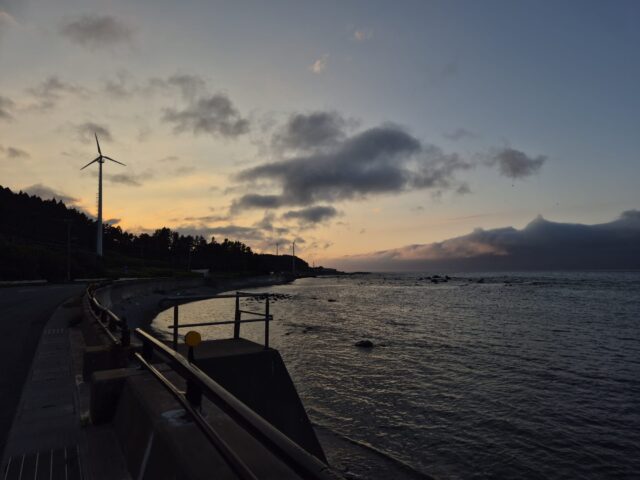
“As I walked the length of Japan the scenery changed, the local dialect changed, the seasons changed, the weather changed but the Japanese hospitality was a constant throughout.”
Be it from other customers getting him water when he walking into restaurants as they tried to help him understand the menu or people who would help him on public transport, omotenashi “permeated every aspect of my time in Japan.”
The journey also changed his outlook on life. He noted that he feels as though there's a pessimism that's pervaded how we view and discuss current affairs and the state of the world.
“I've been incredibly privileged and lucky to be able take a step back from it all and remind myself that people are inherently nice and that there's a lot of beauty if you go out and look for it,” he said.
Most Read
Spain introduces new safety rules for cyclists, motorcyclists and drivers from today
Thu 1st Oct, 2026
Balaena and Govt explore specialist maritime apprenticeships as UK drives ‘new era of industrialisation’
Thu 1st Oct, 2026

Today's Paper
16th August 2026
Read our latest newspaper by downloading our app from the link below.


